



Planting and Growing cut-leaved coneflower

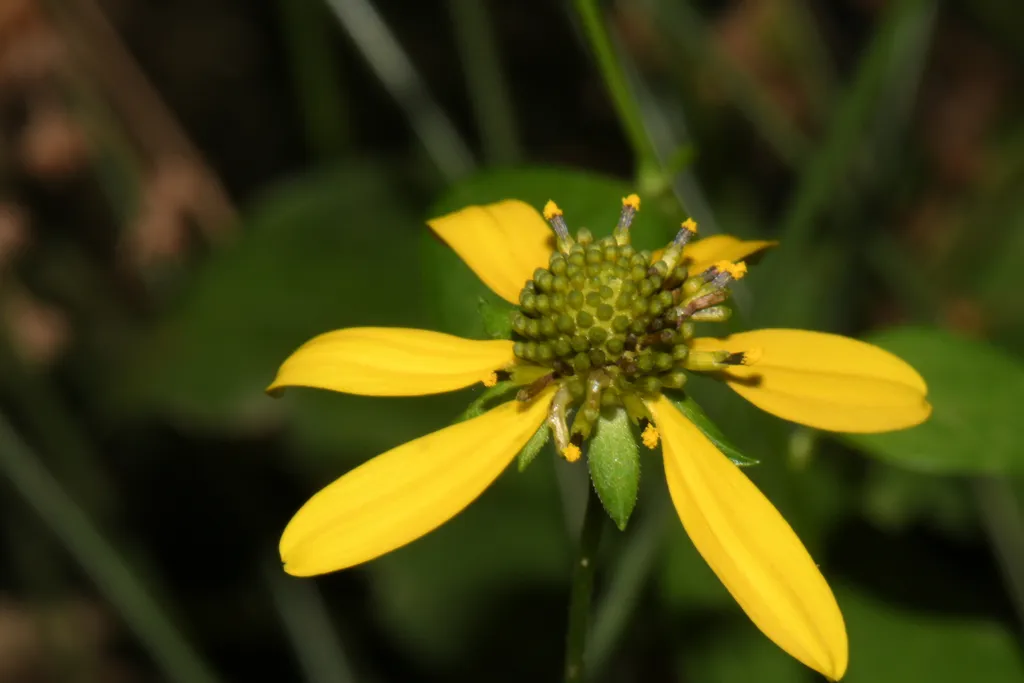
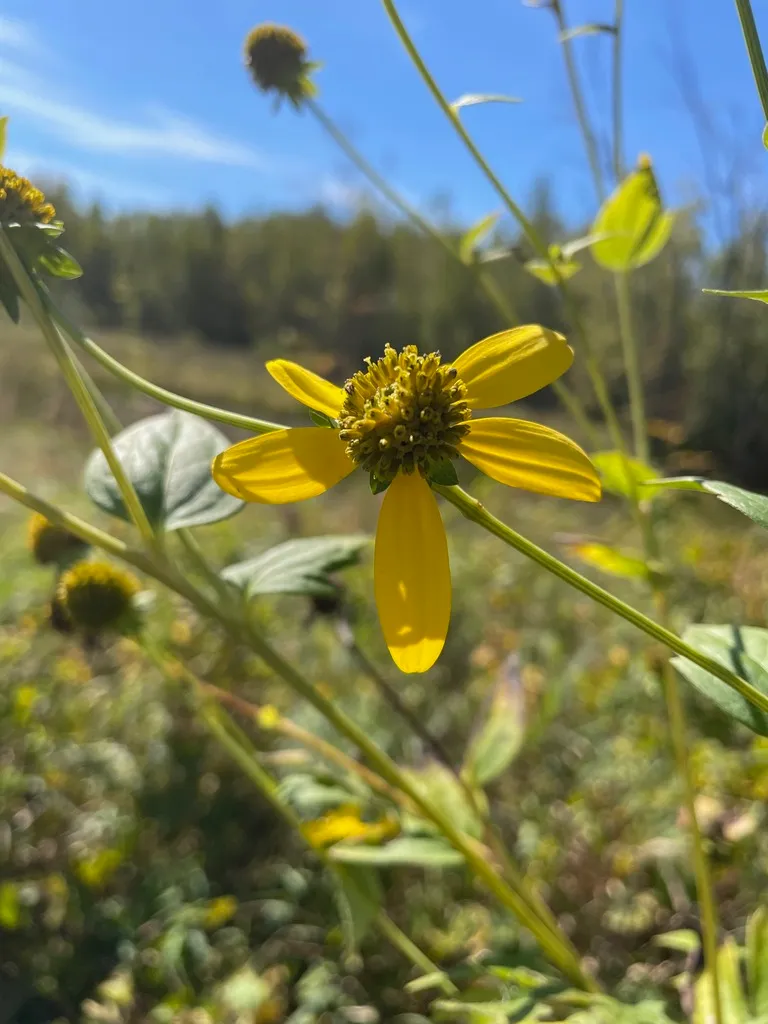
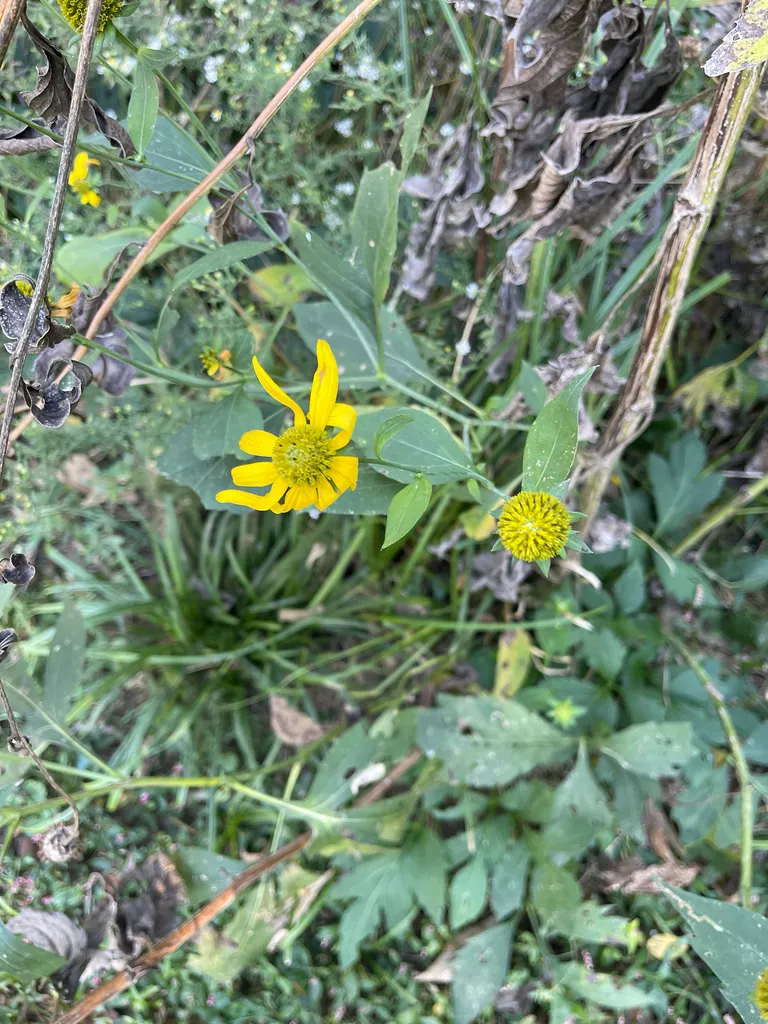
| Care difficulty | 1 / 5 |
|---|---|
| Watering schedule | Moderate regular watering, avoid prolonged drought and stagnant waterlogging |
| Sunlight requirements | Full sun |
| Ideal temperature | 15 – 25 °C |
| Soil type | Clay · Loam |
| Soil pH | Acid · Alkaline · Neutral |
| Soil moisture | Moist but well drained |
| Fertilizing | Balanced perennial feed every four weeks spring through summer growth |
| Toxicity | Information to be completed |
How to Water cut-leaved coneflower?
Thriving in its native moist environments, cutleaf coneflower exhibits a preference for consistent moisture, aligning with its origins in regions of high humidity. This species is moderately drought-tolerant but flourishes when the soil remains evenly damp. Watering every week supports its lush growth and vibrant display. As an herbaceous perennial commonly grown outdoors, cutleaf coneflower benefits from rainfall patterns that complement its watering schedule, ensuring optimal hydration during its active growing season.
Learn more →What Are the Sunlight Requirements for cut-leaved coneflower?
Cutleaf coneflower thrives best under full sun exposure, which significantly enhances its growth, health, and blooming capabilities. Although cutleaf coneflower can also tolerate partial sun, an optimal minimum of six hours of direct sunlight per day is recommended to ensure vigorous growth and vibrant flower production. Variations from these conditions, such as extensive shade, may result in stunted growth and reduced flowering. When planted outdoors, cutleaf coneflower should be positioned in areas that receive ample sunlight throughout the day, ensuring the best result for both aesthetic appeal and plant health.
Learn more →What Is the Ideal Temperature Range for cut-leaved coneflower?

Cutleaf coneflower demonstrates impressive resilience to temperature fluctuations. It can withstand cold extremes down to -25℃ (-13℉) and heat up to 38℃ (100℉). This adaptability means it can thrive in diverse climates, from frost-prone areas to hot, sunny locations. During extremely cold weather, preventive measures such as mulching can protect its roots. Overheating may cause wilting or scorched leaves, signaling the need for shading or increased watering. Recognizing these symptoms and responding promptly helps maintain the plant's health and vigor, confirming its suitability for various garden environments.
Learn more →What Soil Is Best for cut-leaved coneflower?
Cutleaf coneflower thrives in various soil types typically found in its native habitats, such as loam, clay, sand, and chalky soils. These soils range from acidic to alkaline pH (6.0-7.5), which supports optimal nutrient absorption and health. Native compositions beneficial for cutleaf coneflower include a mix of organic matter and good drainage. A recommended soil mix involves combining garden soil with organic compost in a 2:1 ratio. Ensure adequate drainage by incorporating perlite or sand. Additional amendments like balanced slow-release fertilizers can be applied in spring. Proper soil conditions prevent water-logging and promote vigorous growth.
- Soil type
- Clay · Loam
- Soil pH
- Acid · Alkaline · Neutral
What Are the Moisture Requirements for cut-leaved coneflower?
Moist but well drained
Learn more →How to Fertilize cut-leaved coneflower?

For optimal growth and flowering, fertilize cutleaf coneflower with balanced nutrition fertilizers (e.g., 10-10-10) during the growing season. Starting in spring, apply monthly, reducing frequency as summer ends. A high phosphorus formula can encourage blooming; apply sparingly to avoid nutrient overload. Adjust rates based on plant size and soil fertility, typically following label guidelines. Over-fertilizing can harm cutleaf coneflower; ensure soil is moist before application to prevent root burn. Seasonally, decrease fertilization in fall to prepare cutleaf coneflower for dormancy. Practical tips: use slow-release granules for extended feeding, and liquid fertilizers for quick uptake as needed.
Learn more →How to Prune cut-leaved coneflower?

Cutleaf coneflower, known for its tall, bright yellow flowers and dissected leaves, benefits from pruning in early to late spring. Cut back any dead stems to the base to encourage new growth. Pinch back young shoots to promote bushier growth and remove spent flowers to extend blooming. Regular pruning improves air circulation, reduces disease risk, and ensures a more vigorous plant. Always use clean, sharp tools for best results.
Learn more →How to Propagate cut-leaved coneflower?

Cutleaf coneflower is best propagated in spring through sowing. It is relatively easy to propagate, with successful signs including vigorous growth and a dense root system. No additional tips are needed for optimum propagation.
Learn more →How to Transplant cut-leaved coneflower?
For successful transplanting of cutleaf coneflower, the prime seasons are early to mid-spring and mid to late fall, when the plant is less active. Choose a location with well-draining soil and partial to full sunlight. Gently loosen the roots before transplanting to encourage growth.
Learn more →How to Plant cut-leaved coneflower?
Indoors-potted: Thriving in outdoor sunshine, cutleaf coneflower adapts indoors with ample light and careful watering to avoid soggy soil. Outdoors-potted: As a sun-lover, cutleaf coneflower demands well-draining pots that reflect its native habitat for robust growth. Outdoors-in the ground: Cutleaf coneflower, suited for spacious gardens, requires sufficient space to accommodate its expansive root system.
Learn more →How to Repot cut-leaved coneflower?
Needs excellent drainage in pots.
Learn more →Common Pests & Diseases

Diseases
Generally trouble-free
Pests
Generally trouble-free
Explore the plant health library →