



Planting and Growing tutsan

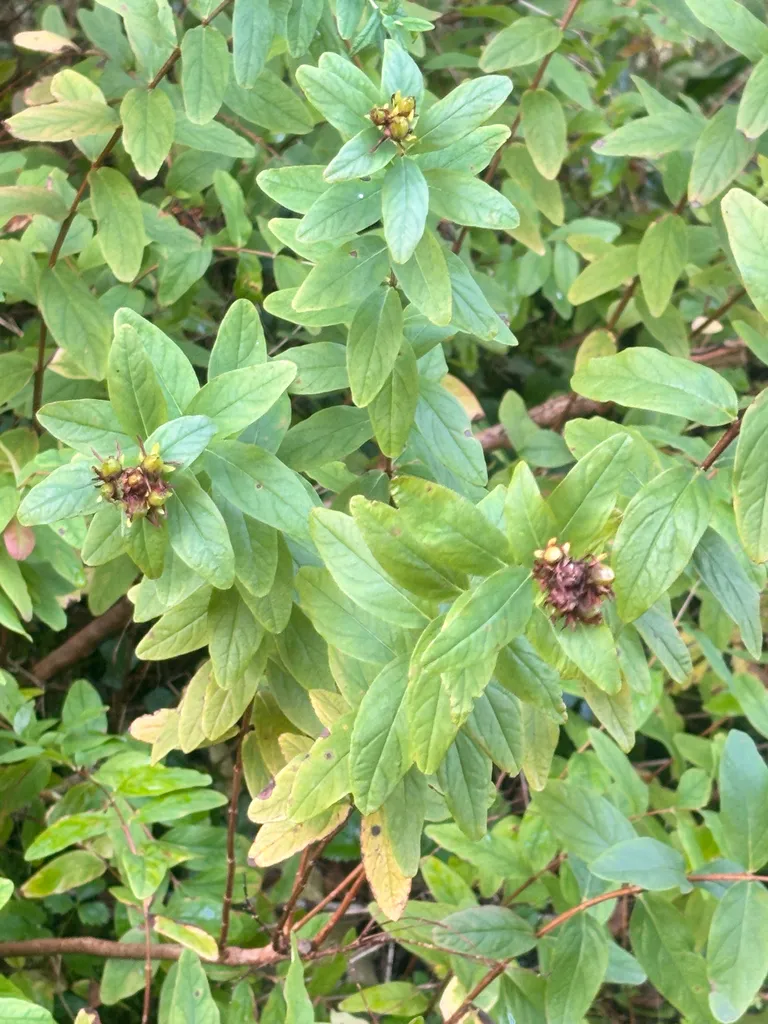
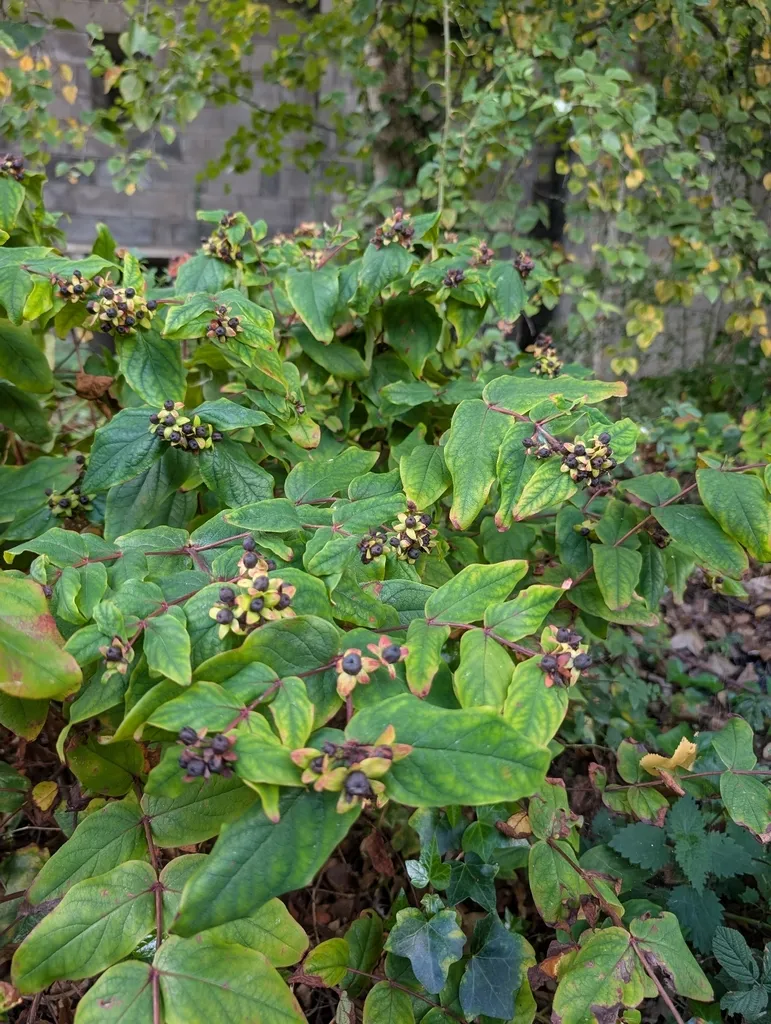
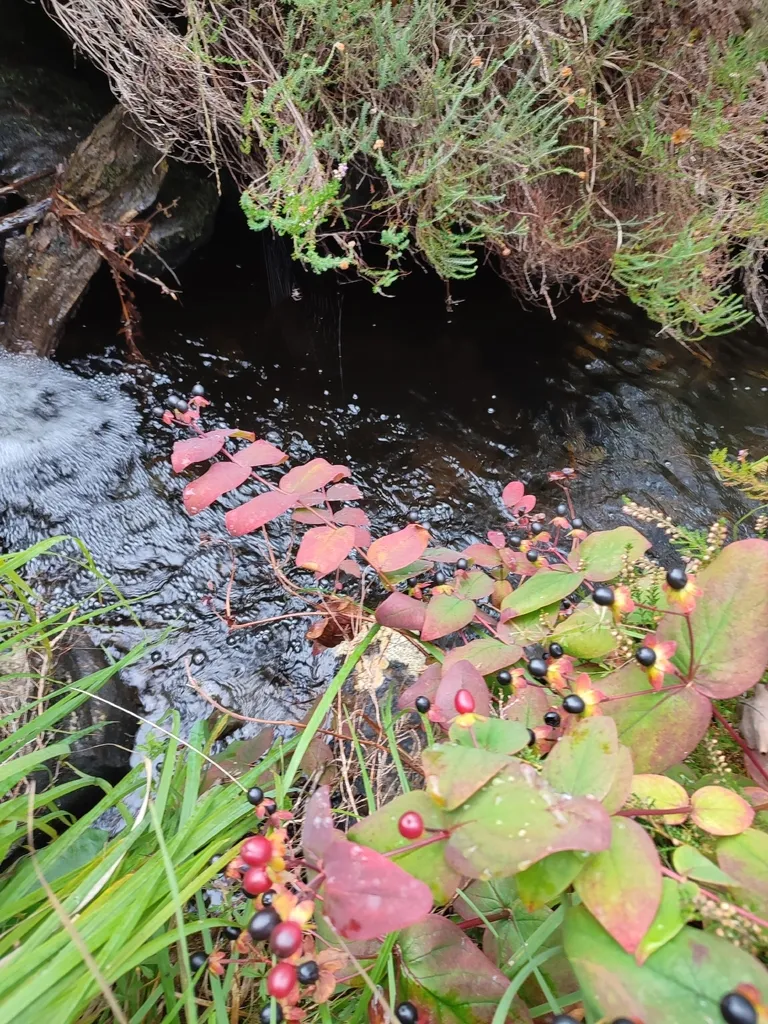
| Care difficulty | 2 / 5 |
|---|---|
| Watering schedule | Moderate regular watering, allowing brief slight drying between soakings |
| Sunlight requirements | Full sun · Partial shade |
| Ideal temperature | 15 – 25 °C |
| Soil type | Chalk · Clay · Loam · Sand |
| Soil pH | Acid · Alkaline · Neutral |
| Soil moisture | Moist but well drained · Well drained |
| Fertilizing | Balanced perennial feed every four weeks from spring through summer |
| Toxicity | Fruit are ornamental - not to be eaten. Wear gloves and other protective equipment when handling |
How to Water tutsan?
Originating from damp woodlands, tutsan thrives in moist conditions, exhibiting a preference for consistent soil moisture without being waterlogged. It has moderate drought tolerance but flourishes with higher humidity levels. Watering should be adjusted to once every 1-2 weeks, ensuring the soil remains evenly moist. Typically grown outdoors due to its need for a natural environment, tutsan benefits greatly from mulching which helps retain soil moisture and mimics its native habitat's leaf litter.
Learn more →What Are the Sunlight Requirements for tutsan?
Tutsan thrives best in full sun, benefiting from direct sunlight for optimal growth and flowering. It adapts well, however, to partial sun conditions, which may slightly reduce its growth rate and flowering density, but can enhance leaf color vibrancy. In excessively shaded environments, tutsan might struggle, leading to spindly growth and fewer flowers. Outdoors, tutsan is best planted in a position that ensures it receives adequate sunlight throughout the day to maintain its health and vigorous blooming capabilities.
Learn more →What Is the Ideal Temperature Range for tutsan?

Tutsan demonstrates impressive resilience to temperature variations, tolerating cold down to -20°C (-4°F) and heat up to 41°C (106°F). This adaptability makes tutsan suitable for diverse climates, although protective measures, such as mulching for cold and shading for heat, may be required during extremes. Signs of stress from cold include leaf drop and discoloration, while overheating may cause wilting and scorch. To counteract these, employ frost cloths or move to sheltered spots in freezing conditions, and ensure adequate watering and shade during intense heat. Understanding tutsan's temperature tolerance aids in ensuring its robust growth across various settings.
Learn more →What Soil Is Best for tutsan?
Tutsan prefers well-drained soils to avoid water-logging. A suitable soil mix can include equal parts garden soil, coarse sand or perlite for aeration, and compost for nutrients. Achieve proper drainage by ensuring the soil is loose and not compacted. Adding a balanced fertilizer during the growing season enhances growth. Monitor soil moisture to keep it consistently moist but not soggy.
- Soil type
- Chalk · Clay · Loam · Sand
- Soil pH
- Acid · Alkaline · Neutral
What Are the Moisture Requirements for tutsan?
Moist but well drained · Well drained
Learn more →How to Fertilize tutsan?

To maintain vigorous growth and enhance flowering, tutsan benefits from balanced nutrition fertilizers during active growth and high nitrogen formulations pre-bloom. Apply a balanced fertilizer monthly in spring and summer, with reduced frequency in autumn. Transition to high nitrogen mix early spring, encouraging healthy foliage. Use sparingly—a tablespoon per square foot is sufficient. Over-fertilization risks nutrient burn, so follow label instructions carefully. Fertilization schedules may vary; reduce in winter when growth slows. For effective feeding, water soil before and after applying fertilizers.
Learn more →How to Prune tutsan?

This semi-evergreen shrub, known for its bright yellow flowers and attractive berries, benefits from pruning in early spring. Cut back one-third of old stems to encourage new growth. Remove damaged or dead wood to improve air circulation and light penetration. Regular pruning helps maintain its shape and promotes a healthier and more vigorous plant. Always use clean, sharp tools to prevent disease.
Learn more →How to Propagate tutsan?

Tutsan can be effectively propagated using softwood cuttings. For optimal results, select healthy, non-flowering shoots in early summer. Cut a 4-6 inch section from the tip, ensuring each cutting has at least a couple of leaves. Dip the cut end into rooting hormone to enhance root development and plant in a well-draining soil mix. Maintain consistent moisture and provide a warm, indirect light environment to encourage rooting.
Learn more →How to Transplant tutsan?
For tutsan, it's ideal to transplant during mid-spring to early summer or early winter for optimal growth. Choose a location with partial shade and well-drained soil. Remember to handle the roots gently during transplanting to encourage healthy establishment of your tutsan plant.
Learn more →How to Care for tutsan in Winter?

Information to be completed
Learn more →How to Plant tutsan?
Indoors-potted: Growing tutsan indoors requires a bright spot to encourage the rich foliage and vivid berries that make this shrub standout. Outdoors-potted: Tutsan thrives in outdoor containers; rotate pots monthly for even growth and berry distribution. Outdoors-in the ground: In garden soil, tutsan naturally spreads, so provide ample space for its enthusiastic growth habit.
Learn more →How to Repot tutsan?
For tutsan, sizeable as a shrub, repotting every 2-3 years fuels robust growth. Best done in early spring to sync with the growth cycle. Select a pot 2-3 inches larger in diameter to accommodate root expansion. Post-repotting, ensure well-draining soil and moderate watering to establish new roots. Adequate care rewards with hearty growth and vibrant foliage.
Learn more →How to Harvest tutsan?

Information to be completed
Learn more →Common Pests & Diseases

Diseases
May be susceptible to a rust and honey fungus (rarely)
Pests
Generally pest-free
Explore the plant health library →The Toxicity of tutsan
Fruit are ornamental - not to be eaten. Wear gloves and other protective equipment when handling