
tutsan
Also known as: balm of the warrior's wounds; park leaves; sweet amber
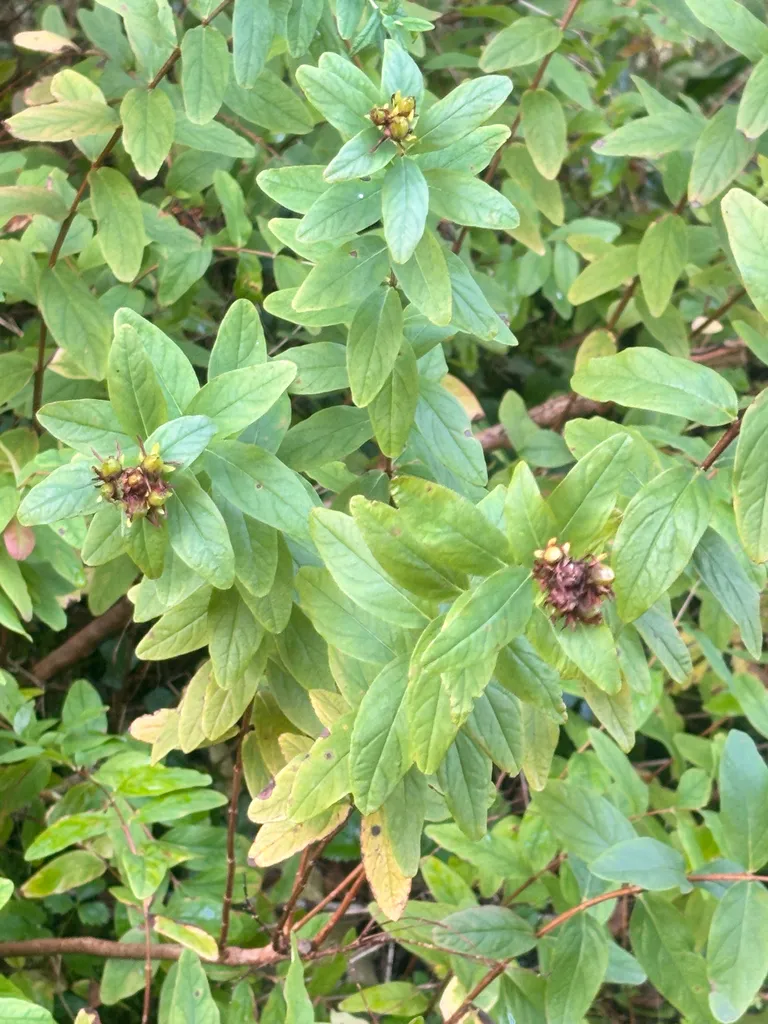
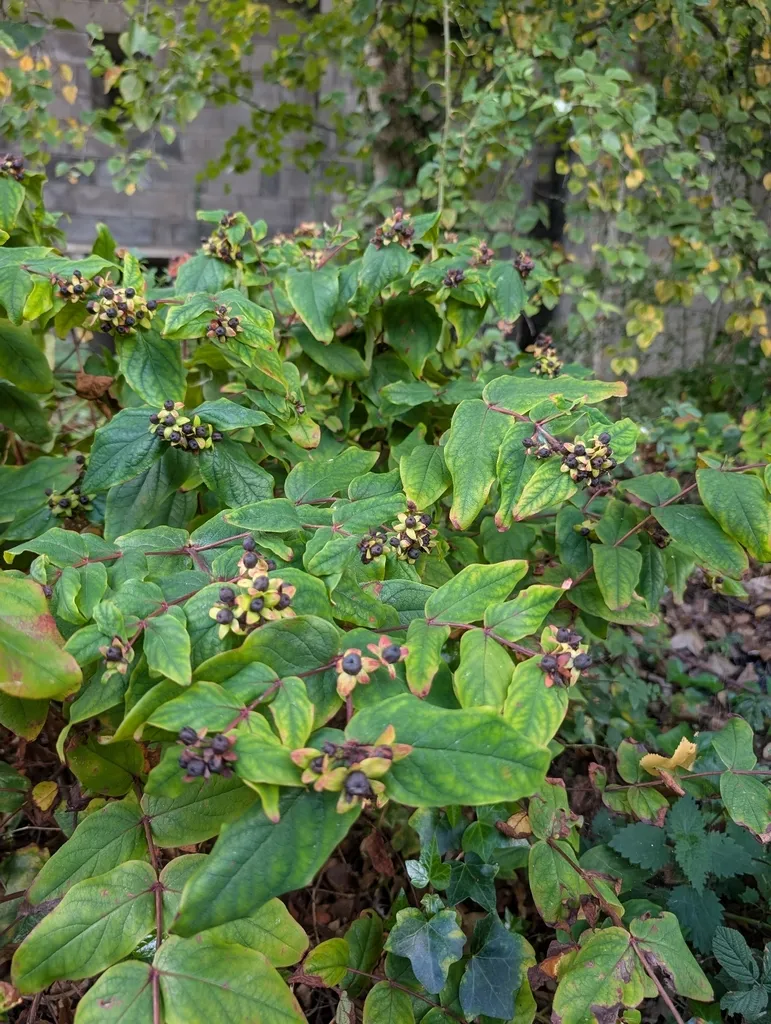
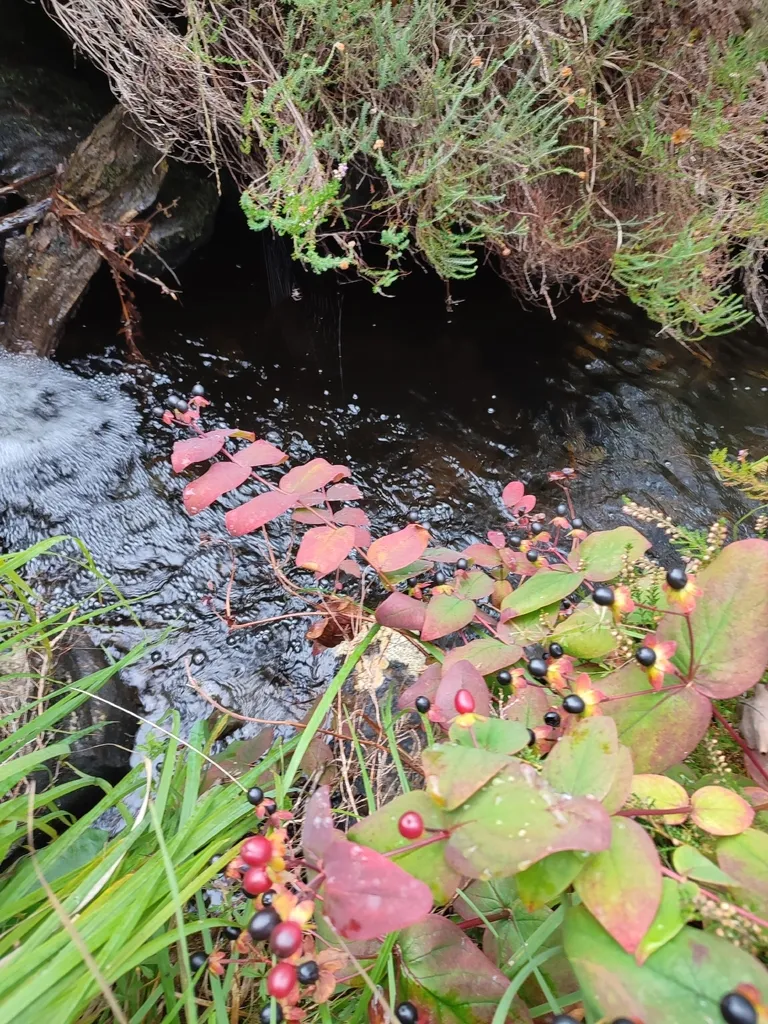
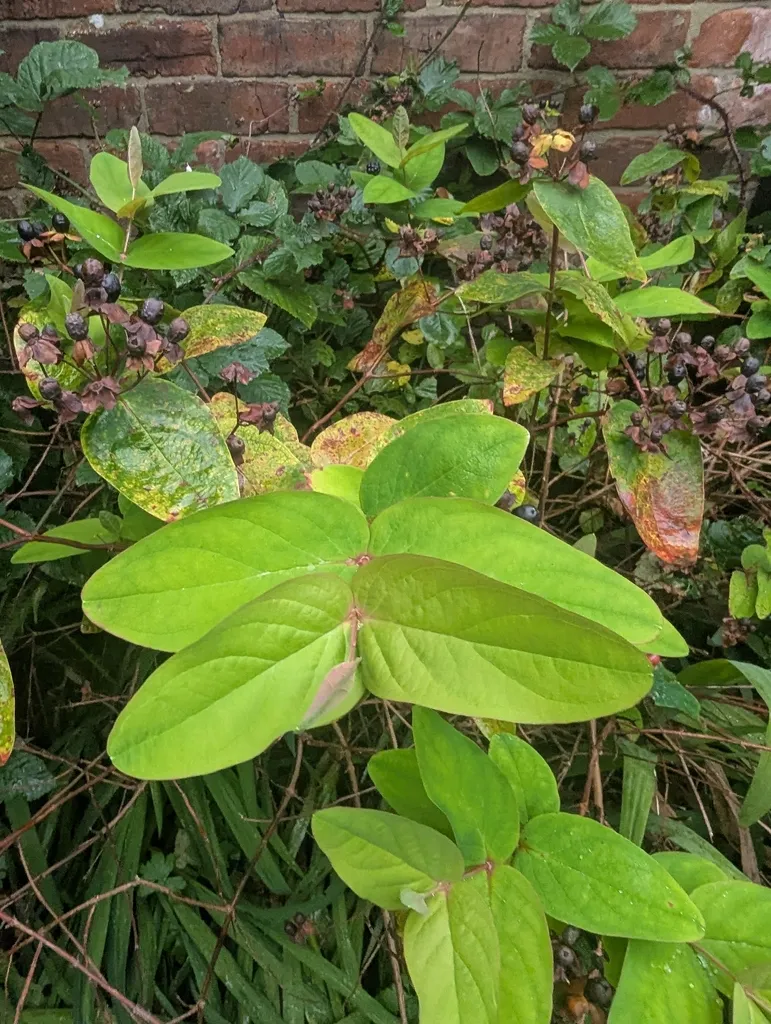
H. androsaemum is a bushy, deciduous shrub to 75cm with upright branches and paired oval leaves. Heads of up to 11 small, cupped, yellow flowers appear in midsummer, followed by long-lasting dry, berry-like fruits that mature through red to black
Scientific classification
- Species
- tutsan (Hypericum androsaemum)
- Genus
- Hypericum
- Family
- Hypericaceae
- Fruit are ornamental - not to be eaten. Wear gloves and other protective equipment when handling
- Toxicity
- Shrubs
- Plant type
- 0.5-1 metres
- Height
- 0.5-1 metres
- Spread
- Deciduous
- Foliage
- Bushy
- Habit
- Spring · Summer · Autumn · Winter
- Season of interest
- Full sun · Partial shade
- Sunlight
- 15 – 25 °C
- Ideal temperature









tutsan pictures
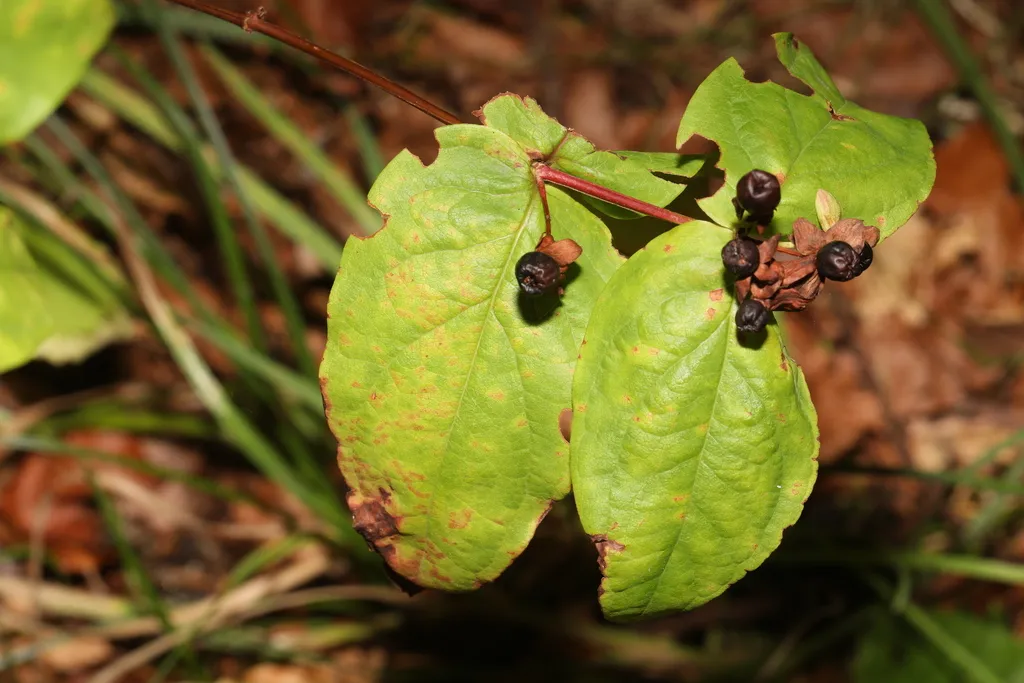
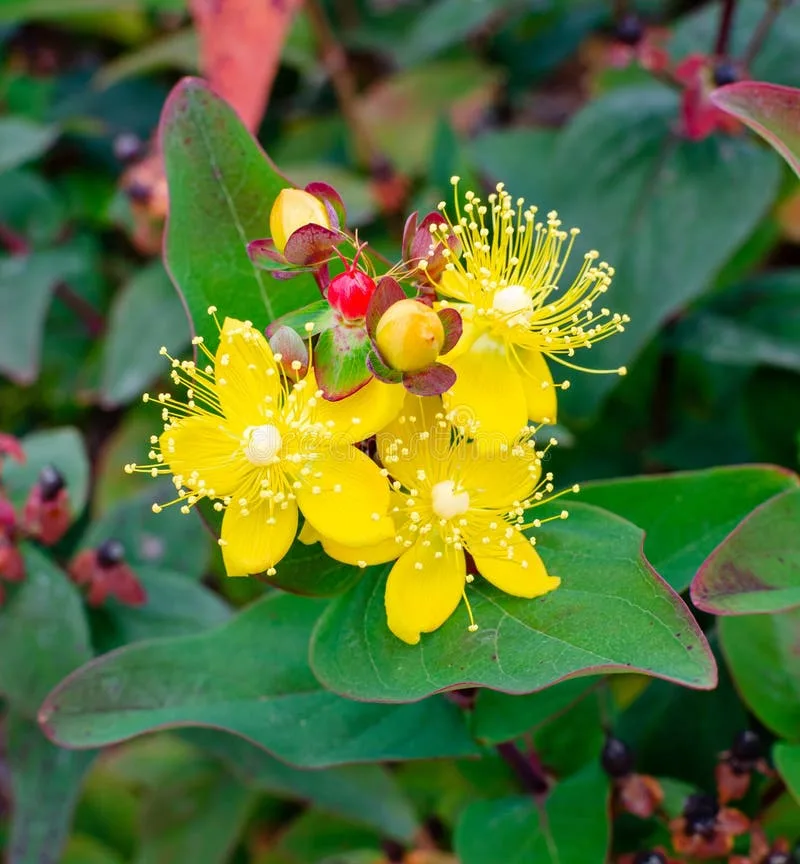
Distribution of tutsan
Distribution map
Europe, North Africa Western Asia
Information to be completed
Culture
Information to be completed
Toxicity
Fruit are ornamental - not to be eaten. Wear gloves and other protective equipment when handling
Quick identification of tutsan
Information to be completed
tutsan care guide
- Moderate regular watering, allowing brief slight drying between soakings
- Watering
- Full sun · Partial shade
- Sunlight
- 15 – 25 °C
- Ideal temperature

Watering
Moderate regular watering, allowing brief slight drying between soakings
Fertilizing
 Fertilizing
Balanced perennial feed every four weeks from spring through summer
Pruning
 Pruning
Shorten last year's flowering stems to one or two buds from the older woody framework. Remove thin, weak and dead shoots. Prune in early to mid-spring as growth resumes; avoid winter pruning that exposes new shoots to frost.
Propagation
 Propagation
Propagate by seed and semi-hardwood cuttings
Growing
 Growing
Grows easily in most soils and situations
People also ask
Information to be completed
Common pests and diseases
Diseases
May be susceptible to a rust and honey fungus (rarely)
Pests
Generally pest-free
Explore the plant health library →




