
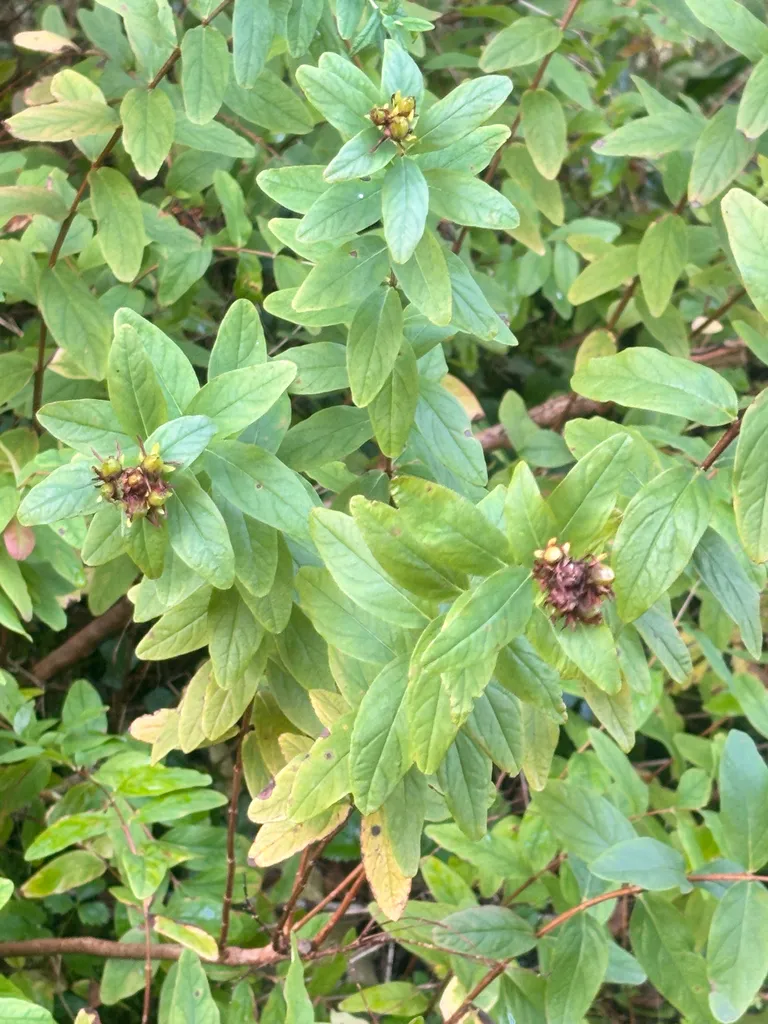



tutsan

tutsan · Soil

tutsan · Hypericum androsaemum
Also known as: balm of the warrior's wounds; park leaves; sweet amber

Tutsan is known for its resilience and low-maintenance care profile. The plant thrives in well-drained soil with regular watering but can tolerate short periods of drought. It's important to provide tutsan with full sun to partial shade for optimal growth. A special care point for tutsan is to avoid waterlogged conditions as this can lead to root rot. Seasonal pruning will help maintain its shape and encourage bushier growth.

Watering: Moderate regular watering, allowing brief slight drying between soakingsSunlight: Full sun · Partial shadeFruit are ornamental - not to be eaten. Wear gloves and other protective equipment when handling

What Soil Is Best for tutsan?

Tutsan prefers well-drained soils to avoid water-logging. A suitable soil mix can include equal parts garden soil, coarse sand or perlite for aeration, and compost for nutrients. Achieve proper drainage by ensuring the soil is loose and not compacted. Adding a balanced fertilizer during the growing season enhances growth. Monitor soil moisture to keep it consistently moist but not soggy.

Soil type
Chalk · Clay · Loam · Sand
Soil pH
Acid · Alkaline · Neutral