



Planting and Growing golden pothos


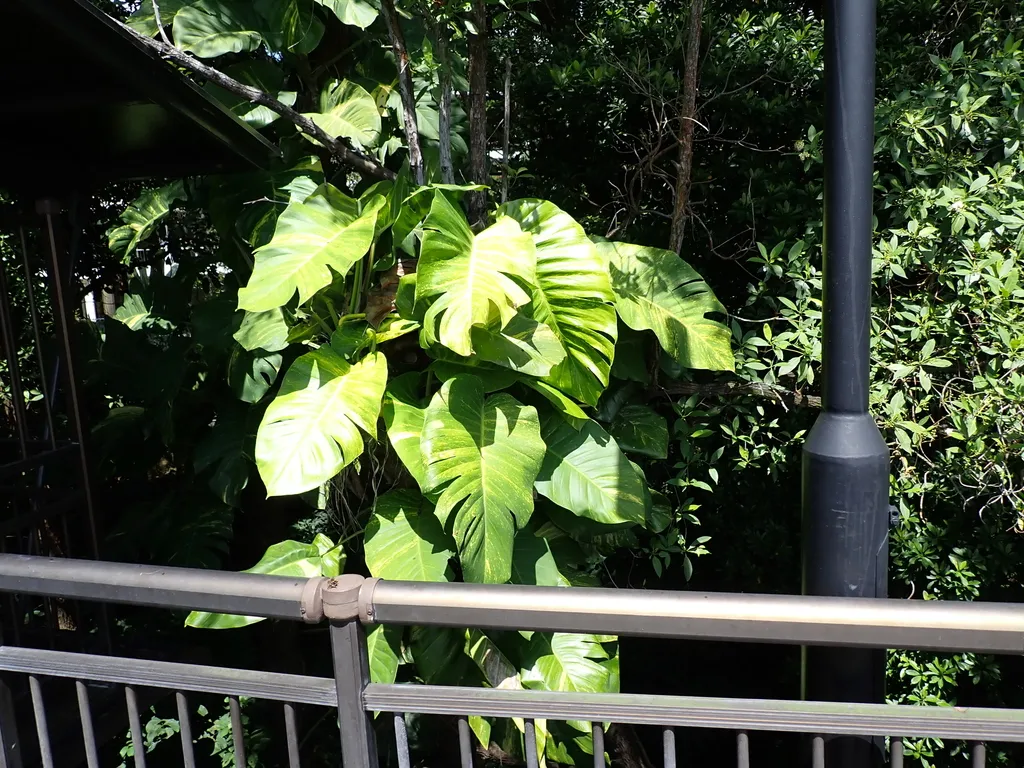
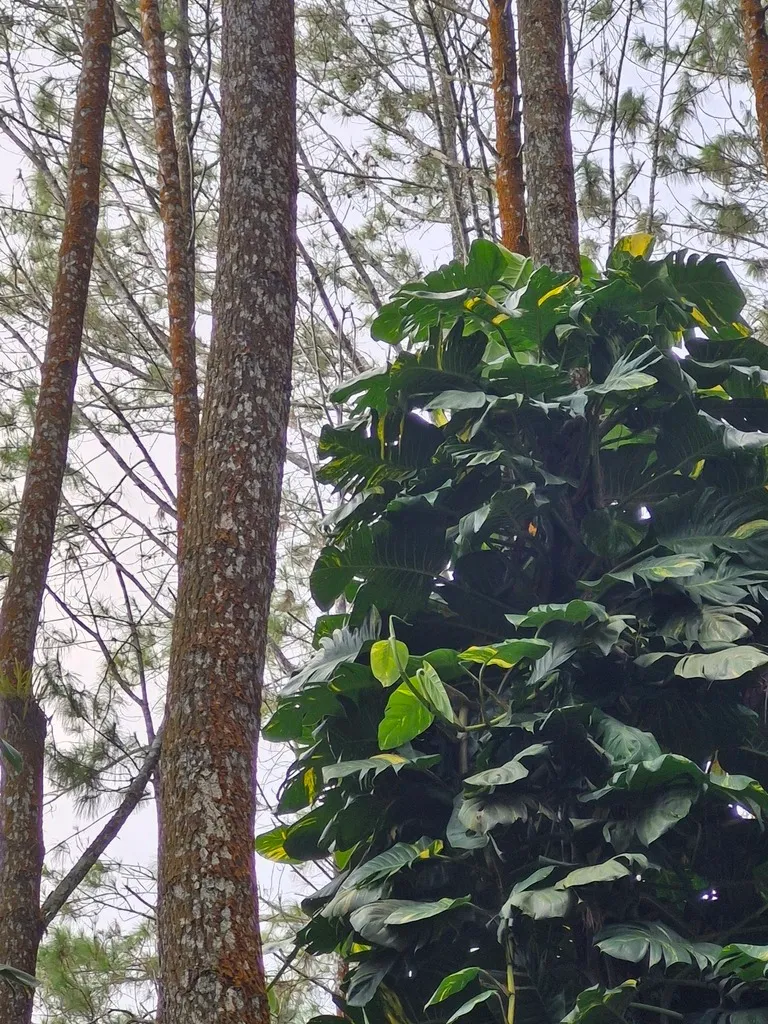
| Care difficulty | 1 / 5 |
|---|---|
| Watering schedule | Water thoroughly when soil is dry to the touch |
| Sunlight requirements | Full sun · Partial shade |
| Ideal temperature | 18 – 27 °C |
| Soil type | Chalk · Clay · Loam · Sand |
| Soil pH | Acid · Alkaline · Neutral |
| Soil moisture | Moist but well drained |
| Fertilizing | Monthly |
| Toxicity | Harmful if eaten, skin and eye irritant. Wear gloves and other protective equipment when handling] |
How to Water golden pothos?
Thriving in the high humidity of tropical forests, golden pothos has adapted to require consistent moisture without being waterlogged. This species is known for its balance in water needs, tolerating periods of dryness but preferring a regular watering schedule. It should be watered every week to maintain its lush appearance. As an evergreen plant commonly grown indoors, golden pothos benefits from occasional misting to replicate the humid conditions of its native environment.
Learn more →What Are the Sunlight Requirements for golden pothos?
Golden pothos thrives in bright, indirect light but can tolerate lower light levels. The ideal lighting is full shade with exposure to diffused sunlight, ensuring the leaves do not receive direct sun rays that could scorch them. While golden pothos can adapt to partial sun, its growth may be slower, and the variegation in its leaves might become less pronounced. When grown indoors, golden pothos should be placed near a window with filtered light. If positioned outdoors, it should be in a location where it is protected from direct sunlight to maintain optimal health and appearance.
Learn more →What Is the Ideal Temperature Range for golden pothos?

Golden pothos is noteworthy for its moderate tolerance to temperature variations, enduring cold down to 5℃ (41℉) and heat up to 45℃ (113℉). This resilience impacts care, requiring protection from frost and extreme heat. Signs of cold stress include leaf yellowing and wilting, while overheating may cause leaf burn and wilting. To mitigate temperature extremes, insulate the plant in winter and ensure adequate shade and hydration during hot weather.
Learn more →What Soil Is Best for golden pothos?
Golden pothos thrives with well-draining soil to prevent root rot. A suitable soil mix includes one-part potting mix combined with one-part perlite or coarse sand to enhance aeration. Incorporate a slow-release fertilizer twice a year for sustained nutrients. In absence of perlite, pumice can be substituted. Ensure pots have drainage holes to support the recommended soil mix's function.
- Soil type
- Chalk · Clay · Loam · Sand
- Soil pH
- Acid · Alkaline · Neutral
What Are the Moisture Requirements for golden pothos?
Moist but well drained
Learn more →How to Fertilize golden pothos?

Fertilize golden pothos every 4-6 weeks during active growth phases, primarily spring and summer, using a balanced, high-nitrogen liquid fertilizer diluted to half the recommended strength. This promotes robust growth and lush foliage. In fall and winter, reduce to once every 2-3 months as growth slows. Over-fertilizing can damage golden pothos; signs include brown leaf tips. Apply fertilizers to moist soil to prevent root burn. Skip feeding when golden pothos is dormant or in poor health until recovery.
Learn more →How to Prune golden pothos?

Golden pothos is a hardy, trailing plant known for its attractive, heart-shaped leaves. Prune in early to late spring to promote fuller growth and remove leggy or damaged vines. Cut just above leaf nodes using clean, sharp scissors. Regular pruning helps in managing size and encouraging denser foliage. It's also beneficial for overall plant health, enhancing aesthetics and preventing pest infestations. Consistent care will keep golden pothos vibrant and thriving.
Learn more →How to Propagate golden pothos?

Belonging to the Araceae family, golden pothos is characterized by its ability to flourish in low-light conditions, making it a favorite among indoor plant enthusiasts. To propagate golden pothos, a stem cutting with at least one node and a few healthy leaves should be taken. Submerging the cutting in water is a common practice, which allows for visual observation of root development. Once roots have formed, the cutting can be successfully transplanted into potting soil. Propagation success is generally high due to the plant's resilient nature and adaptability to a variety of indoor environments.
Learn more →How to Transplant golden pothos?
The best time to transplant golden pothos is during mid-spring to late spring or mid-fall to late fall, as this allows the plant to establish its roots in moderate temperatures. Choose a well-lit, well-draining location for golden pothos. Gently loosen the root ball during transplant for optimum growth.
Learn more →How to Care for golden pothos in Winter?

Golden pothos's native to tropical rainforests, where it enjoys constant warmth and high humidity. Naturally, it has no winter dormancy period. However, in cooler climates, golden pothos may experience slowed growth. Indoor winter care involves providing bright, indirect light and maintaining even moisture levels. Avoid overwatering and colder drafts to ensure golden pothos flourishes throughout winter.
Learn more →How to Plant golden pothos?
Indoors-potted: Thriving indoors, golden pothos eagerly adapts to home environments. Cautiously rotate your pot for even growth without stressing the plant. Outdoors-potted: Golden pothos, when kept outdoors in pots, may require shelter from harsh conditions; move them under cover if needed for optimal health. Outdoors-in the ground: In its natural habitat, golden pothos scales trees effortlessly. When planted in the ground outside, ensure ample space for its trailing habit.
Learn more →How to Repot golden pothos?
Repot golden pothos, a vining foliage plant, annually to sustain its vigorous growth. Best done in spring, repotting aligns with its active growing period, which facilitates rapid root and leaf development. Choose a pot 2 inches larger in diameter to accommodate growth. Post-repotting, place golden pothos in indirect light and follow routine care, as it adapts easily to new environments without complex demands.
Learn more →How to Harvest golden pothos?

Golden pothos is an ornamental foliage plant. You can choose branches with more leaves and good colors, cut the branches into small sections obliquely with sharp scissors, and place them into clear water for viewing.
Learn more →Common Pests & Diseases

Diseases
Generally disease-free
Pests
Generally pest-free
Explore the plant health library →Troubleshooting
Yellowing Leaves and Leggy, Bare Stems
Yellowing on pothos can result from normal aging of the oldest leaves, overly wet potting mix, or insufficient light. Check which leaves are yellowing and how wet the mix is before changing your routine.
| What you notice | Possible explanation | What to check next |
|---|---|---|
| Only one or two oldest leaves near the soil line turn yellow while new tips grow normally | Natural leaf aging as vines lengthen | Observe whether yellowing stays limited to old basal leaves; prune bare vines back if needed to encourage fuller growth. |
| Multiple leaves yellow quickly and the potting mix stays soggy or smells musty | Excess moisture, poor drainage, or early root rot | Empty standing water from the saucer, feel 1 to 2 inches below the surface, and inspect roots for brown, mushy tissue if decline continues. |
| Lower leaves yellow and drop while stems stretch with long gaps between small leaves | Insufficient light | Check whether the plant sits far from a window and move it gradually to bright, indirect light. |
| Yellowing accompanies white cottony masses in leaf axils or hard bumps on stems | Mealybugs or scale insects | Inspect leaf undersides, petioles, and stem nodes closely before treating. |
- Remove fully yellowed leaves cleanly at the base so you can track whether new yellowing appears.
- Check potting mix moisture with your finger and wait until the top layer is approaching dryness before watering thoroughly.
- Ensure the pot has open drainage holes and never let the container sit in standing water.
- Relocate the plant to bright, indirect light and trim overly bare vines just above a node to stimulate branching.
- If roots are mushy and blackened, trim away rotted roots with clean tools and repot into fresh, well-draining potting mix.
Do not fertilize or repot a stressed pothos solely because a couple of old leaves have yellowed.
Stop home remedies and seek local horticultural advice if stem rot spreads rapidly up the main vines.
Fading Variegation or Brown, Scorched Patches
Leaf color changes on Epipremnum aureum usually point to light mismatches or mineral and temperature stress rather than infectious disease.
| What you notice | Possible explanation | What to check next |
|---|---|---|
| Cream or yellow variegation fades and new leaves emerge mostly solid green | Light level is too low to maintain variegation | Move the plant closer to an east- or west-facing window or a bright spot with filtered light. |
| Bleached, papery, or crispy brown patches appear on upper leaves facing a window | Direct sun scorch, especially through glass in summer | Check whether direct afternoon sun hits the foliage and filter the light with a sheer curtain. |
| Brown leaf tips or edges develop gradually without sun exposure | Hard tap water buildup, fertilizer salt accumulation, or cold drafts | Review your water source, feeding frequency, and proximity to heaters or cold windows. |
- Adjust placement to bright, indirect light while shielding leaves from harsh midday or afternoon direct sun.
- Keep the plant in stable indoor warmth away from cold drafts and direct radiator heat.
- Use room-temperature rainwater or filtered water if tap water is very hard, and flush the potting mix occasionally to prevent salt buildup.
- Trim only the brown dead margins if desired for appearance without cutting into healthy green tissue.
Existing scorched or brown areas will not turn green again; judge recovery by healthy new growth.
The Toxicity of golden pothos
Harmful if eaten, skin and eye irritant. Wear gloves and other protective equipment when handling]