



Planting and Growing money plant

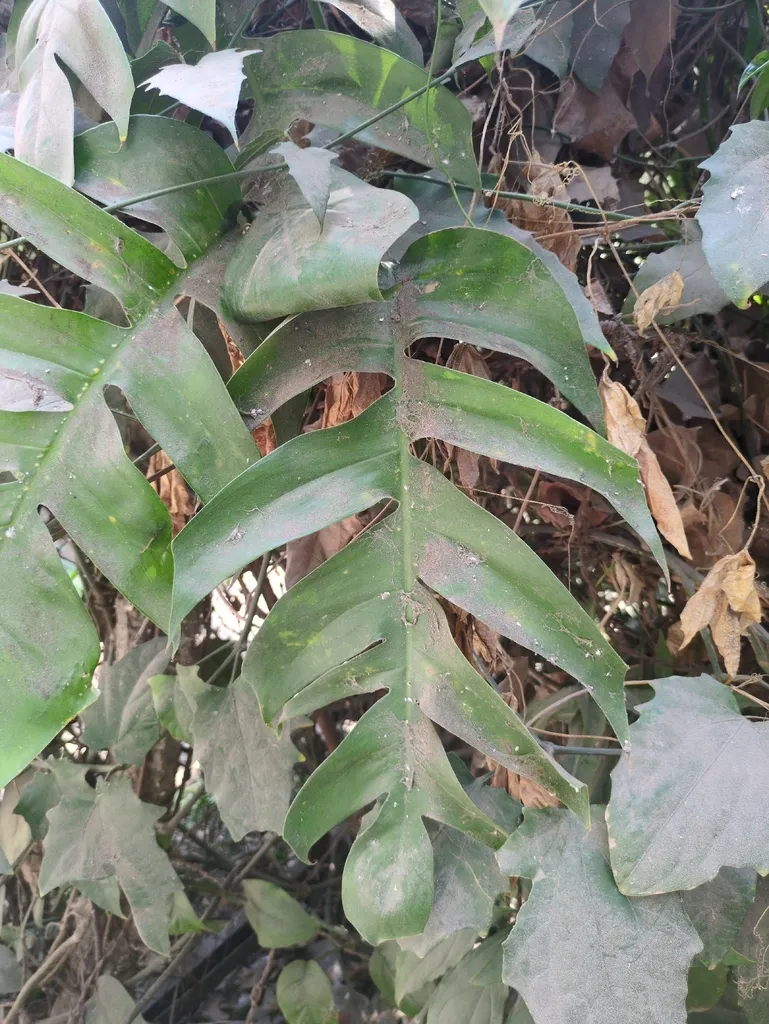
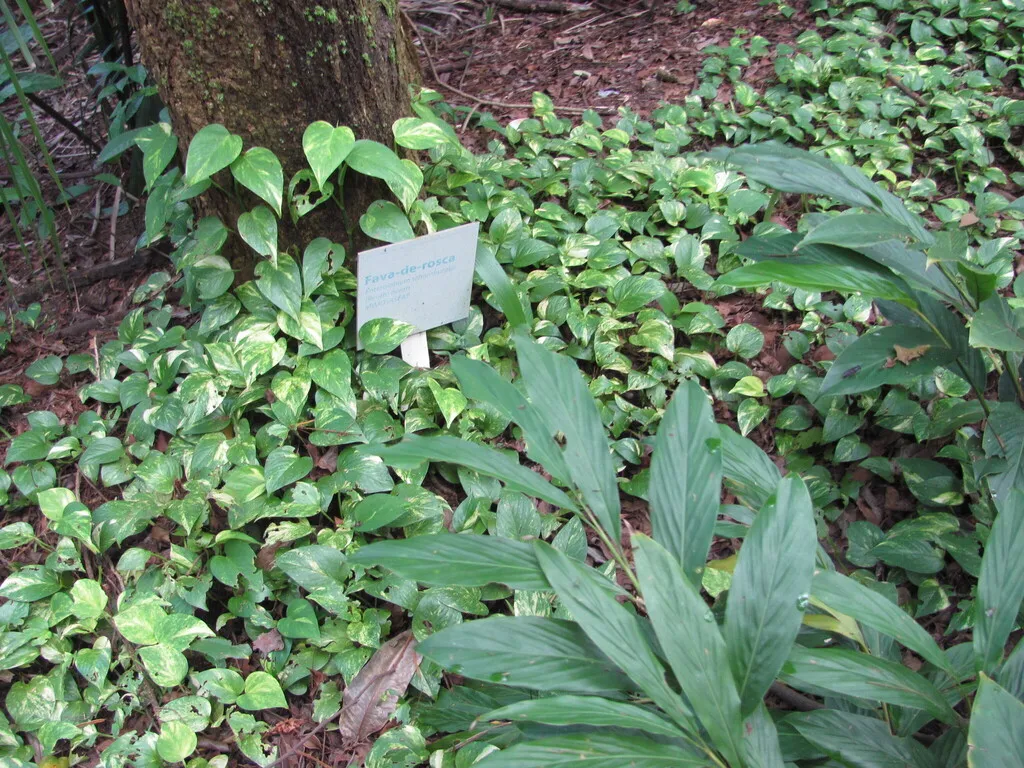
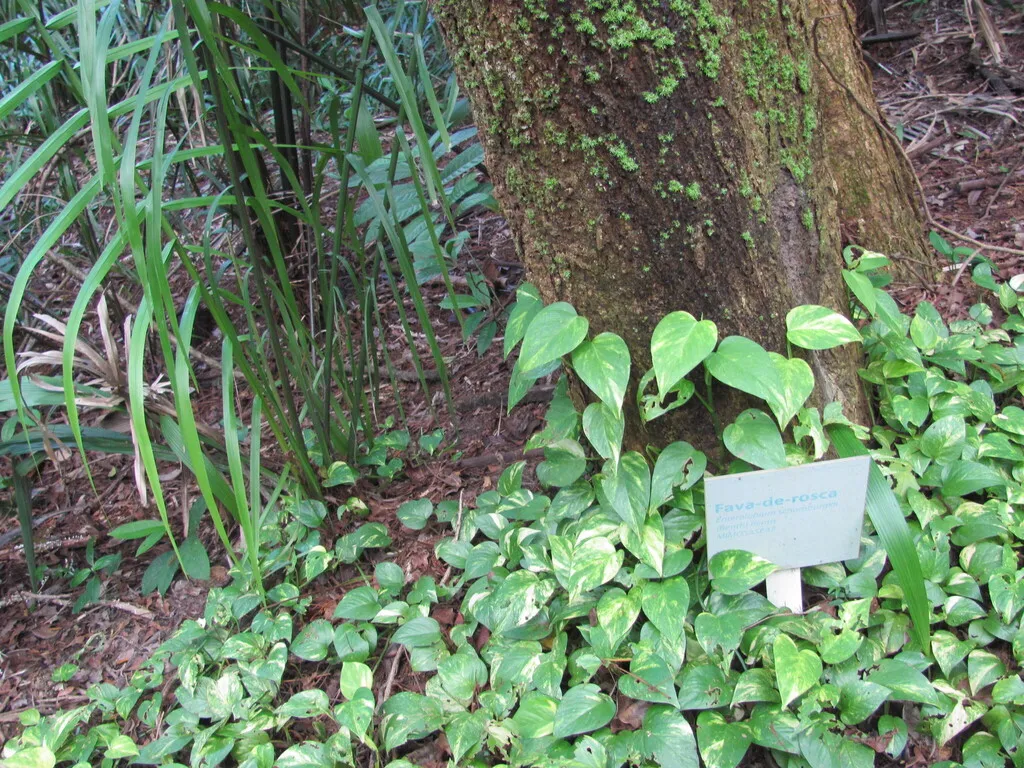
| Care difficulty | 2 / 5 |
|---|---|
| Watering schedule | Water when the top inch of soil is dry; allow some drying between waterings. |
| Sunlight requirements | Full sun · Partial shade |
| Ideal temperature | 18 – 27 °C |
| Soil type | Loam · Sand |
| Soil pH | Acid · Alkaline · Neutral |
| Soil moisture | Moist but well drained |
| Fertilizing | Apply a balanced liquid fertilizer monthly during the spring and summer. |
| Toxicity | Harmful if eaten, skin and eye irritant. Wear gloves and other protective equipment when handling] |
How to Water money plant?
Thriving in the high humidity of its tropical rainforest origins, centipede tongavine has adapted to frequent rainfall, developing a preference for consistently moist soil. This species is characterized by its moderate drought tolerance and an affinity for a humid environment. Watering should align with its natural rhythm, translating to once every week. Given that centipede tongavine is typically cultivated indoors due to its ornamental appeal, it's important to ensure that indoor growing conditions mimic the plant's native humidity levels—perhaps through regular misting—to promote healthy growth and maintain its vibrant foliage.
Learn more →What Are the Sunlight Requirements for money plant?
Centipede tongavine thrives best under partial sun conditions, which involves a mix of dappled sunlight and shade. Such balanced exposure supports vigorous growth and maintains leaf vibrancy. While centipede tongavine is adaptable to different lighting scenarios, it grows less robustly in low-light areas, potentially leading to leggy stems and smaller leaves. Conversely, too much direct sunlight can cause foliage burn. Indoors, it is ideal to place centipede tongavine near a window with filtered light. Outdoors, centipede tongavine should be positioned in a location where it can receive filtered morning light and afternoon shade, ensuring a healthy and aesthetically pleasing plant.
Learn more →What Is the Ideal Temperature Range for money plant?

Centipede tongavine demonstrates moderate resilience to temperature fluctuations, enduring a range from 5℃ (41℉) to 43℃ (109℉). This makes it somewhat cold-sensitive but capable of withstanding significant heat. Due to its sensitivity to cold, exposure to temperatures below 5℃ can result in leaf drop or stunted growth. In extreme heat, leaves may wilt or develop brown edges. To mitigate temperature stress, use barriers like frost cloths in cold weather and provide shade to avoid overheating. Its moderate tolerance suggests it is suitable for various indoor environments, needing occasional protective measures in harsh climates.
Learn more →What Soil Is Best for money plant?
Centipede tongavine thrives in well-draining soil with excellent aeration. A suitable mix can be made by combining potting mix, perlite, and coco coir or sphagnum peat moss. Ensure the soil is loose and airy to prevent water-logging. Adding slow-release fertilizer or compost will enhance growth; use these amendments during the growing season. For optimal drainage, use pots with drainage holes and consider adding a layer of gravel at the bottom.
- Soil type
- Loam · Sand
- Soil pH
- Acid · Alkaline · Neutral
What Are the Moisture Requirements for money plant?
Moist but well drained
Learn more →How to Fertilize money plant?

For centipede tongavine, utilize high-nitrogen fertilizers to bolster growth, applying monthly during spring and summer, halving the frequency in autumn and pausing in winter. Employ diluted solutions; over-fertilization can harm centipede tongavine. A balanced feed supports optimal development, fostering robust foliage rather than flowering. Seasonal adjustments prevent nutrient overload, respecting centipede tongavine's dormant periods. Novices should start with weaker concentrations, gradually increasing as they gauge centipede tongavine's response. Experienced gardeners will note centipede tongavine's vibrancy and adjust care accordingly.
Learn more →How to Prune money plant?

Centipede tongavine, known for its trailing vines and heart-shaped leaves, benefits from regular pruning to encourage bushier growth and remove damaged foliage. The best time to prune is early to late spring, aligning with the plant's active growth phase. Focus on cutting just above a leaf node to stimulate new shoots. Pruning not only enhances the plant's appearance but also improves its overall health by preventing overgrowth.
Learn more →How to Propagate money plant?

Centipede tongavine thrives when propagated through cuttings. To encourage successful rooting, select a healthy stem with multiple nodes and snip it just below a node using a sterile tool. Roots can be developed in water or directly in moist, well-draining soil, ensuring at least one node is submerged or buried. Provide bright, indirect sunlight and maintain consistent moisture without waterlogging. Root development typically occurs within a few weeks, after which the new centipede tongavine can be transplanted to a regular potting mix.
Learn more →How to Transplant money plant?
The most favorable time to transplant centipede tongavine is when nature awakens in early to mid-spring, ensuring robust growth. Locate a partially shaded spot with good drainage. Careful root handling preserves vitality during this delicate transition.
Learn more →How to Care for money plant in Winter?

Information to be completed
Learn more →How to Plant money plant?
Indoors-potted: In an indoor setting, centipede tongavine thrives with stable temperatures and can bring a touch of the tropics to your living space with its evergreen vines. Outdoors-potted: When potted outdoors, centipede tongavine appreciates a sheltered spot that mimics its native under-canopy habitat, ensuring robust growth. Outdoors-in the ground: Centipede tongavine when planted in the ground outdoors, integrates well into garden spaces but be cautious of its potential to spread vigorously.
Learn more →How to Repot money plant?
Repot centipede tongavine annually, as it's a fast-growing climber that can reach large sizes. Spring is optimal, matching its active growth phase. Upgrade pot size to accommodate its root system, ensuring proper drainage. Post-repotting, centipede tongavine thrives with indirect light and consistent watering. Its resilience makes post-repotting care straightforward. A friendly tip: give centipede tongavine a sturdy support to climb for best growth!
Learn more →How to Harvest money plant?

Centipede tongavine is an ornamental foliage plant. You can choose branches with more leaves and good colors, cut the branches into small sections obliquely with sharp scissors, and place them into clear water for viewing.
Learn more →Common Pests & Diseases

Diseases
Generally disease-free
Pests
May be susceptible to mealybugs, scale insects and glasshouse red spider mite
Explore the plant health library →The Toxicity of money plant
Harmful if eaten, skin and eye irritant. Wear gloves and other protective equipment when handling]