



Planting and Growing frangipani

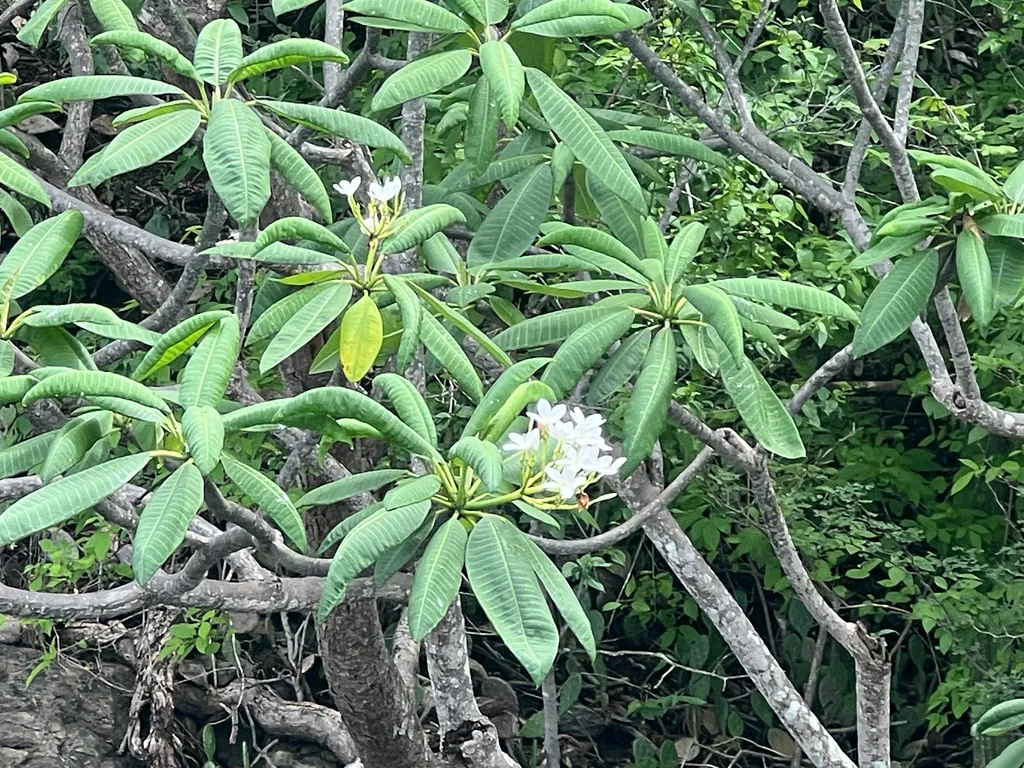
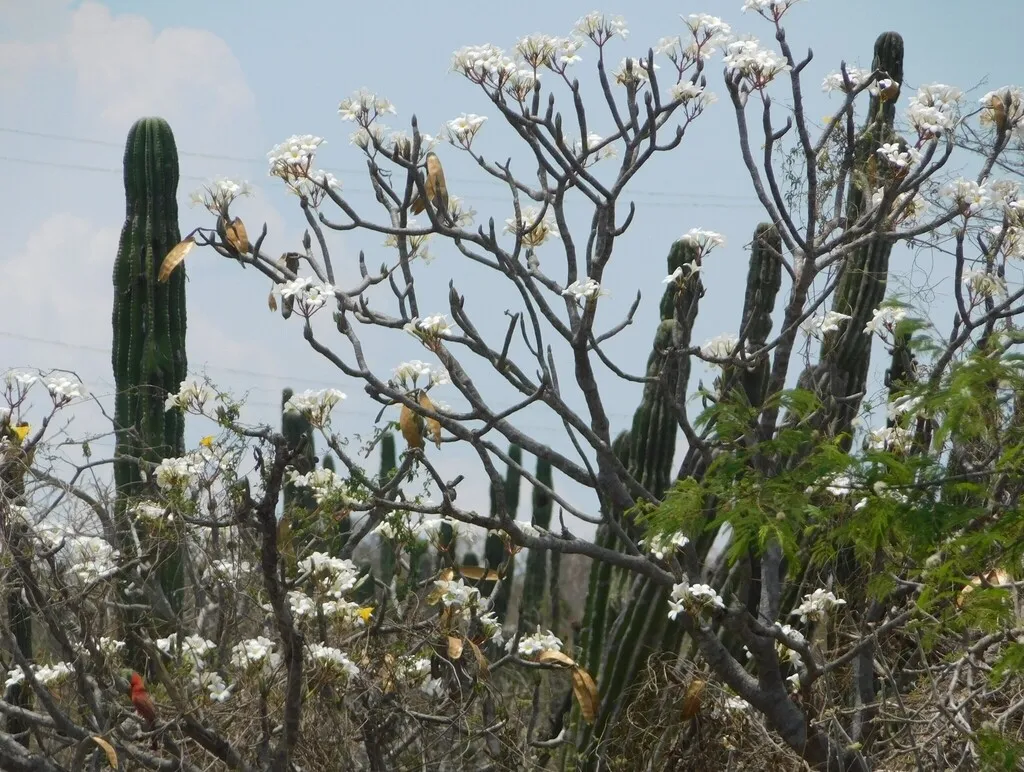
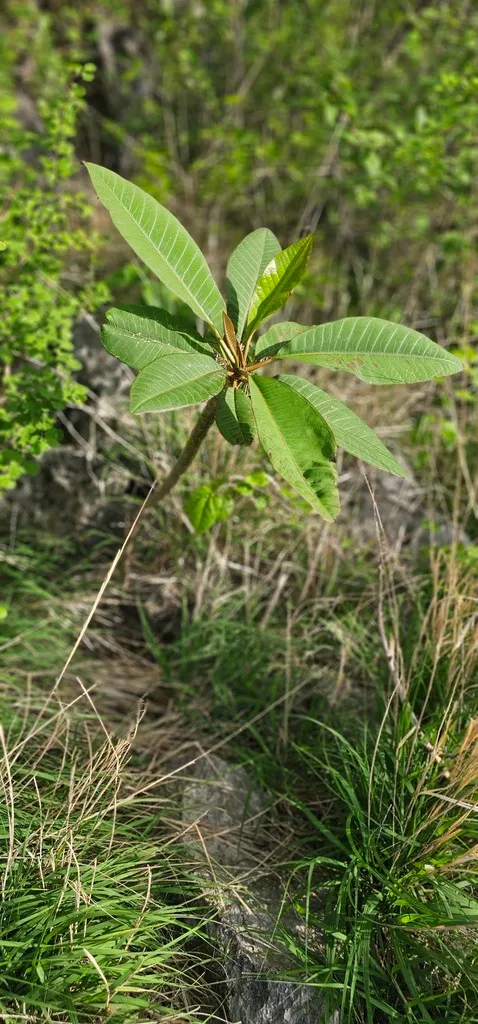
| Care difficulty | 3 / 5 |
|---|---|
| Watering schedule | Moderate regular watering, allowing brief slight drying between soakings |
| Sunlight requirements | Full sun |
| Ideal temperature | 20 – 30 °C |
| Soil type | Loam · Sand |
| Soil pH | Acid · Alkaline · Neutral |
| Soil moisture | Well drained |
| Fertilizing | Balanced perennial feed every four weeks from spring through summer |
| Toxicity | Harmful if eaten, skin/eye irritant. Wear gloves and other protective equipment when handling] |
How to Water frangipani?
Originating from tropical regions, red frangipani thrives in environments with high humidity and regular rainfall. This species exhibits a preference for moderate moisture levels and has a moderate drought tolerance. Watering should be adjusted to once every 1-2 weeks, aligning with its natural watering patterns. Typically grown outdoors due to its size and sun requirements, red frangipani benefits greatly from rainwater during its active growing season, which promotes lush flowering.
Learn more →What Are the Sunlight Requirements for frangipani?
Red frangipani flourishes in full sun conditions, thriving under direct light to enhance vigorous growth and prolific blooming. Optimal light involves prolonged daily exposure, fostering the highest-quality flowering. While red frangipani tolerates partial sun, reduced light can impede its growth and diminish bloom quantity. Adaptive traits like robust leaves help red frangipani to acclimate to intense light. Ideally, red frangipani should be planted outdoors in spots bathed in sunshine, while indoors, a south-facing window can suffice. These sun-loving tendencies are integral for red frangipani's health and ornamental appeal.
Learn more →What Is the Ideal Temperature Range for frangipani?

Red frangipani demonstrates moderate temperature tolerance, coping with a range of conditions. It endures cold temperatures as low as 5℃ (41℉) but is more vulnerable to sustained frost. In contrast, it tolerates heat up to 43℃ (109℉), making it suitable for warmer climates. Care for red frangipani requires protection against extreme cold, such as moving indoors or using frost covers, and ensuring adequate hydration in peak summer heat. Signs of stress include leaf drop or yellowing in cold, and scorching or wilting in heat. Promptly move the plant to a more stable environment and provide shade or warmth to mitigate temperature stress.
Learn more →What Soil Is Best for frangipani?
Red frangipani doesn't have strict soil requirements. Generally, it grows best in rich, nutritious, loose soil that is free of standing water. It likes slightly acidic soil and has an ideal pH range of 6.0-6.7. For potting, the soil can be made by mixing garden soil, humus, and river sand at a 4:4:2 ratio, with a little organic fertilizer added to provide a long-term supply of nutrition. For garden-grown red frangipani, well-drained soil is best for helping the roots grow. If the soil doesn't contain enough nutrients, you can improve it by mixing in leaf mold or organic manure.
- Soil type
- Loam · Sand
- Soil pH
- Acid · Alkaline · Neutral
What Are the Moisture Requirements for frangipani?
Well drained
Learn more →How to Fertilize frangipani?

Fertilizing red frangipani with balanced nutrition fertilizers supports robust growth and vibrant blooms. Apply a balanced, water-soluble fertilizer every 3-4 weeks during the growing season; a scant handful or per label instructions suffices. Less is more to prevent root burn. Reduce feeding in winter, catering to red frangipani's dormancy. Seasonal adjustments ensure optimal nutrient uptake. Always water red frangipani thoroughly post-application, aiding nutrient dispersal and minimizing root stress. Safety tip: gear up with gloves to prevent skin irritation from fertilizers.
Learn more →How to Prune frangipani?

Red frangipani, known for its fragrant flowers and tropical appeal, benefits from pruning during early to late winter, before new growth starts. Key techniques include removing dead or damaged branches, thinning out growth to improve air circulation, and shaping for desired form. This encourages healthy growth, enhances flowering, and maintains the plant’s structure. Regular pruning promotes disease resistance and enables better sunlight penetration, essential for red frangipani's vigor and bloom quality.
Learn more →How to Propagate frangipani?

Red frangipani, known for its fragrant flowers and ornamental appeal, can be propagated successfully through stem cuttings. Gardeners should select a healthy, mature branch, ensuring a clean cut to prevent infection. The cut end should be allowed to dry and callous over before planting in a well-draining soil mix. Ensuring adequate moisture without waterlogging will encourage root development. For optimal growth, cuttings can benefit from indirect light and some form of rooting hormone to stimulate root growth.
Learn more →How to Transplant frangipani?
Transplant red frangipani during the warmth of late spring to early summer, as it promotes healthy root development. Choose a sunny location with well-draining soil for optimal growth. If needed, enhance rooting by applying a mild root stimulator while transplanting.
Learn more →How to Care for frangipani in Winter?

Hailing from warm climates, red frangipani has unique winter adaptations. Although built for heat, it blooms with leaf loss, hence relating to the unseasonal environment effortlessly. Responsible gardeners must keep indoor pots at moderate temperatures with reduced watering. Be cautious of root rot as red frangipani enters its dormancy. Mimicking its native environment aligns with successful winter care, ultimately safeguarding red frangipani's vibrant persona.
Learn more →How to Plant frangipani?
Indoors-potted: Ensure red frangipani in an indoor pot has space to accommodate its extensive root system for optimal growth. Outdoors-potted: Red frangipani's ability to thrive in a pot outdoors hinges on consistent monitoring to prevent root-bound conditions. Outdoors-in the ground: When planted in the ground, red frangipani requires strategic placement to avoid overcrowding as it matures into a broad canopy.
Learn more →How to Repot frangipani?
Early spring is ideal for repotting red frangipani, a bushy beauty, every 2-3 years to accommodate its moderate growth. Choose a pot just a size larger with good drainage to prevent root rot. After repotting, place red frangipani in bright, indirect light and resume watering once topsoil is dry to the touch to ensure robust development.
Learn more →Common Pests & Diseases

Diseases
May be susceptible to rot in cold conditions
Pests
May be susceptible to glasshouse red spider mite
Explore the plant health library →Troubleshooting
Leggy Stems, Sparse Flowering, or Root Rot
frangipani (Plumeria rubra) performs best in well-drained soil with appropriate sunlight and regular deadheading; soggy soil rots roots, while low light or skipped pinching causes leggy growth.
| What you notice | Possible explanation | What to check next |
|---|---|---|
| Stems stretch tall and floppy with sparse blooms | Insufficient direct sunlight, lack of early-season pinching/deadheading, or excess high-nitrogen fertilizer | Assess daily sun hours and check whether spent flowers are left to set seed |
| Lower leaves turn yellow and plant wilts while soil stays wet and heavy | Root or stem rot from overwatering or poor drainage (May be susceptible to rot in cold conditions) | Check soil drainage and ensure containers have open drainage holes |
- Grow in fertile, well-drained soil in full sun, spacing plants for good airflow.
- Water consistently without waterlogging: Moderate regular watering, allowing brief slight drying between soakings.
- Maintain compact flowering growth: When grown under glass, size may be reduced by pruning back to a branch junction or fork in early spring. Wounds can be prone to rotting however so pruning should be kept to a minimum. Mature plants do not respond well to renovation.
Stop watering waterlogged containers immediately and improve drainage before fungal root or stem rot spreads.
Powdery Mildew, Grey Mould, or Aphids and Slugs
Crowded foliage, dry root stress, or damp stagnant air can trigger mildew or grey mould on frangipani (Plumeria rubra), while tender shoots attract pests.
| What you notice | Possible explanation | What to check next |
|---|---|---|
| White powdery coating on leaves, or fuzzy grey mold on damp spent flowers | Fungal disease (May be susceptible to rot in cold conditions) favored by drought stress at the roots or wet, crowded foliage | Inspect lower leaves and spent blooms and check plant spacing |
| Distorted shoot tips with aphids/whiteflies, or ragged holes chewed in young leaves | Common pests (May be susceptible to glasshouse red spider mite) | Check shoot tips, leaf undersides, and damp ground around the crown |
- Water at the base of the plant early in the day rather than overhead, and thin or divide congested clumps in spring or autumn.
- Remove mildewed leaves and faded flowers promptly, and clear plant debris at season's end.
- Manage aphids or whiteflies with a firm water spray or insecticidal soap per label directions, and protect young shoots from slugs.
Protect frost-tender bedding or subtropical perennials indoors or under glass before autumn frosts.
The Toxicity of frangipani
Harmful if eaten, skin/eye irritant. Wear gloves and other protective equipment when handling]