
frangipani
Also known as: jasmine mango; red nosegay tree; temple flower; temple tree; West Indian jasmine; pagoda tree
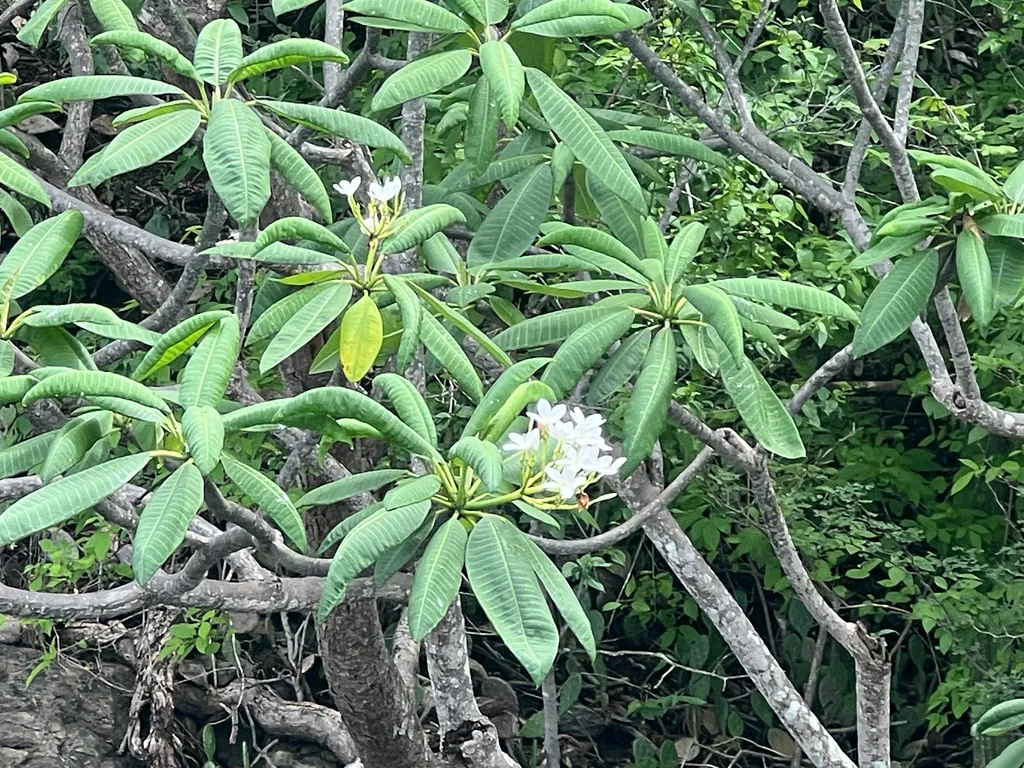
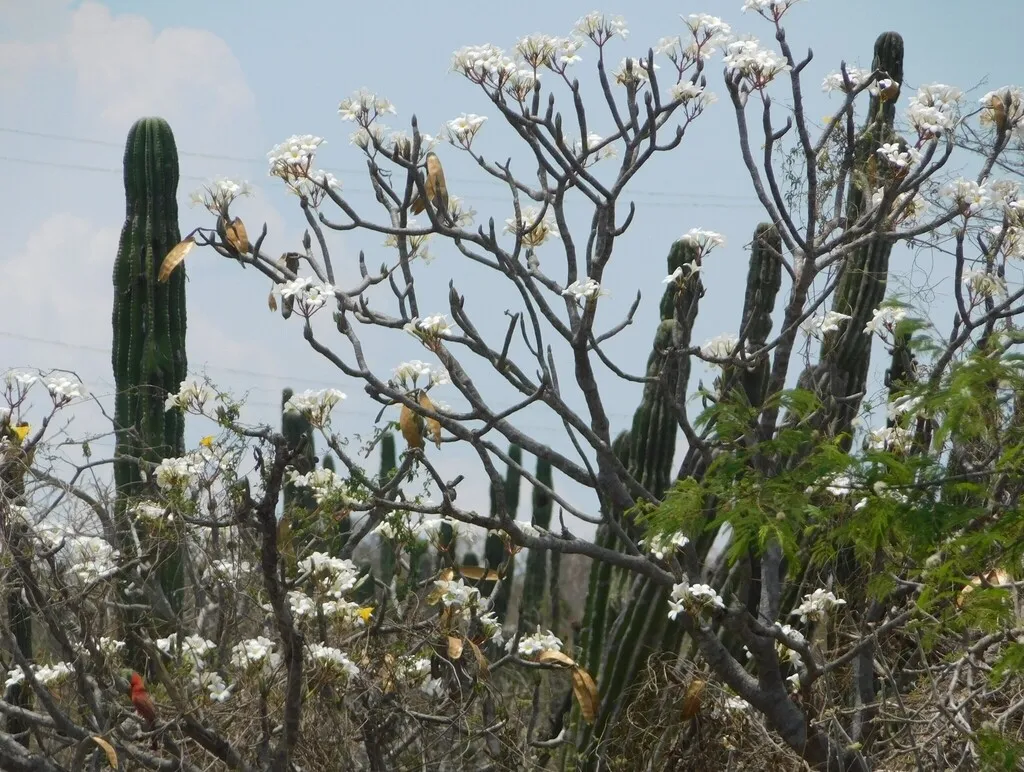
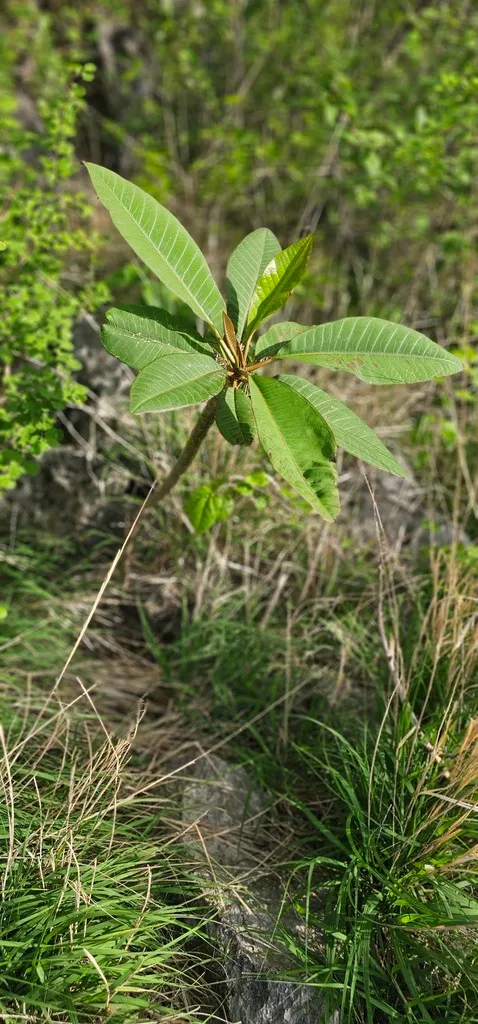
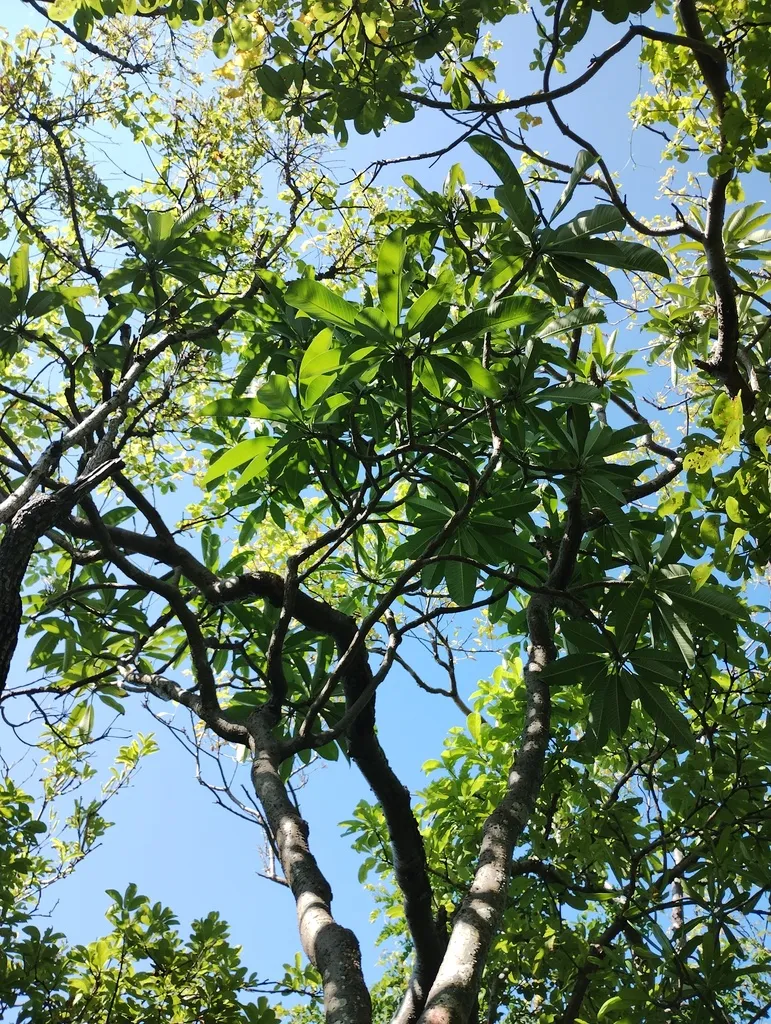
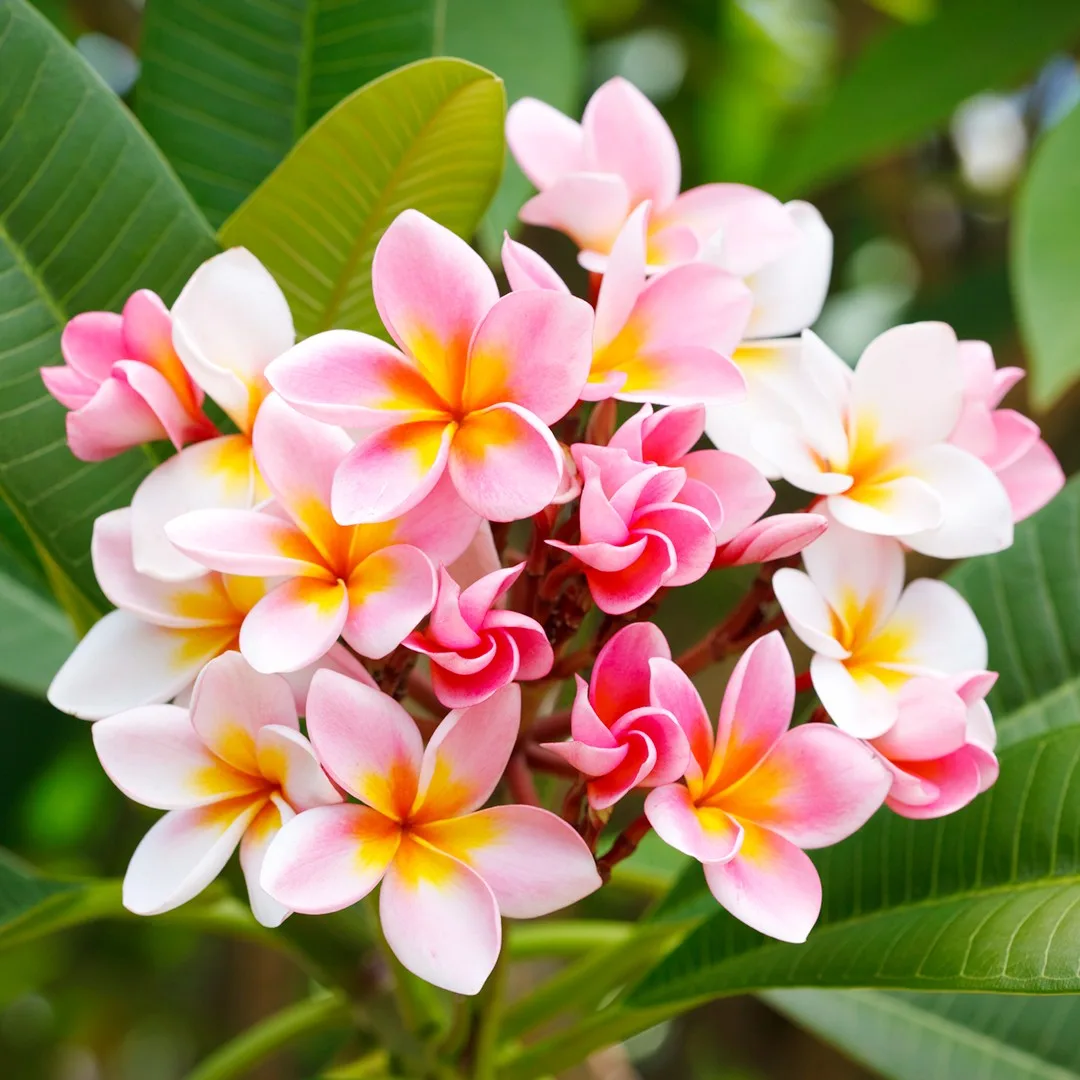
P. rubra is a deciduous shrub with few succulent branches bearing oblong leaves to 40cm long, and terminal panicles of highly fragrant, yellow-centred rose-pink flowers to 9cm across, in late summer and autumn
Scientific classification
- Species
- frangipani (Plumeria rubra)
- Genus
- Plumeria
- Family
- Apocynaceae
- Order
- Gentianales
- Class
- Magnoliopsida
- Phylum
- Magnoliophyta
- Harmful if eaten, skin/eye irritant. Wear gloves and other protective equipment when handling]
- Toxicity
- Conservatory Greenhouse
- Plant type
- 2.5-4 metres
- Height
- 1.5-2.5 metres
- Spread
- Deciduous
- Foliage
- Bushy
- Habit
- Spring · Summer · Autumn
- Season of interest
- Full sun
- Sunlight
- 20 – 30 °C
- Ideal temperature









frangipani pictures

Distribution of frangipani
Distribution map
- Native
- Introduced
- Cultivated
Source:WCVP v16 · Royal Botanic Gardens, Kew · CC BY 3.0 · Boundaries:WGSRPD / TDWG
Toxicity
Harmful if eaten, skin/eye irritant. Wear gloves and other protective equipment when handling]
frangipani care guide
- Moderate regular watering, allowing brief slight drying between soakings
- Watering
- Full sun
- Sunlight
- 20 – 30 °C
- Ideal temperature

Watering
Moderate regular watering, allowing brief slight drying between soakings
Fertilizing
 Fertilizing
Balanced perennial feed every four weeks from spring through summer
Pruning
 Pruning
When grown under glass, size may be reduced by pruning back to a branch junction or fork in early spring. Wounds can be prone to rotting however so pruning should be kept to a minimum. Mature plants do not respond well to renovation
Propagation
 Propagation
Propagate by seed sown in containers at 18°C (64F) in spring. Take ripe cuttings of leafless stem tips in early spring. Allow these to dry thoroughly at the base before inserting them into the rooting medium
Growing
 Growing
Grow under glass in a well-drained loam-based compost (JI No2) with the addition of extra grit or sharp sand. Provide full light and a minimum temperature of 10°C (50F). Water moderately when in growth, but keep almost dry during the winter months. Feed once a month with a balanced liquid fertilser during the growing season
Common pests and diseases
Diseases
May be susceptible to rot in cold conditions
Pests
May be susceptible to glasshouse red spider mite
Explore the plant health library →




