
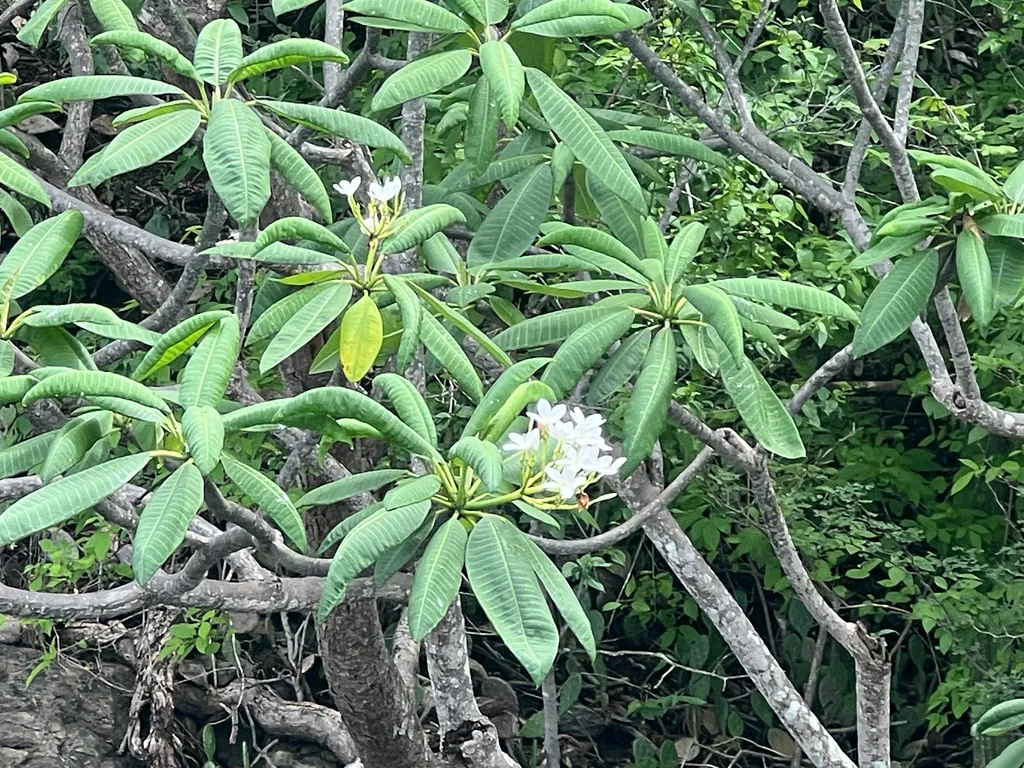



frangipani

frangipani · Soil

frangipani · Plumeria rubra
Also known as: jasmine mango; red nosegay tree; temple flower; temple tree; West Indian jasmine; pagoda tree

Red frangipani is typically easy to care for due to its minimal water and maintenance requirements. The special care points include ensuring plenty of sunlight, as it thrives in full sun exposure, and being mindful of water needs, as it prefers dry conditions and requires well-draining soil to prevent root rot. Its resilience makes it a suitable plant for gardeners of various experience levels.

Watering: Moderate regular watering, allowing brief slight drying between soakingsSunlight: Full sunHarmful if eaten, skin/eye irritant. Wear gloves and other protective equipment when handling]

What Soil Is Best for frangipani?

Red frangipani doesn't have strict soil requirements. Generally, it grows best in rich, nutritious, loose soil that is free of standing water. It likes slightly acidic soil and has an ideal pH range of 6.0-6.7. For potting, the soil can be made by mixing garden soil, humus, and river sand at a 4:4:2 ratio, with a little organic fertilizer added to provide a long-term supply of nutrition. For garden-grown red frangipani, well-drained soil is best for helping the roots grow. If the soil doesn't contain enough nutrients, you can improve it by mixing in leaf mold or organic manure.

Soil type
Loam · Sand
Soil pH
Acid · Alkaline · Neutral
PlantCare

Your Ultimate Guide to Plants

Identify, grow and nurture the better way!

PlantCare plant identification and care illustration
PlantCare

Botanist in your pocket

Scan to download PlantCareDownload on the App Store

Scan the QR code with your phone camera to download the app