



Planting and Growing busy lizzie

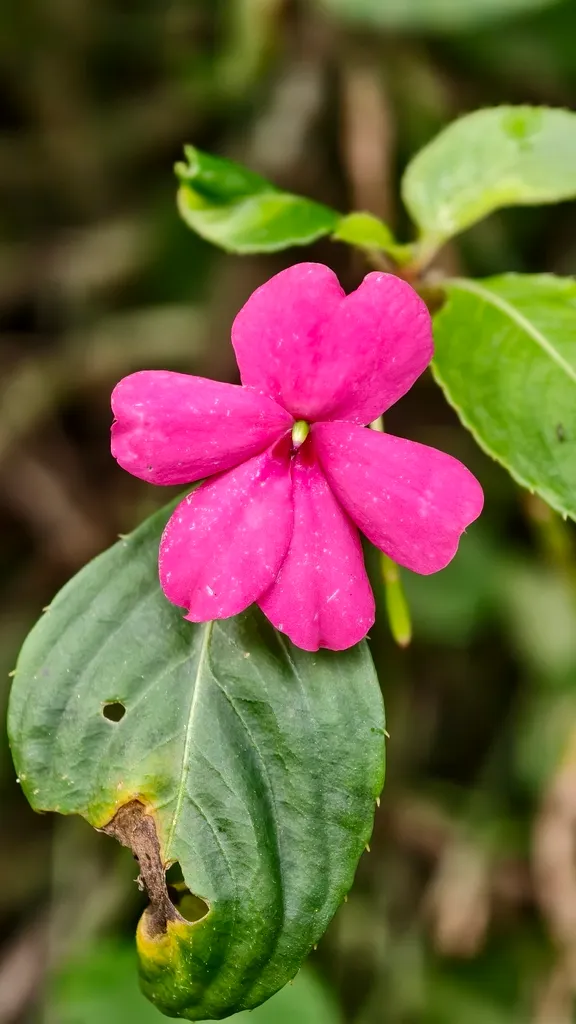
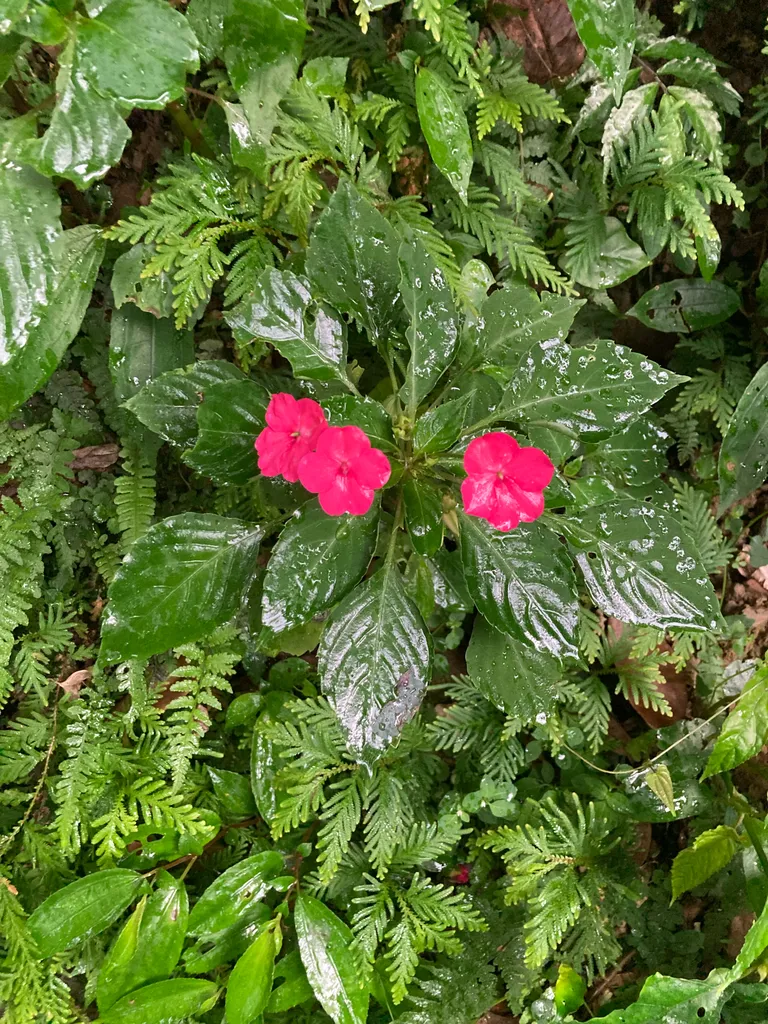
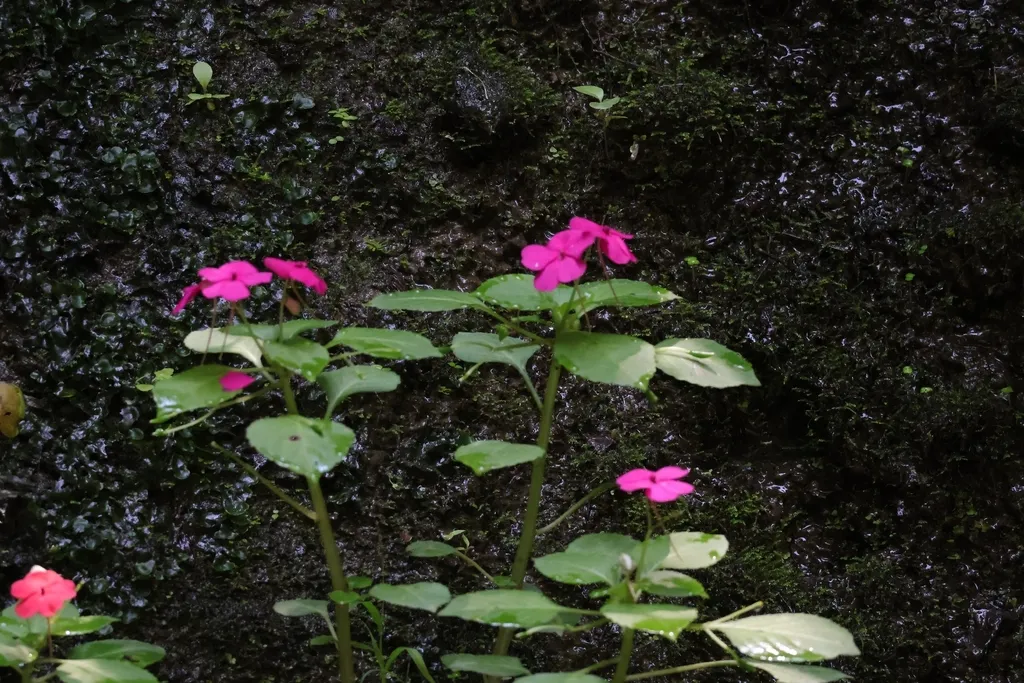
| Care difficulty | 2 / 5 |
|---|---|
| Watering schedule | Moderate regular watering, allowing brief slight drying between soakings |
| Sunlight requirements | Full shade · Full sun · Partial shade |
| Ideal temperature | 15 – 25 °C |
| Soil type | Chalk · Clay · Loam · Sand |
| Soil pH | Acid · Alkaline · Neutral |
| Soil moisture | Moist but well drained |
| Fertilizing | Balanced perennial feed every four weeks from spring through summer |
| Toxicity | Information to be completed |
How to Water busy lizzie?
Thriving in its native tropical environments, busy lizzie has adapted to regular moisture and high humidity. This species exhibits a preference for consistent hydration but can tolerate short periods of dryness. Its watering regimen should reflect its habitat's conditions, requiring a generous twice-a-week schedule to maintain soil moisture without waterlogging. In indoor settings, busy lizzie benefits from higher humidity levels which mimic its natural rainforest origins, promoting lush growth and vibrant blooms throughout its growing season.
Learn more →What Are the Sunlight Requirements for busy lizzie?
For optimal growth, busy lizzie thrives in areas with partial sun, where gentle sunlight intermingles with dappled shade to create the perfect balance of light. Despite favoring moderate light, busy lizzie exhibits a notable tolerance to both full sun and full shade conditions. When exposed to intense sunlight, busy lizzie may experience scorched leaves and reduced flowering, whereas in deeper shade, it might produce lusher foliage at the expense of bloom vigor. Indoors, busy lizzie prefers well-lit spots away from direct sun; outdoors, they flourish under the shelter of taller plants. Light quality prompts adaptive responses in busy lizzie, such as leaf color variations to maximize photosynthesis.
Learn more →What Is the Ideal Temperature Range for busy lizzie?

Busy lizzie is somewhat sensitive to temperature fluctuations. It can endure temperatures as low as 5℃ (41℉) but struggles in colder conditions, risking frost damage. Conversely, it exhibits notable heat tolerance, withstanding up to 43℃ (109℉). Under extreme cold, busy lizzie will show signs of wilting, yellowing leaves, or stunted growth, while extreme heat may result in scorched leaves or wilting. To care for busy lizzie, shelter it from frost and provide shade during peak heat. Mulching can mitigate temperature extremes, and regular watering is crucial to prevent heat stress. Monitoring and adjusting its environment are essential for maintaining its health.
Learn more →What Soil Is Best for busy lizzie?
Busy lizzie is not tolerant of drought or accumulated water. Thus, the best soil for them is fertile, loose, well-drained, sandy soil with a suitable pH of 6-6.5, which is slightly acidic. Never use damping soil as a culture medium. If compacted soil is found, be sure to loosen and mix it with other substrates to improve its permeability, which is good for busy lizzie growth.
- Soil type
- Chalk · Clay · Loam · Sand
- Soil pH
- Acid · Alkaline · Neutral
What Are the Moisture Requirements for busy lizzie?
Moist but well drained
Learn more →How to Fertilize busy lizzie?

For optimal growth, busy lizzie benefits from fertilizers high in phosphorus, promoting vibrant blooms and robust growth. Dilute a balanced, water-soluble fertilizer every two weeks during the growing season, and reduce to monthly in winter. Apply quarter-strength to prevent root burn, ensuring soil is moist. Over-fertilization risks leaf burn and weakens busy lizzie; under-fertilization causes pale foliage and poor flowering. Monitor for seasonal cues, adjusting the regimen accordingly to maintain health and resilience throughout its life cycle. Always read product instructions for safe application.
Learn more →How to Prune busy lizzie?

Busy lizzie thrives with regular pruning. Early to late spring is the optimal time for this task. Focus on removing spent flowers, yellowing leaves, and any damaged stems to encourage bushier growth and more blooms. Pinch back overgrown branches to maintain shape and improve air circulation. Pruning not only enhances the plant's appearance but also promotes healthier, more vigorous growth. Use clean, sharp tools to prevent disease, and avoid heavy pruning in fall as it can stress the plant.
Learn more →How to Propagate busy lizzie?

Busy lizzie propagation is best achieved through sowing seeds during Spring. The process is relatively easy, with successful germination indicated by emerging seedlings. Ensure proper light, moisture, and temperature for optimal results.
Learn more →How to Transplant busy lizzie?
For the best growth of busy lizzie, choose mid spring to late spring or mid fall to late fall as ideal transplanting seasons. This allows the plant to establish roots more efficiently. Ensure a well-draining, partially-shaded location for optimal transplant success. Remember to handle the delicate root system with care during transplant!
Learn more →How to Plant busy lizzie?
Indoors-potted: Ensure busy lizzie is potted in a well-draining vessel to prevent root rot, which is especially crucial indoors. Outdoors-potted: Busy lizzie's vibrant blooms benefit from outdoor airflow but avoid placing in windy spots that can stress the stems. Outdoors-in the ground: Busy lizzie, when planted in the ground, will spread quickly; give it space to flourish without overshadowing smaller neighbors.
Learn more →How to Repot busy lizzie?
Repot busy lizzie in early spring every 2-3 years to accommodate its bushy growth. Choose a slightly larger pot to promote healthy root development. Post-repot, ensure indirect light and consistent moisture to prevent stress. Use airy, nutrient-rich soil to foster busy lizzie's vibrant blooms and compact form.
Learn more →Common Pests & Diseases

Diseases
Can be susceptible to downy mildew.
Pests
Generally pest-free. May be susceptible to aphids, glasshouse red spider mite and vine weevil
Explore the plant health library →