
busy lizzie
Also known as: Chinaman's pigtail; patience plant; sultana; sultan's flower; sultan's balsam; sultan's pride; Zanzibar balsam
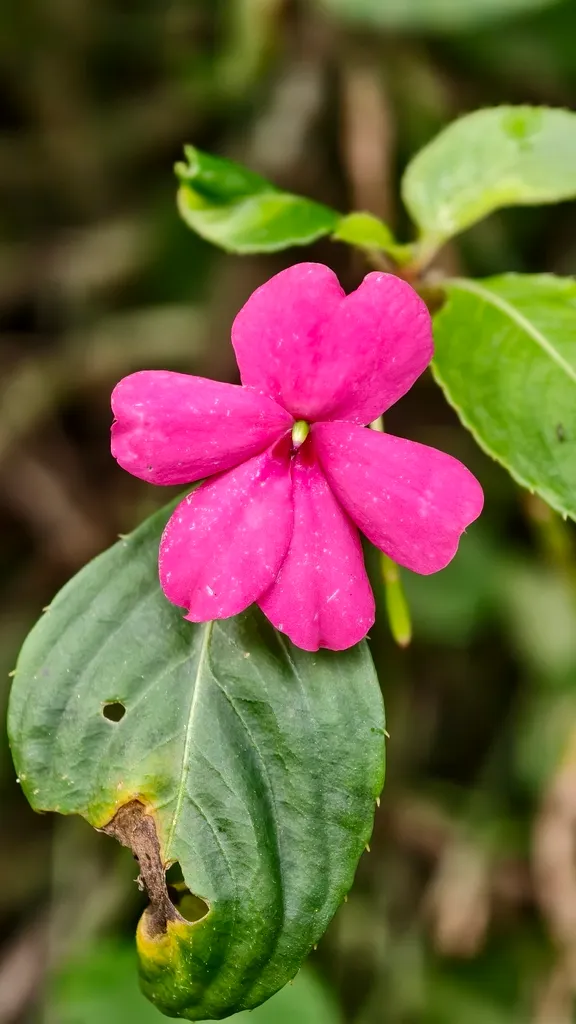
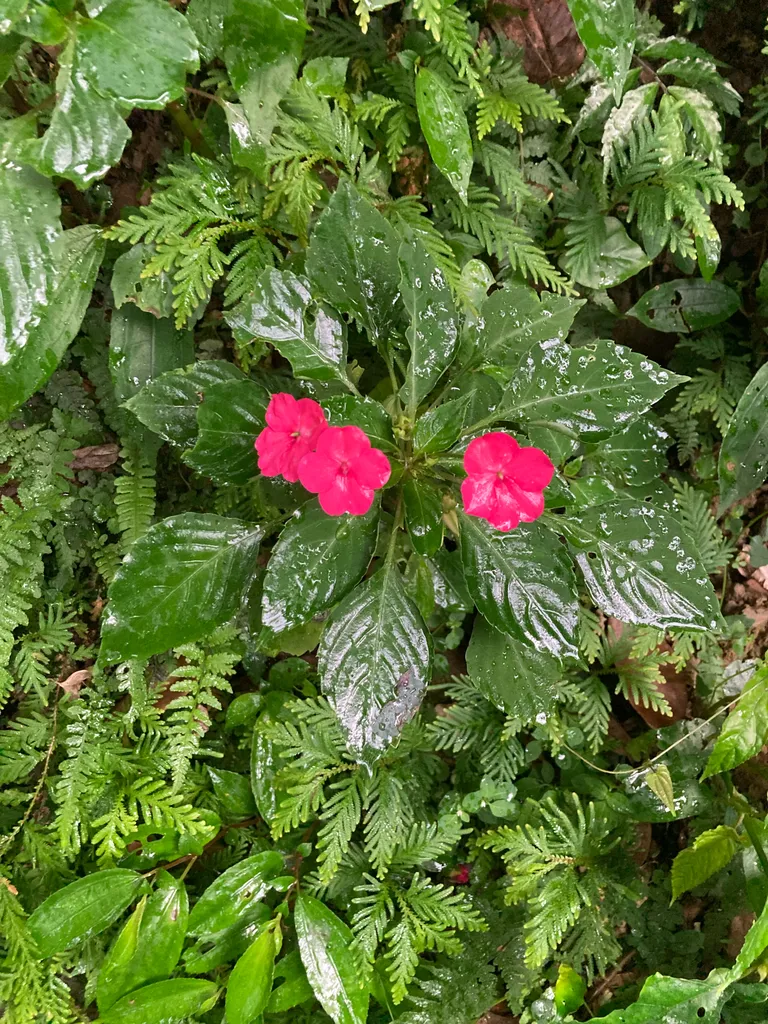
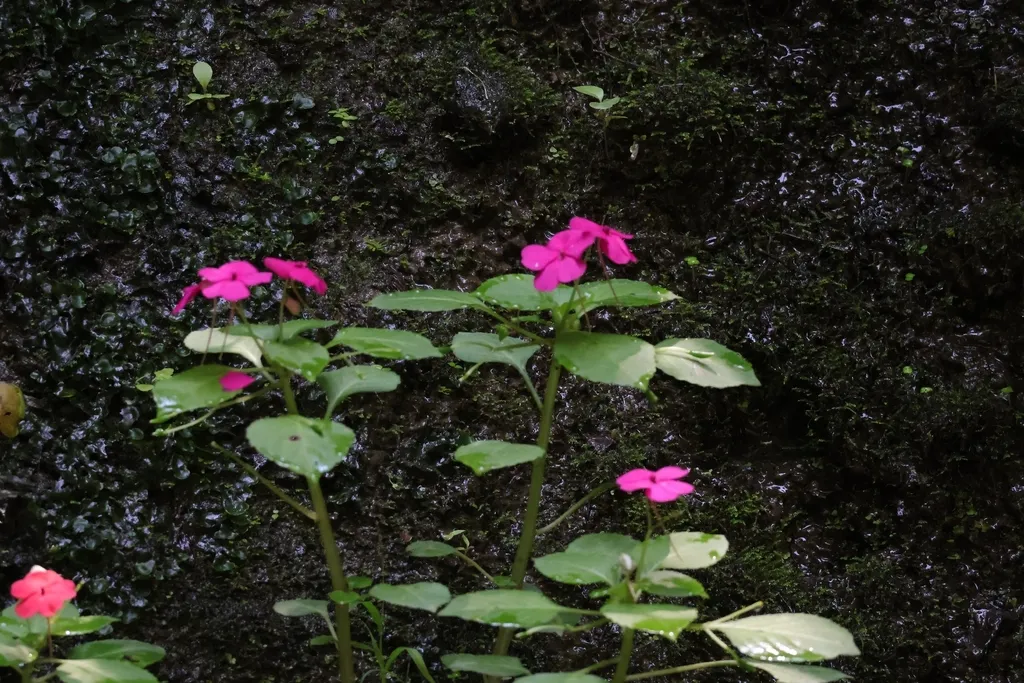
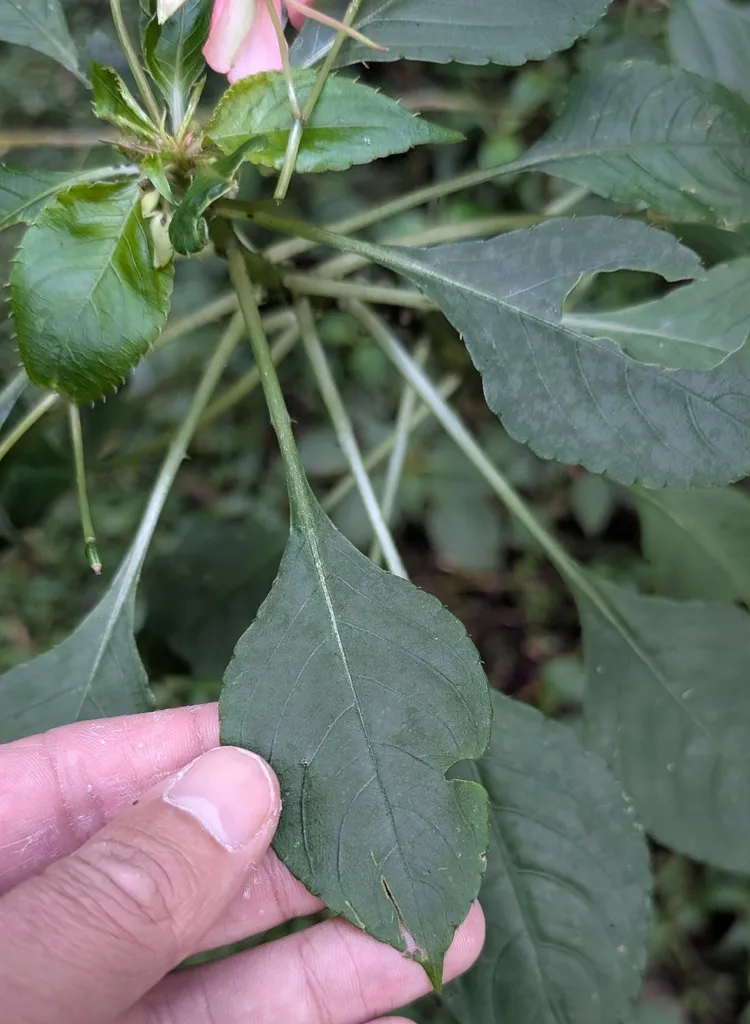
Also commonly known as 'Busy Lizzie', 'Balsam', or simply 'Impatiens', this is a species of the genus Impatiens, native to eastern Africa from Kenya to Mozambique. It is a tender herbaceous perennial plant but mostly grown as annual bedding. It grows approximately 15–60 cm tall, with broad lanceolate leaves 3–12 cm long and 2–5 cm broad. Leaves are mostly alternate, although they may be opposite near the top of the plant. The changeable, simple leaves are stalked and 1.5 to 6 cm long, green and sometimes spotted, pinkish or reddish on the underside. It's a very floriferous plant with blooms 2–5 cm diameter, with five petals and a 1 cm spur. The leaves and stems are semi-succulent, and all parts of the plant (leaves, stems, flowers, roots) are rather soft and easily damaged. A very useful summer bedding plant for more shady locations in the garden that will also thrive in full sun if kept moist and well watered.
Scientific classification
- Species
- busy lizzie (Impatiens walleriana)
- Genus
- Impatiens
- Family
- Balsaminaceae
- Order
- Ericales
- Class
- Magnoliopsida
- Phylum
- Magnoliophyta
- Information to be completed
- Toxicity
- Bedding · Conservatory Greenhouse · Houseplants
- Plant type
- 0.1-0.5 metres
- Height
- 0.1-0.5 metres
- Spread
- Evergreen
- Foliage
- Bushy
- Habit
- Spring · Summer
- Season of interest
- Full shade · Full sun · Partial shade
- Sunlight
- 15 – 25 °C
- Ideal temperature









busy lizzie pictures
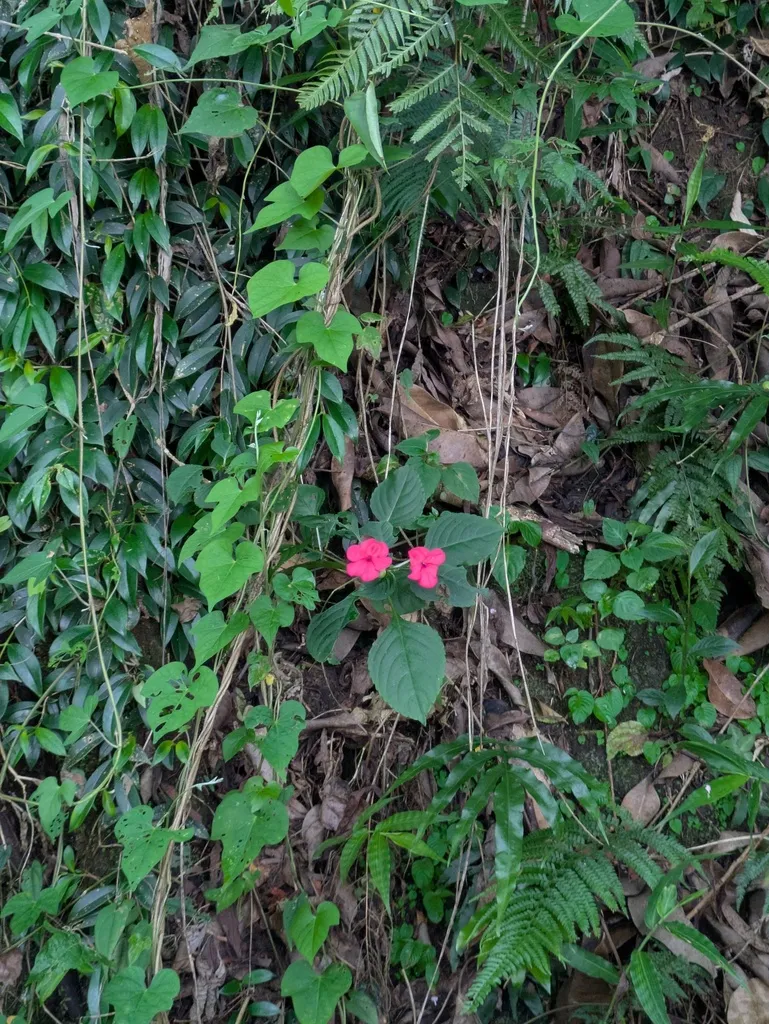
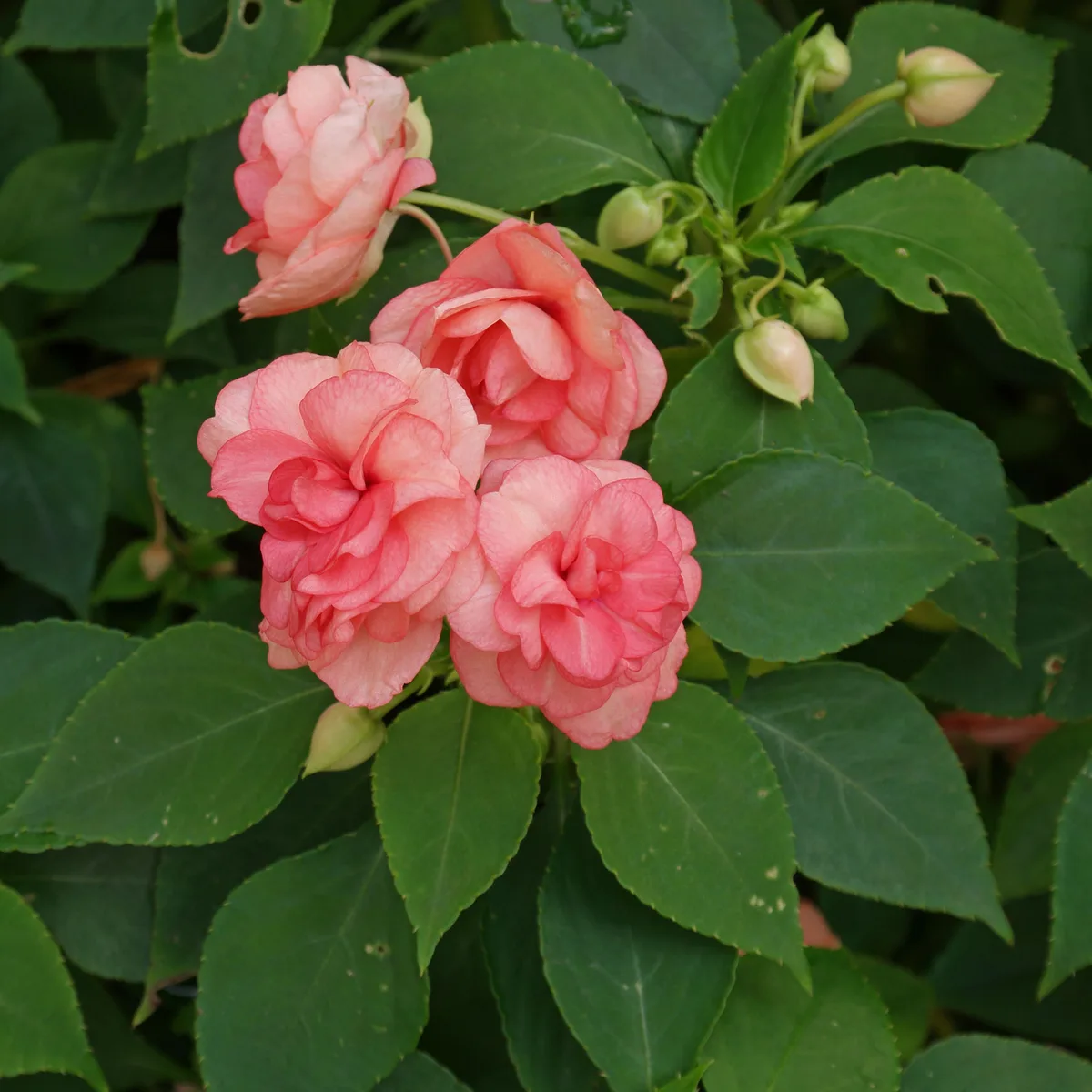
Distribution of busy lizzie
Distribution map
- Native
- Introduced
- Cultivated
Source:WCVP v16 · Royal Botanic Gardens, Kew · CC BY 3.0 · Boundaries:WGSRPD / TDWG
busy lizzie care guide
- Moderate regular watering, allowing brief slight drying between soakings
- Watering
- Full shade · Full sun · Partial shade
- Sunlight
- 15 – 25 °C
- Ideal temperature

Watering
Moderate regular watering, allowing brief slight drying between soakings
Fertilizing
 Fertilizing
Balanced perennial feed every four weeks from spring through summer
Pruning
 Pruning
Pinch out growing tip when young for a well-balanced and well-branched plant. Careful and regular dead-heading can prolong the flowering display well into autumn.
Propagation
 Propagation
Propagate by seed or softwood cuttings
Growing
 Growing
Grow on in warm frost free conditions. Acclimatise plants before planting outside in early summer. Pinching out when young will create a well balanced compact plant that is perfect for container cultivation. A useful bedding plant for any moist but well-drained soil in a sheltered, partially shaded site.
Common pests and diseases
Diseases
Can be susceptible to downy mildew.
Pests
Generally pest-free. May be susceptible to aphids, glasshouse red spider mite and vine weevil
Explore the plant health library →




