



Planting and Growing rubber plant


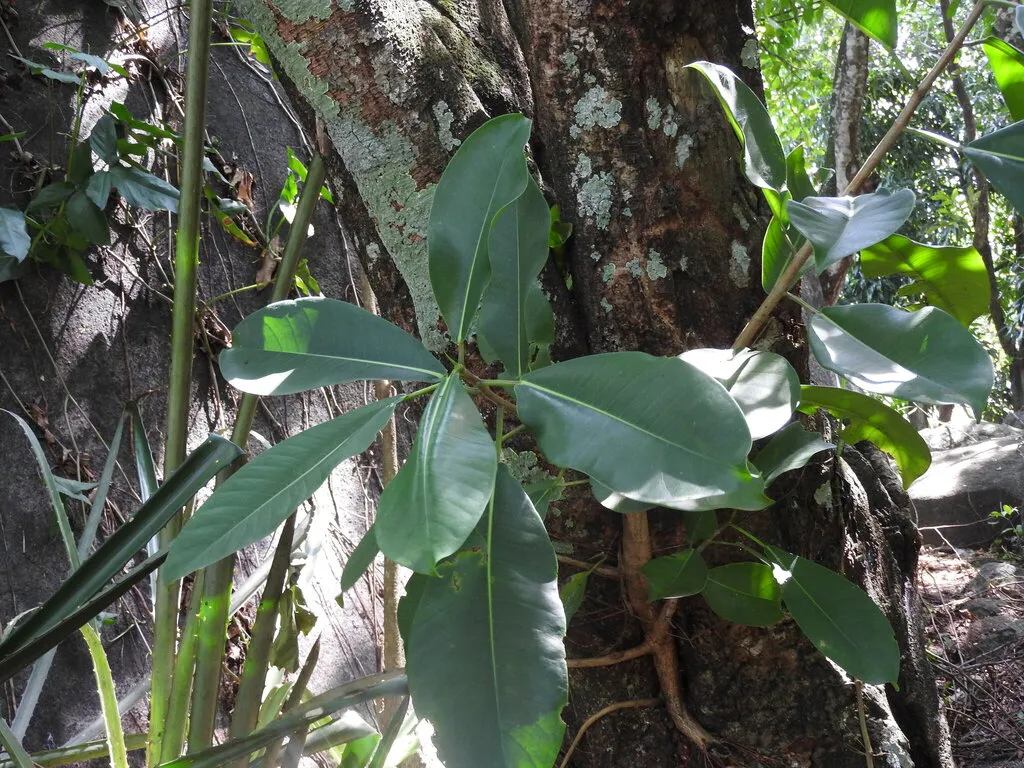
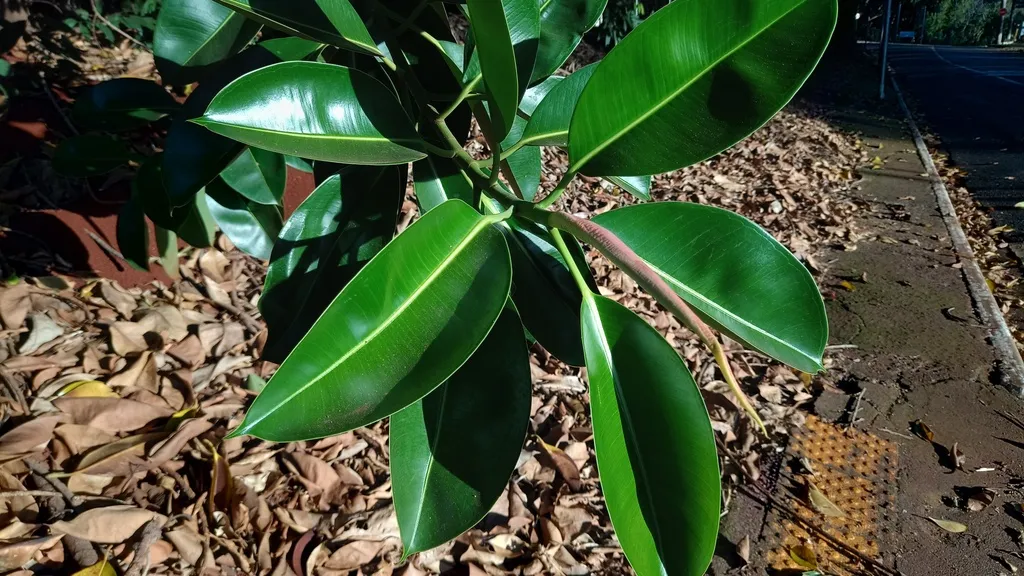
| Care difficulty | 2 / 5 |
|---|---|
| Watering schedule | Water when soil is dry to the touch |
| Sunlight requirements | Full sun · Partial shade |
| Ideal temperature | 18 – 27 °C |
| Soil type | Loam |
| Soil pH | Acid · Alkaline · Neutral |
| Soil moisture | Moist but well drained |
| Fertilizing | Monthly in growing season |
| Toxicity | Information to be completed |
How to Water rubber plant?
Originating from the humid environments of tropical rainforests, rubber tree has adapted to a consistent but moderate moisture regime. It exhibits a preference for evenly moist soil conditions and demonstrates a notable resilience to occasional dry spells. Watering is optimal once every 1-2 weeks, allowing the soil to dry slightly between sessions. As an indoor plant, rubber tree thrives in conditions that mimic its native habitat's humidity, making it well-suited for spaces with higher moisture levels. When considering growth cycles, rubber tree's watering needs may decrease during its dormant period in cooler months.
Learn more →What Are the Sunlight Requirements for rubber plant?
Rubber tree thrives in partial sun environments, where it receives bright but indirect light. Optimal growth occurs with a good balance of light exposure without the intensity of midday sun. While rubber tree can tolerate a range of lighting conditions, from full sun to full shade, its preference leans towards the brighter side of that spectrum. Excessive direct sunlight can lead to leaf scorch, whereas insufficient light may cause stunted growth and reduced leaf size. Rubber tree's leaves can adapt to low light by becoming darker to absorb more light. When grown indoors, rubber tree should be placed near a window with diffused light, while outdoors, an east or north-facing location is ideal to avoid harsh sun exposure.
Learn more →What Is the Ideal Temperature Range for rubber plant?

Rubber tree is resilient, tolerating temperatures from 0℃ (32℉) to 43℃ (109℉). However, extreme temperatures affect its care. In cold settings below 10℃ (50℉), rubber tree may show leaf drop or discoloration, necessitating indoor relocation or insulation. Conversely, above 29℃ (85℉), signs like wilting or scorched leaves mandate shade and increased watering. To ensure healthy growth, protecting rubber tree from temperature extremes is crucial.
Learn more →What Soil Is Best for rubber plant?
Rubber tree prefers fertile soil and cannot resist barren ground. It does not like sticky soil with poor drainage, so a plot rich in organic substances and not easily compacted is preferred. The soil should be slightly acid, with a pH of 6-6.5. When used as a potted plant, mix leaf mold, garden soil, and organic fertilizer at a ratio of 4:3:3.
- Soil type
- Loam
- Soil pH
- Acid · Alkaline · Neutral
What Are the Moisture Requirements for rubber plant?
Moist but well drained
Learn more →How to Fertilize rubber plant?

For rubber tree, fertilize with high nitrogen fertilizers every six weeks during active growth in spring and summer, tapering off in fall and ceasing in winter. A balanced, water-soluble blend, with a higher ratio of nitrogen, promotes foliage health and growth. Apply a quarter-strength solution, ensuring soil is moist to prevent root burn. Seasonal adjustments in frequency and quantity are crucial for adapting to rubber tree's growth cycle. Over-fertilizing can harm rubber tree, so follow precise application rates and use caution to maintain plant vigor without overfeeding.
Learn more →How to Prune rubber plant?

Rubber tree are known for their large, glossy leaves and robust growth. Pruning should be done in early to late winter to encourage healthy growth and prevent legginess. Key techniques include removing any dead or damaged leaves and shaping the plant to manage its size and density. Regular pruning benefits rubber tree by promoting bushier growth and improving air circulation. Always use clean, sharp tools to minimize plant stress and reduce the risk of disease.
Learn more →How to Propagate rubber plant?

The preferred propagation methods for rubber tree are cutting and layering, ideally performed in spring. It exhibits moderate difficulty in propagation, with successful signs including new root and shoot growth. Ensure high humidity and indirect sunlight for optimal results.
Learn more →How to Transplant rubber plant?
To ensure a thriving rubber tree, transplant during the sweet spot of mid to late spring, or mid to late fall. Select a location with bright, indirect light and well-draining soil. If needed, provide additional guidance and support throughout the transplant process for a healthy, settled rubber tree.
Learn more →How to Care for rubber plant in Winter?

Rubber tree hails from the tropical rainforests of Southeast Asia, hence it thrives in warm, humid conditions. Naturally, it's not accustomed to cold winter climate. For rubber tree's winter care, maintaining warm indoor temperatures (around 60°F or above) and regular misting is essential. Keep it away from cold drafts and maintain consistent watering. Wrapping the pot with bubble wrap can provide insulation and help rubber tree survive chilly winters.
Learn more →How to Plant rubber plant?
Indoors-potted: Keep your rubber tree in a stable environment indoors, as frequent moves can lead to leaf drop—a sign of stress for this steady grower. Outdoors-potted: Outdoor potted rubber tree may need rotation to encourage even growth, as they tend to lean towards their preferred light source over time. Outdoors-in the ground: Rubber tree planted in the ground flourish with space, developing strong roots and expansive foliage; ensure ample room for growth.
Learn more →How to Repot rubber plant?
Repot rubber tree every 2-3 years during the spring to accommodate its rapid growth. Choose a tall, sturdy pot one size larger to support its height and robust root system. Ensure the new container has good drainage. After repotting, place rubber tree in bright, indirect light and maintain consistent watering to encourage recovery. Avoid fertilizing for a month to prevent root burn.
Learn more →How to Harvest rubber plant?

Information to be completed
Learn more →Common Pests & Diseases

Diseases
May be susceptible to honey fungus
Pests
May be susceptible to glasshouse red spider mite, thrips, mealybugs and scale insects under glass
Explore the plant health library →The Toxicity of rubber plant
Information to be completed