
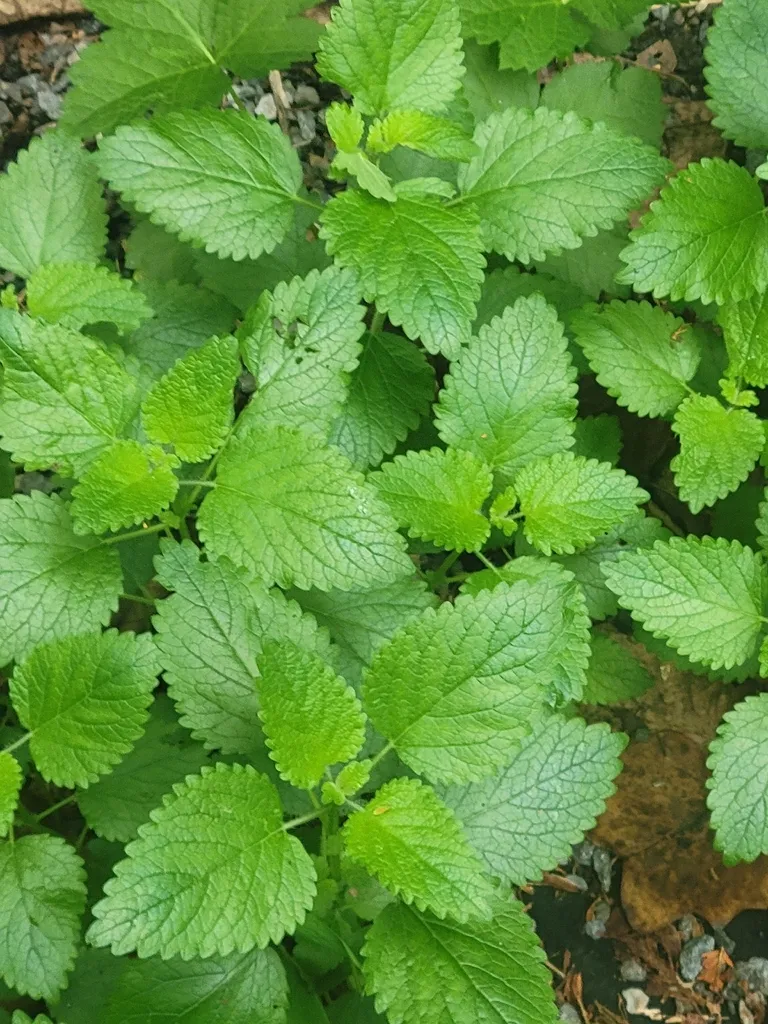



lemon balm

lemon balm · Fertilizing

lemon balm · Melissa officinalis
Also known as: balm; balm leaf; balm oil plant; barm leaf; bee balm; dropsywort; honey plant; pimentary; sweet balm; sweet Mary; tea balm

Lemon balm thrives in well-drained soil and requires regular watering, though it is important not to overwater. As a special care point, lemon balm benefits from frequent harvesting or pruning to encourage bushier growth. It's adaptable to partial shade but prefers full sun exposure for optimal growth and flavor development.

Watering: Moderate regular watering, avoid prolonged drought and stagnant waterloggingSunlight: Full sun · Partial shadeInformation to be completed

How to Fertilize lemon balm?

For vibrant growth, lemon balm benefits from a balanced nutrition fertilizer (like a 10-10-10 NPK ratio), applied bi-monthly during the growing season. Start with a lighter hand, using half the recommended label rate to avoid over-fertilization, which can harm lemon balm's delicate root system. Fertilizing supports robust foliage and can enhance potential flowering. As lemon balm enters dormancy in colder months, taper off to prevent resource waste and minimize growth disruptions. Adjust quantity and frequency as lemon balm matures, observing plant response for optimal vigor.

PlantCare

Your Ultimate Guide to Plants

Identify, grow and nurture the better way!

PlantCare plant identification and care illustration
PlantCare

Botanist in your pocket

Scan to download PlantCareDownload on the App Store

Scan the QR code with your phone camera to download the app