



Planting and Growing lemon balm

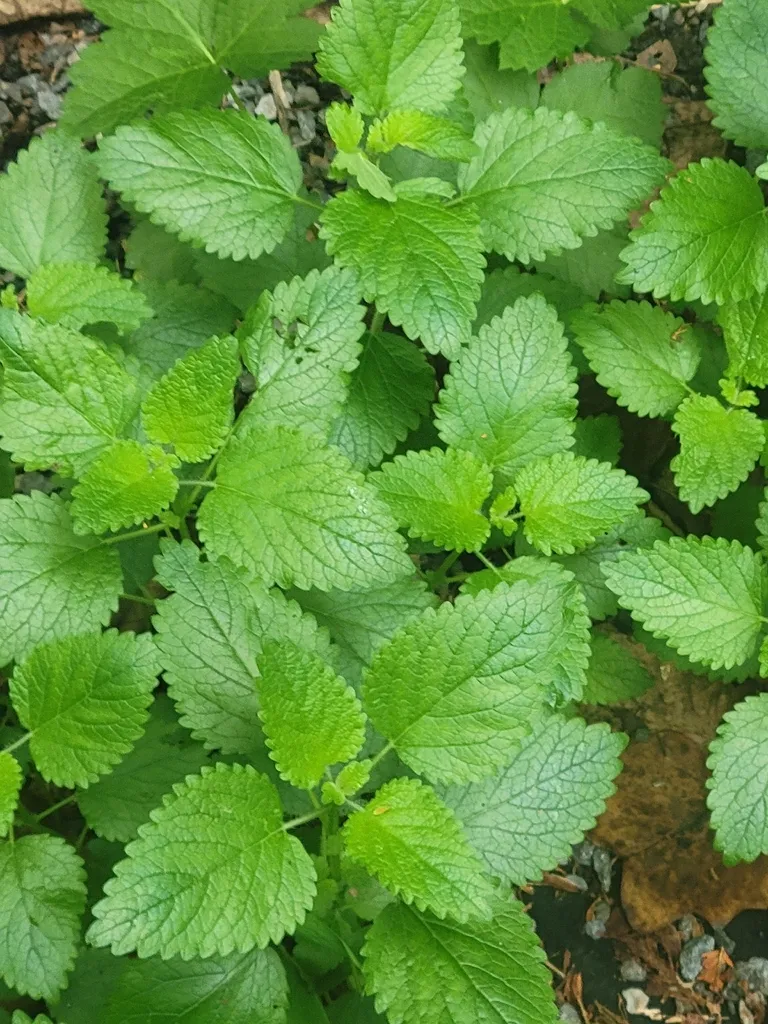
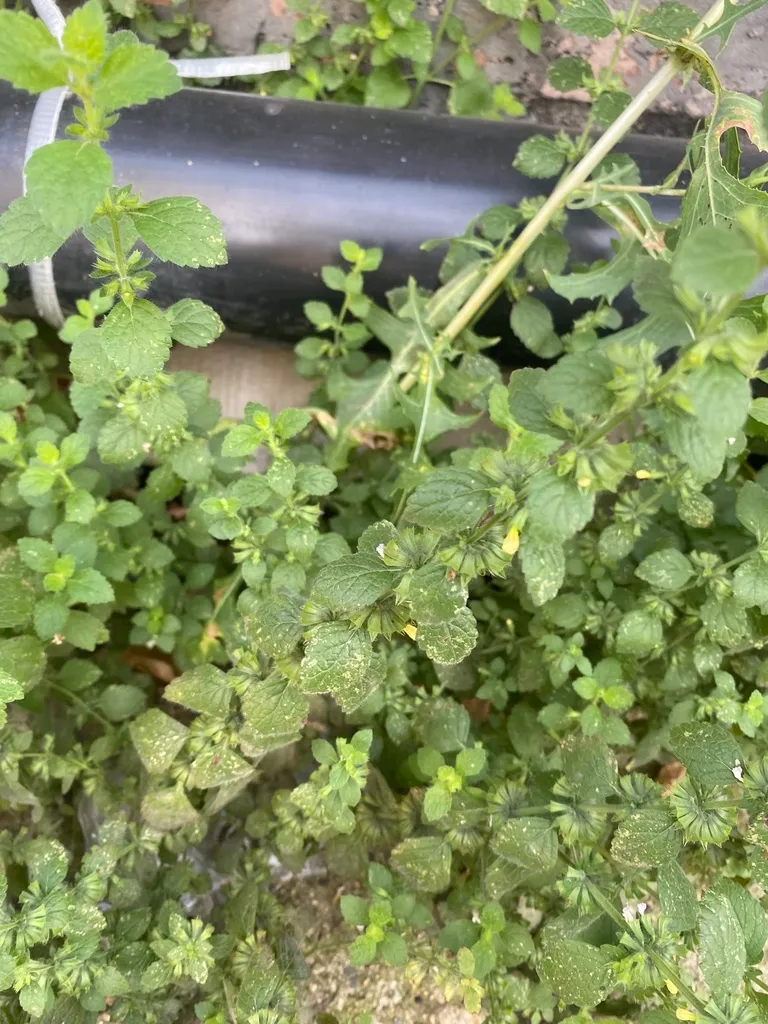
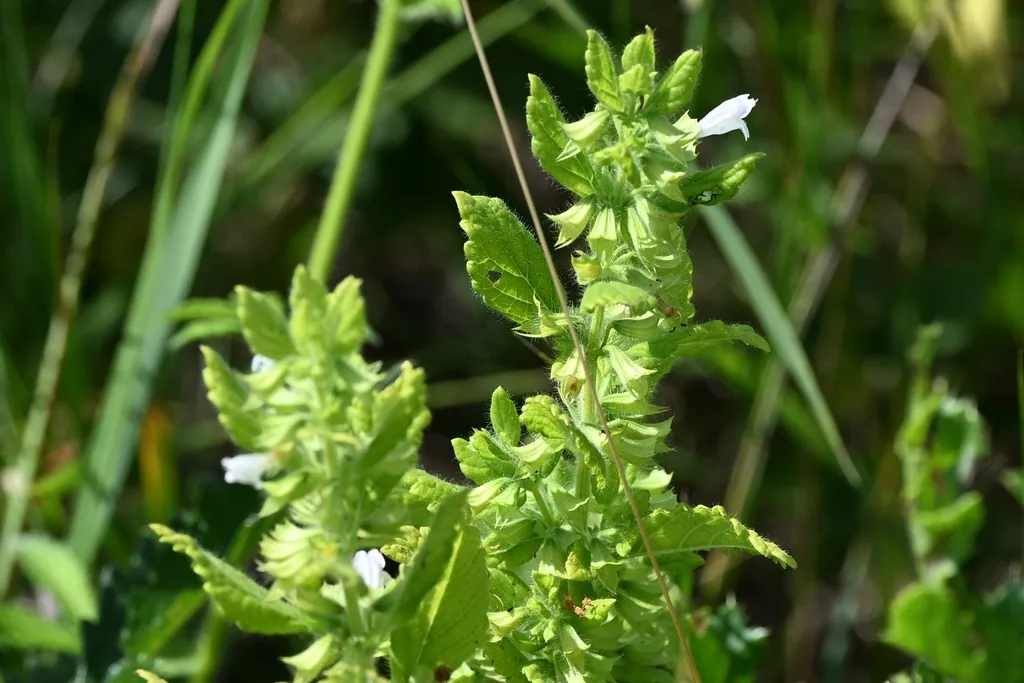
| Care difficulty | 2 / 5 |
|---|---|
| Watering schedule | Moderate regular watering, avoid prolonged drought and stagnant waterlogging |
| Sunlight requirements | Full sun · Partial shade |
| Ideal temperature | 15 – 25 °C |
| Soil type | Chalk · Clay · Loam · Sand |
| Soil pH | Acid · Alkaline · Neutral |
| Soil moisture | Well drained |
| Fertilizing | Balanced perennial feed every four weeks spring through summer growth |
| Toxicity | Information to be completed |
How to Water lemon balm?
Native to the Mediterranean region, lemon balm thrives in moist soil conditions and exhibits a preference for consistent moisture, akin to its origins. This herbaceous perennial is moderately drought-tolerant but favors a stable water supply, reflecting its habitat's balance between dry spells and periodic rains. For optimal growth, lemon balm should receive watering every week. Cultivated primarily outdoors due to its aromatic leaves and attraction to pollinators, lemon balm benefits significantly from mulching which helps retain soil moisture and reduces the need for frequent watering.
Learn more →What Are the Sunlight Requirements for lemon balm?
Lemon balm flourishes best under full sunlight, which enables robust growth and ideal health. This plant generally thrives with ample light exposure, requiring multiple hours of direct sunlight to favor the development of its fragrant leaves and contribute to its potency. However, lemon balm also exhibits good tolerance to partial sun, adeptly adapting to less intense light without significant detriment. In less than optimal light, its growth might be less vigorous, and the leaves may not reach their full aromatic potential. Outdoors, lemon balm should be positioned to receive the most light possible, especially in garden spaces that are bathed in sunlight for the greater part of the day. Despite its resilience to variances in light, ensuring lemon balm receives sufficient bright conditions is conducive to its thriving presence.
Learn more →What Is the Ideal Temperature Range for lemon balm?

Lemon balm is a resilient plant capable of enduring considerable temperature variations. It can withstand cold down to 0°C (32°F) and heat up to 38°C (100°F). This tolerance necessitates minimal protective measures during mild extremes but requires shielding from frost and excessive heat. In extreme cold, lemon balm may exhibit stunted growth and wilting, while in severe heat, it may show signs of leaf scorch and dehydration. To counteract overcooling, cover or bring indoors, and for overheating, provide shade and adequate water. These characteristics make lemon balm suitable for a range of environments, provided these care measures are in place.
Learn more →What Soil Is Best for lemon balm?
For optimal growth, lemon balm requires well-aerated soil with excellent drainage to prevent water-logging. A suitable soil mix includes garden soil, sand, and compost in equal parts. If compost is not available, aged manure can be an alternative. Adding perlite or vermiculite will enhance drainage. Fertilize with a balanced, water-soluble fertilizer bi-monthly during the growing season to support healthy growth.
- Soil type
- Chalk · Clay · Loam · Sand
- Soil pH
- Acid · Alkaline · Neutral
What Are the Moisture Requirements for lemon balm?
Well drained
Learn more →How to Fertilize lemon balm?

For vibrant growth, lemon balm benefits from a balanced nutrition fertilizer (like a 10-10-10 NPK ratio), applied bi-monthly during the growing season. Start with a lighter hand, using half the recommended label rate to avoid over-fertilization, which can harm lemon balm's delicate root system. Fertilizing supports robust foliage and can enhance potential flowering. As lemon balm enters dormancy in colder months, taper off to prevent resource waste and minimize growth disruptions. Adjust quantity and frequency as lemon balm matures, observing plant response for optimal vigor.
Learn more →How to Prune lemon balm?

Lemon balm, a fragrant herb with medicinal and culinary uses, benefits from regular pruning. Key techniques involve trimming back stems to promote bushier growth and removing dead or damaged foliage. Optimal pruning occurs from early to late spring to coincide with active growth. Pruning enhances airflow, reducing disease risk, and encourages robust, dense growth. Regular pruning also prevents legginess and extends the productive lifespan of the plant. Maintain a balanced shape to support vigorous health and frequent harvests.
Learn more →How to Propagate lemon balm?

Lemon balm is best propagated in Spring through sowing. It has a moderate propagation difficulty. Successful propagation is indicated by new growth and healthy leaves. Ensure well-draining soil and consistent moisture for optimal results.
Learn more →How to Transplant lemon balm?
Lemon balm ideally flourishes when transplanted during mid-spring to early summer, as this period offers optimal growing conditions. Choose a sunny or partially shaded location with well-draining soil. If necessary, enrich the soil with organic matter prior to transplanting for better growth.
Learn more →How to Plant lemon balm?
Indoors-potted: Thriving indoors, lemon balm needs regular pruning to encourage bushy growth and prevent it from becoming leggy. Outdoors-potted: Lemon balm, when potted outdoors, prefers a sheltered spot as it doesn't fare well against strong winds or heavy rain. Outdoors-in the ground: In the garden soil, lemon balm can become invasive; contain its spread by planting in a submerged pot or designated area.
Learn more →How to Repot lemon balm?
To accommodate lemon balm's bushy growth, repot every 2-3 years in spring, just before its rapid growth phase. Choose a slightly larger pot to encourage expansion. Post-repotting, ensure well-draining soil and regular watering as roots establish. Lemon balm thrives in new space, enhancing its aromatic leaves, if given bright light and pruned to avoid legginess.
Learn more →Common Pests & Diseases

Diseases
Generally disease-free. Verticillium wilt may rarely occur
Pests
May be susceptible to sage leafhopper
Explore the plant health library →