
lemon balm
Also known as: balm; balm leaf; balm oil plant; barm leaf; bee balm; dropsywort; honey plant; pimentary; sweet balm; sweet Mary; tea balm
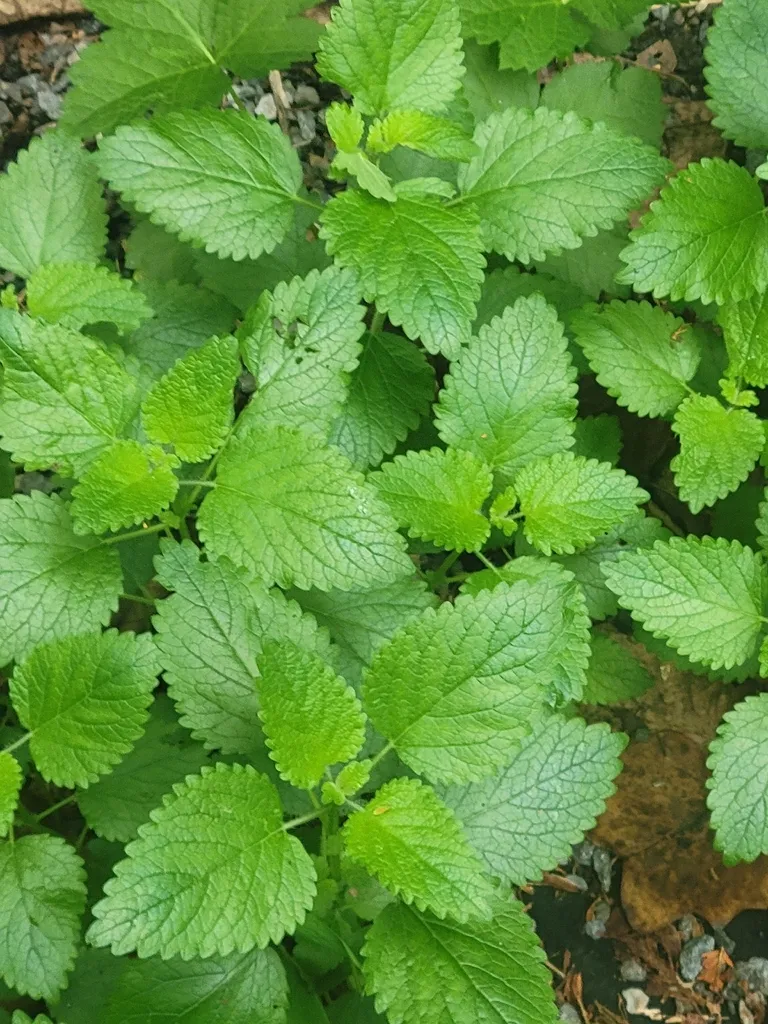
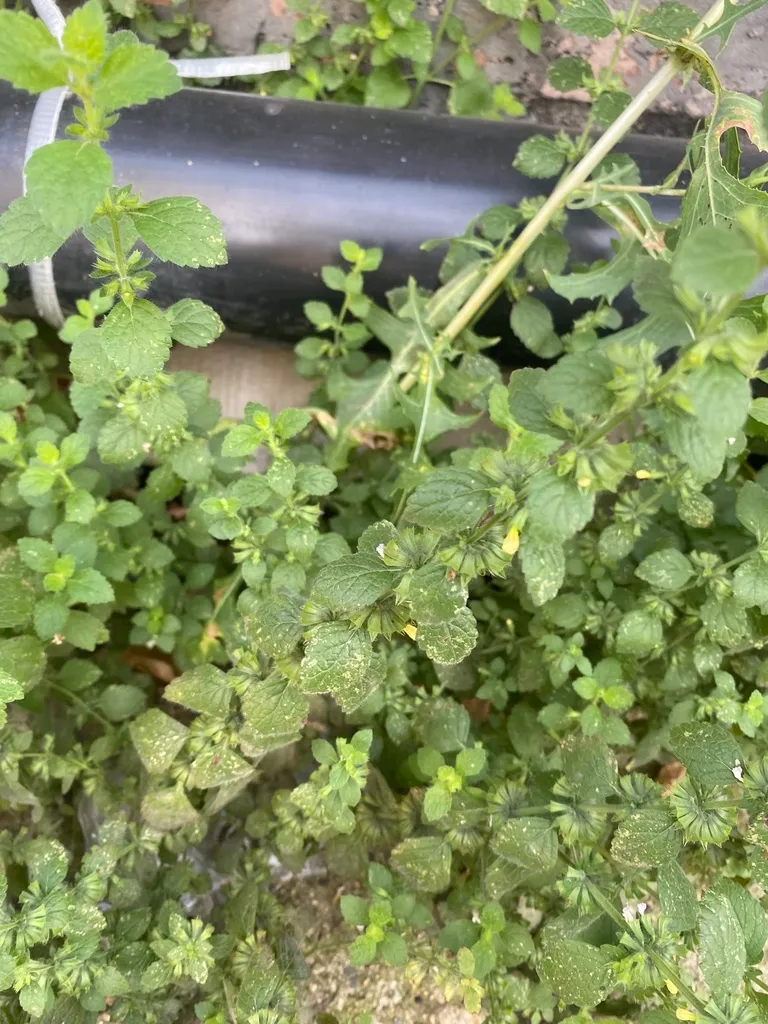
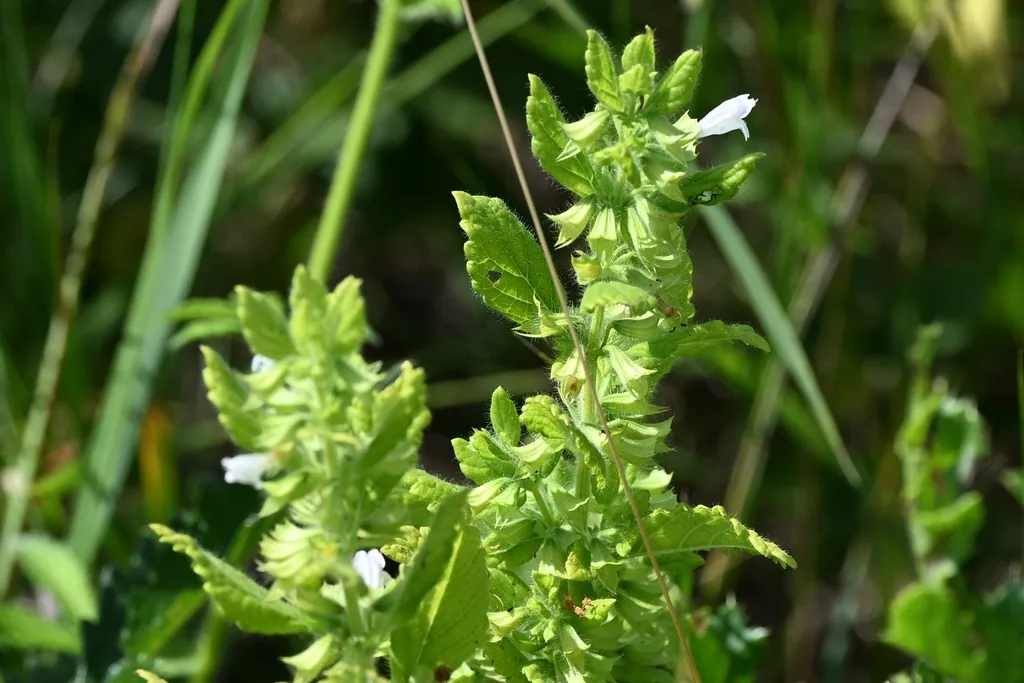
An aromatic, bushy perennial up to 1m tall and wide. Heart-shaped leaves are lemon-scented with scalloped edges are 2-8 cm long. Leafy spikes of creamy-white or pale purple flowers are full of nectar, attracting bees and other pollinators in summer. The leaves are often used as a culinary herb
Scientific classification
- Species
- lemon balm (Melissa officinalis)
- Genus
- Melissa
- Family
- Lamiaceae
- Order
- Lamiales
- Class
- Magnoliopsida
- Phylum
- Tracheophyta
- Information to be completed
- Toxicity
- Herbaceous Perennial · Herbs - Culinary
- Plant type
- 0.5-1 metres
- Height
- 0.1-0.5 metres
- Spread
- Deciduous
- Foliage
- Bushy
- Habit
- Spring · Summer · Autumn
- Season of interest
- Full sun · Partial shade
- Sunlight
- 15 – 25 °C
- Ideal temperature









lemon balm pictures
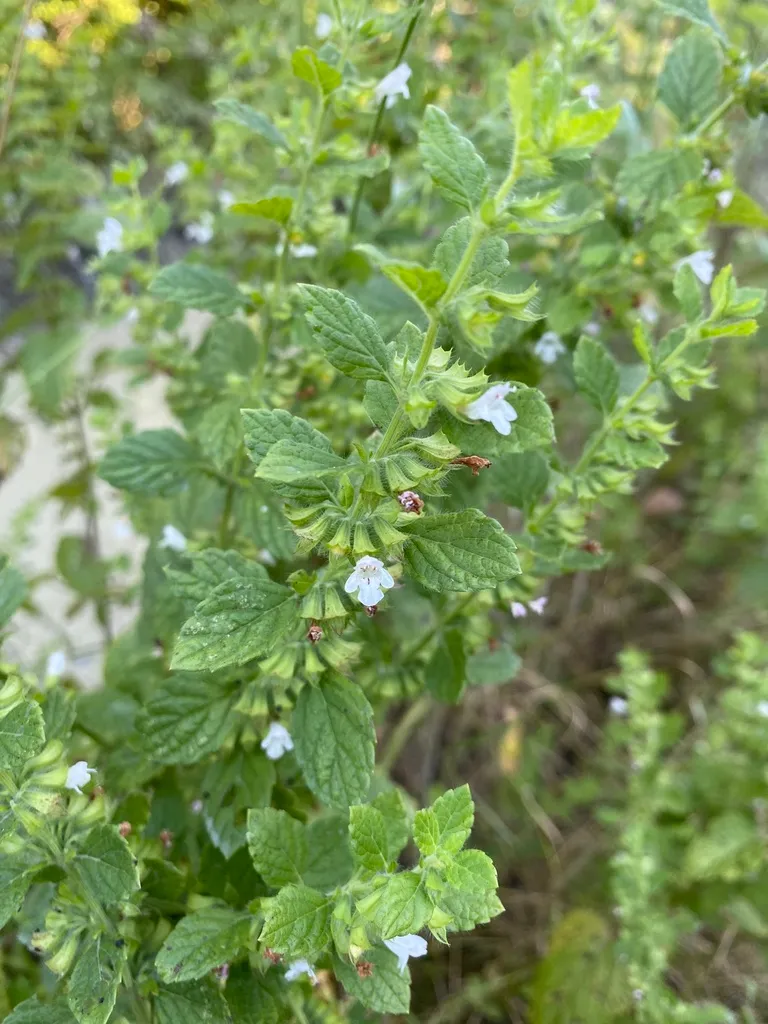
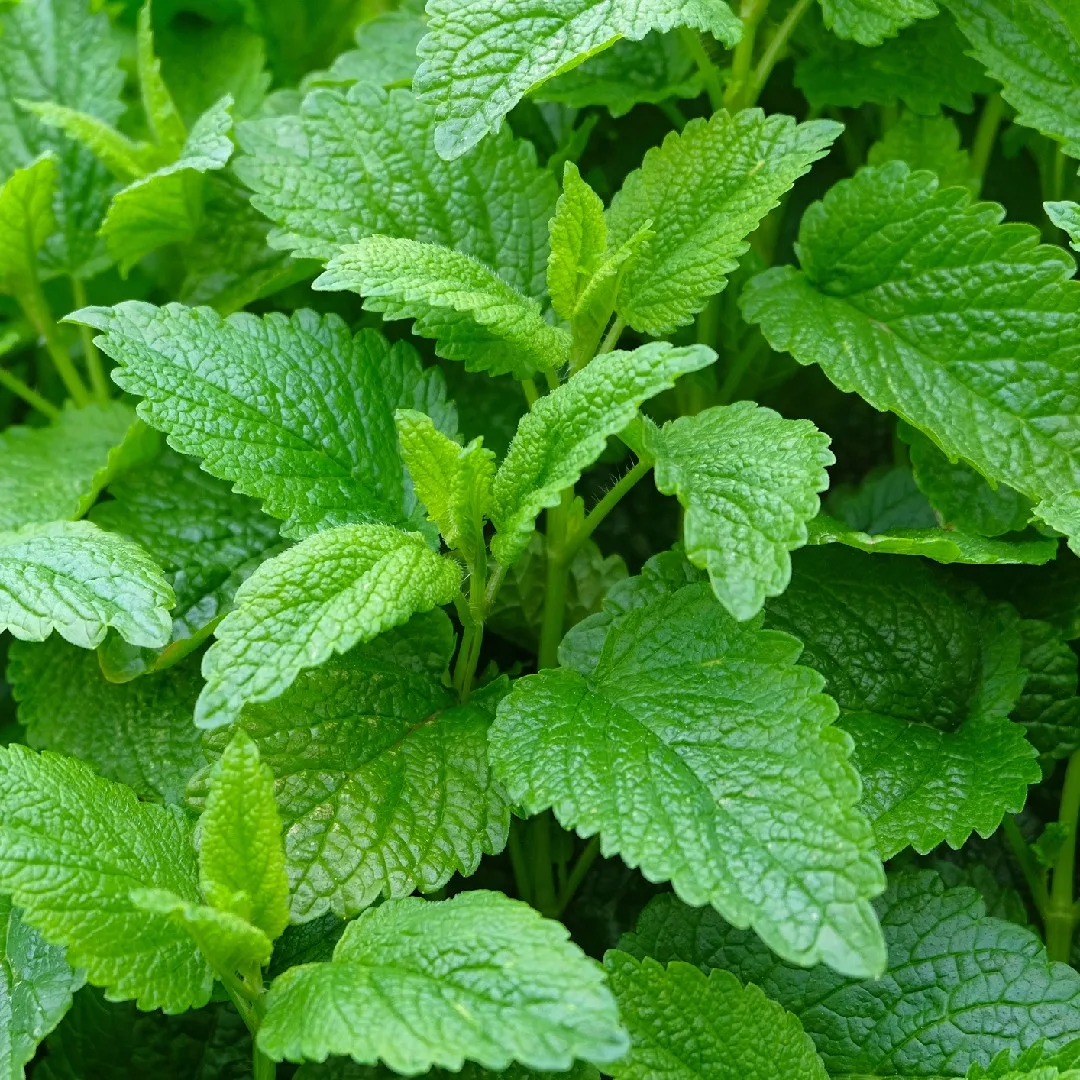
Distribution of lemon balm
Distribution map
- Native
- Introduced
- Cultivated
Source:WCVP v16 · Royal Botanic Gardens, Kew · CC BY 3.0 · Boundaries:WGSRPD / TDWG
lemon balm care guide
- Moderate regular watering, avoid prolonged drought and stagnant waterlogging
- Watering
- Full sun · Partial shade
- Sunlight
- 15 – 25 °C
- Ideal temperature

Watering
Moderate regular watering, avoid prolonged drought and stagnant waterlogging
Fertilizing
 Fertilizing
Balanced perennial feed every four weeks spring through summer growth
Pruning
 Pruning
Cut back hard after flowering to promote fresh leaf growth and to prevent self-seeding. See lemon-balm cultivation for more advice
Propagation
 Propagation
Propagate by seed or by division in spring or autumn
Growing
 Growing
Grow in any moist soil, in full sun or partial shade. Protect from excessive winter wet
Common pests and diseases
Diseases
Generally disease-free. Verticillium wilt may rarely occur
Pests
May be susceptible to sage leafhopper
Explore the plant health library →




