
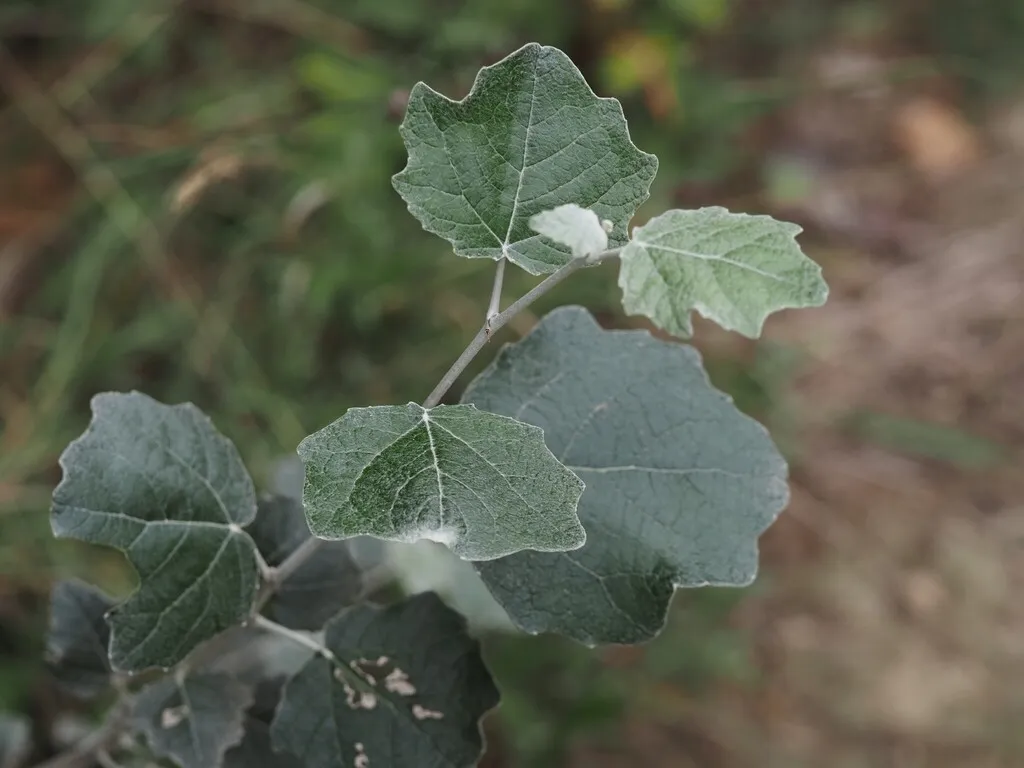



white poplar

white poplar · Fertilizing

white poplar · Populus alba
Also known as: abbey; abele; Dutch beech; silver-leaved poplar; white asp

White poplar is a robust and adaptable tree, often found in a variety of climates and soil types, suggesting a straightforward care routine. Special care points include tolerance for pruning, which is beneficial for maintaining shape and health, and a preference for full sun exposure to optimize growth. Another consideration is the tree's vigorous root system which can disrupt pavements or buildings if planted too close.

Watering: Deep regular watering in first years, mature trees withstand mild droughtSunlight: Full sunInformation to be completed

How to Fertilize white poplar?

For optimal vigor, white poplar benefits from fertilization that enhances growth and plant health. Use balanced fertilizers in spring and high-nitrogen variants during active growth. Apply quarterly, adjusting amounts based on size and age of white poplar, smaller quantities for young trees. Over-fertilization can harm; avoid runoff to protect local ecosystems. Seasonal growth variations influence nutrient needs; less in fall to prepare for dormancy. Practical tip: incorporate fertilizer into the soil around white poplar for root uptake, avoiding direct contact with trunk.