
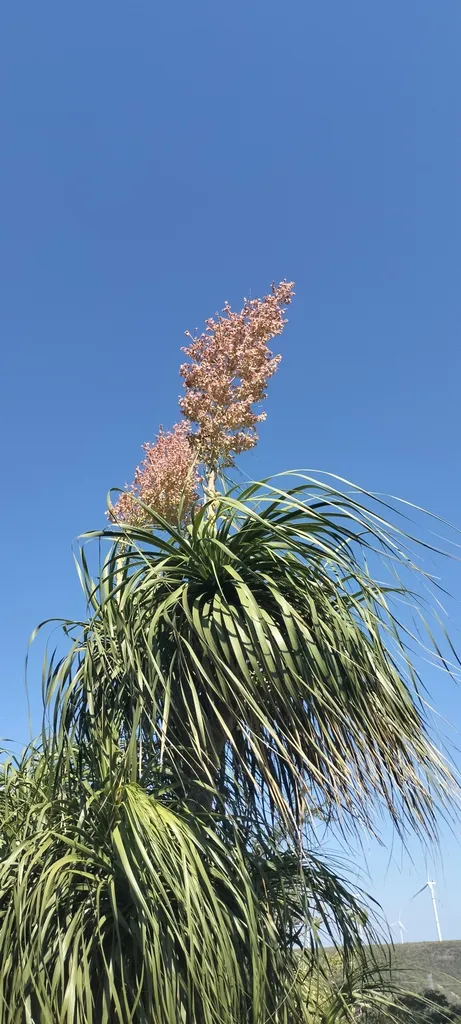



elephant's foot

elephant's foot · Fertilizing

elephant's foot · Beaucarnea recurvata
Also known as: pony tail; bottle palm; elephant foot tree

Ponytail palm thrives on minimal care, making it an ideal choice for those seeking an undemanding houseplant. It requires infrequent watering, only when the soil is completely dry, due to its ability to store water in its swollen base. Bright light is essential, although ponytail palm can tolerate some degree of shade. Avoid overwatering as this can lead to root rot, which is the primary challenge when caring for ponytail palm.

Watering: Moderate regular watering, allowing brief slight drying between soakingsSunlight: Full sunInformation to be completed

How to Fertilize elephant's foot?

Ponytail palm thrives with fertilization promoting robust health and growth. Utilize succulents and cacti food every 2-3 months during the growing season (spring and summer), scaling back in fall, and ceasing in winter. A quarter strength of the recommended dose is typically sufficient, preventing over-fertilization harmful to ponytail palm's roots. For effective fertilization, apply when the soil is moist. Seasonal variations are key; less is needed when growth slows. Always follow the specific instructions of the chosen fertilizer to support ponytail palm's growth needs.

PlantCare

Your Ultimate Guide to Plants

Identify, grow and nurture the better way!

PlantCare plant identification and care illustration
PlantCare

Botanist in your pocket

Scan to download PlantCareDownload on the App Store

Scan the QR code with your phone camera to download the app