



Planting and Growing elephant's foot

| Care difficulty | 1 / 5 |
|---|---|
| Watering schedule | Moderate regular watering, allowing brief slight drying between soakings |
| Sunlight requirements | Full sun |
| Ideal temperature | 18 – 28 °C |
| Soil type | Chalk · Clay · Loam · Sand |
| Soil pH | Acid · Alkaline · Neutral |
| Soil moisture | Well drained |
| Fertilizing | Balanced perennial feed every four weeks from spring through summer |
| Toxicity | Information to be completed |
How to Water elephant's foot?
Ponytail palm thrives in arid conditions, mirroring its native semi-desert habitat where it has adapted to long periods without water. This species is drought-tolerant and prefers a dry environment with low humidity levels. Watering should be sparse, approximately once every three weeks, ensuring the soil dries out between sessions. Ponytail palm is typically grown indoors due to its adaptability to low-water indoor climates. It's worth noting that as an evergreen plant, ponytail palm's water retention capabilities allow it to remain lush year-round despite infrequent watering.
Learn more →What Are the Sunlight Requirements for elephant's foot?
Ponytail palm thrives in environments with partial sun, basking in bright, indirect light which bolsters its robust growth and enhances flowering potential. Despite this preference, ponytail palm tolerates both full sun and full shade, though full sun exposure can lead to optimal growth, whereas full shade may hinder vitality and reduce flowering. In response to varying light levels, ponytail palm may exhibit leaf adaptations, typically witnessing a color intensification under brighter light. When cultivated indoors, placement near a south-facing window is ideal. Outdoors, ponytail palm should be positioned where it can enjoy morning sunlight while being protected from the intense afternoon rays.
Learn more →What Is the Ideal Temperature Range for elephant's foot?

Ponytail palm exhibits a remarkable tolerance to temperature extremes, enduring cold down to 0℃ (32℉) and heat up to 45℃ (113℉). This adaptability means ponytail palm can withstand a range of climates, but it requires special care during extreme conditions. In cold weather, ponytail palm may suffer leaf damage or root stress; in excessive heat, wilting or browning tips may occur. Protective measures—such as moving the plant indoors during frost or providing shade during intense heat—are vital. Symptoms of stress like frost damage or heat-induced wilting necessitate immediate countermeasures, including adjusting the environment and ensuring adequate hydration.
Learn more →What Soil Is Best for elephant's foot?
- Soil type
- Chalk · Clay · Loam · Sand
- Soil pH
- Acid · Alkaline · Neutral
What Are the Moisture Requirements for elephant's foot?
Well drained
Learn more →How to Fertilize elephant's foot?

Ponytail palm thrives with fertilization promoting robust health and growth. Utilize succulents and cacti food every 2-3 months during the growing season (spring and summer), scaling back in fall, and ceasing in winter. A quarter strength of the recommended dose is typically sufficient, preventing over-fertilization harmful to ponytail palm's roots. For effective fertilization, apply when the soil is moist. Seasonal variations are key; less is needed when growth slows. Always follow the specific instructions of the chosen fertilizer to support ponytail palm's growth needs.
Learn more →How to Prune elephant's foot?

No pruning required
Learn more →How to Propagate elephant's foot?

Ponytail palm can be propagated in the Spring or Summer using herbaceous cuttings. This method can be moderately difficult, but signs of successful propagation include the emergence of roots and new growth. To increase success, ensure the cuttings are taken from healthy, mature plants and kept consistently moist until rooted.
Learn more →How to Transplant elephant's foot?
Greet ponytail palm with a new home during the perfect window of early to mid-spring, as this period allows it to settle before summer's heat. Choose a sunny, well-draining location and, if desired, incorporate transplant tips to ensure a thriving ponytail palm. Remember, happy planting!
Learn more →How to Care for elephant's foot in Winter?

Ponytail palm hails from the arid regions of Mexico, surviving winter periods through water storage in its thickened trunk. As temperatures fall, limit watering to prevent root rot and maintain a warm environment, imitating its native semi-desert climate. Remember, ponytail palm emits a clear message when it's thirsty – wilting leaves. Heed the plant's cues and let its natural adaptations guide your winter care regimen.
Learn more →How to Plant elephant's foot?
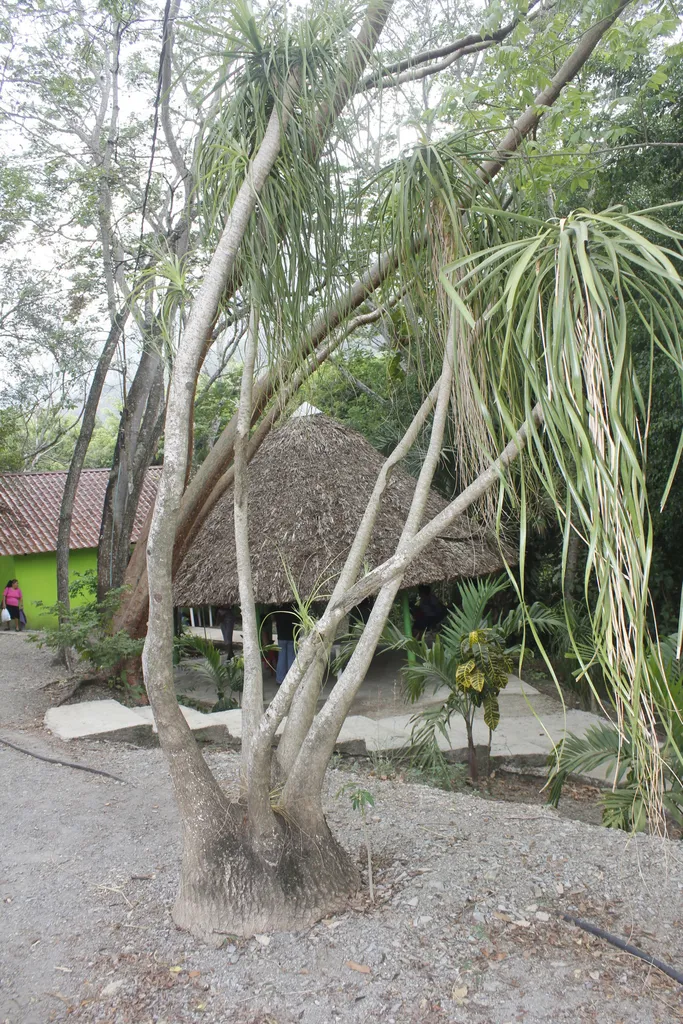
Indoors-potted: In a cozy indoor setting, ponytail palm thrives with bright ambient light and enjoys being the eye-catching centerpiece of your living space. Outdoors-potted: When potted outdoors, ponytail palm appreciates a sheltered spot that mimics its natural arid habitat, enhancing its sculptural form. Outdoors-in the ground: Planted in the ground, ponytail palm requires minimal care, naturally adapting to outdoor conditions while adding an exotic touch to garden landscapes.
Learn more →How to Repot elephant's foot?
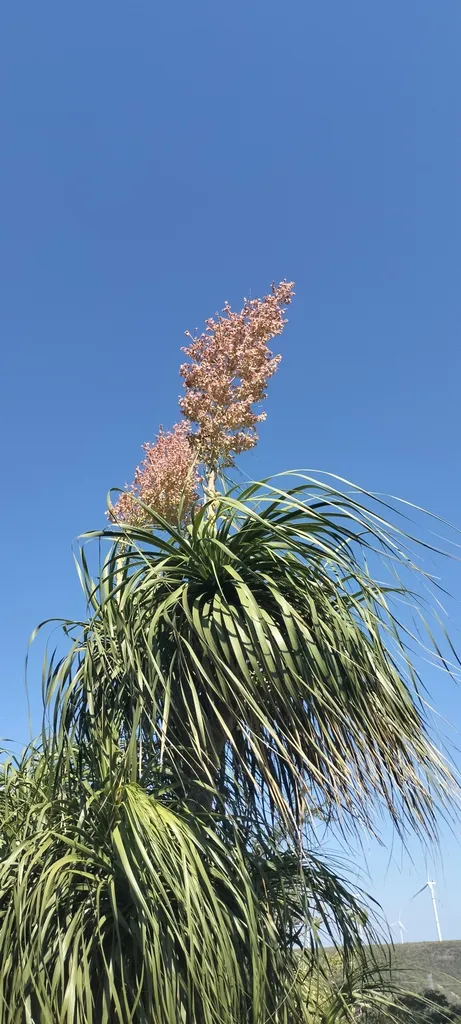
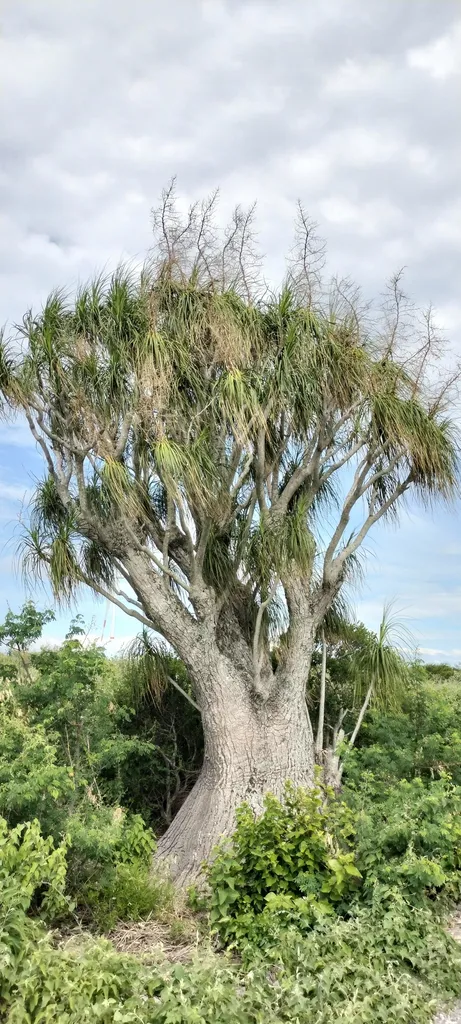
Repot ponytail palm every 2 years during spring to accommodate its slow growth; this timing allows it to recover in the active growth season. Choose a pot only slightly larger than the swollen base to encourage a snug fit without overly disturbing the roots. Post-repotting, water sparingly and provide bright, indirect light for optimal recovery. Ponytail palm has a unique, bulbous stem and long, flowing leaves reminiscent of a fountain.
Learn more →Common Pests & Diseases

Diseases
Generally disease free
Pests
Scale insects may be a problem and glasshouse red spider mite may be a problem under glass
Explore the plant health library →Troubleshooting
Soft, Mushy Trunk Base and Yellowing Lower Leaves
Beaucarnea recurvata (ponytail palm / elephant's foot) is an arid-adapted tree relative in Asparagaceae—not a true palm—that stores water in its swollen woody trunk base and rots quickly if kept in wet soil.
| What you notice | Possible explanation | What to check next |
|---|---|---|
| Many leaves turn yellow and drop while the swollen trunk base feels soft, spongy, or indented | Overwatering, poorly draining potting mix, or trunk/root rot | Stop watering immediately, empty standing water, and inspect the roots and trunk base for soft decay. |
| A few lowest strap-like leaves gradually turn yellow-brown and dry while the top tuft stays upright and green | Normal aging of lower leaves as the trunk lengthens | Pull or trim spent bottom leaves cleanly away from the trunk. |
- Allow the gritty potting mix to dry out almost completely from top to bottom between waterings, and water very sparingly in winter.
- Grow in a fast-draining cactus/succulent mix (high in pumice, perlite, or coarse grit) in a sturdy, well-drained container.
- If root rot occurs early while the trunk remains firm, remove wet soil, trim rotted roots, and repot into dry gritty mix, waiting several days before watering lightly.
Never repot a ponytail palm into an oversized pot; its root system is compact and prefers a snug container that dries rapidly.
Brown Leaf Tips and Dry-Air Pests
Crispy brown tips on the long arching ribbon leaves are common indoors due to low humidity, tap water salts, or physical brushing against the tips.
| What you notice | Possible explanation | What to check next |
|---|---|---|
| Ends of the long arching leaves turn brown and dry while blades remain green | Low indoor humidity, tap water fluoride/salts, or physical tip bruising | Review water quality and placement away from heavy foot traffic and heating vents. |
| White cottony tufts hide deep inside the crown leaf bases or sticky residue coats leaves | Mealybugs or scale insects | Part the central leaf bases gently to inspect for mealybugs or scale before treating. |
- Place in bright light with several hours of direct sun or very bright indirect light (acclimating gradually if moved from shade).
- Water with rainwater, distilled water, or filtered water if tap water causes tip burn, and trim brown tips neatly at an angle without cutting into green tissue.
- Feed very lightly once or twice during spring and summer with a diluted balanced fertilizer, and skip feeding in winter.
- Beaucarnea recurvata is listed as non-toxic to cats and dogs by the ASPCA.
Cats often love batting at the fountain-like ribbons of ponytail palm; while non-toxic, heavy chewing can shred the leaf tips.