
elephant's foot
Also known as: pony tail; bottle palm; elephant foot tree
An evergreen perennial to 2m or more, forming a bulbous trunk-like stem bearing a dense rosette of spreading to recurved, sword-shaped leaves to 1m in length. Panicles of small white flowers are rarely produced
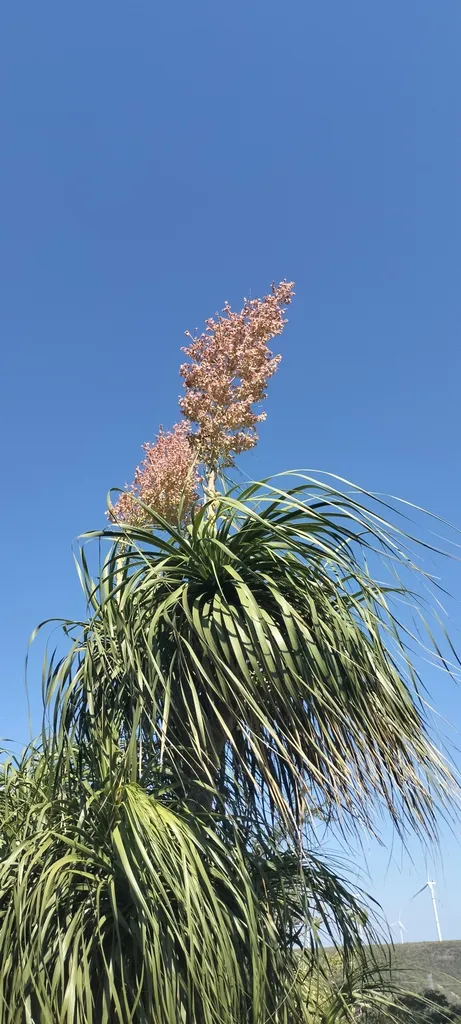
Scientific classification
- Species
- elephant's foot (Beaucarnea recurvata)
- Genus
- Beaucarnea
- Family
- Asparagaceae
- Order
- Asparagales
- Class
- Liliopsida
- Phylum
- Magnoliophyta
- Information to be completed
- Toxicity
- Conservatory Greenhouse
- Plant type
- 1.5-2.5 metres
- Height
- 1-1.5 metres
- Spread
- Evergreen
- Foliage
- Bushy
- Habit
- Spring · Summer · Autumn · Winter
- Season of interest
- Full sun
- Sunlight
- 18 – 28 °C
- Ideal temperature









elephant's foot pictures
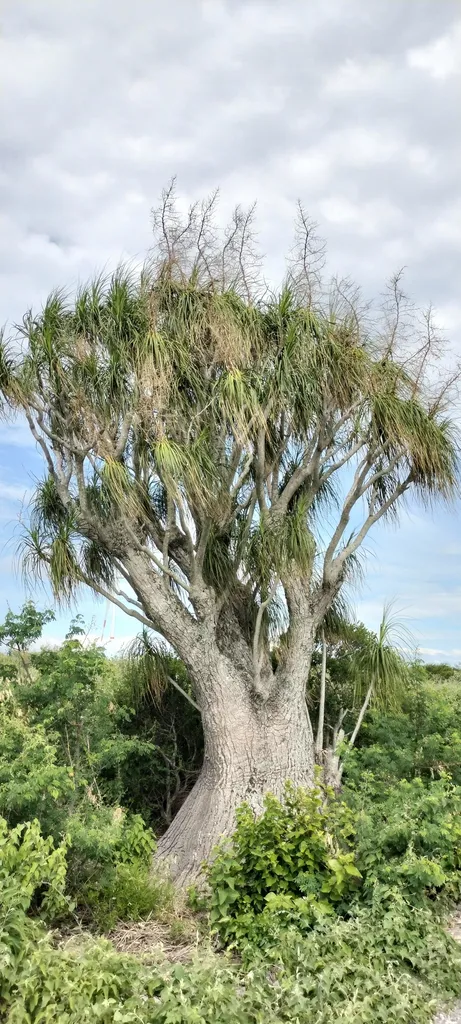
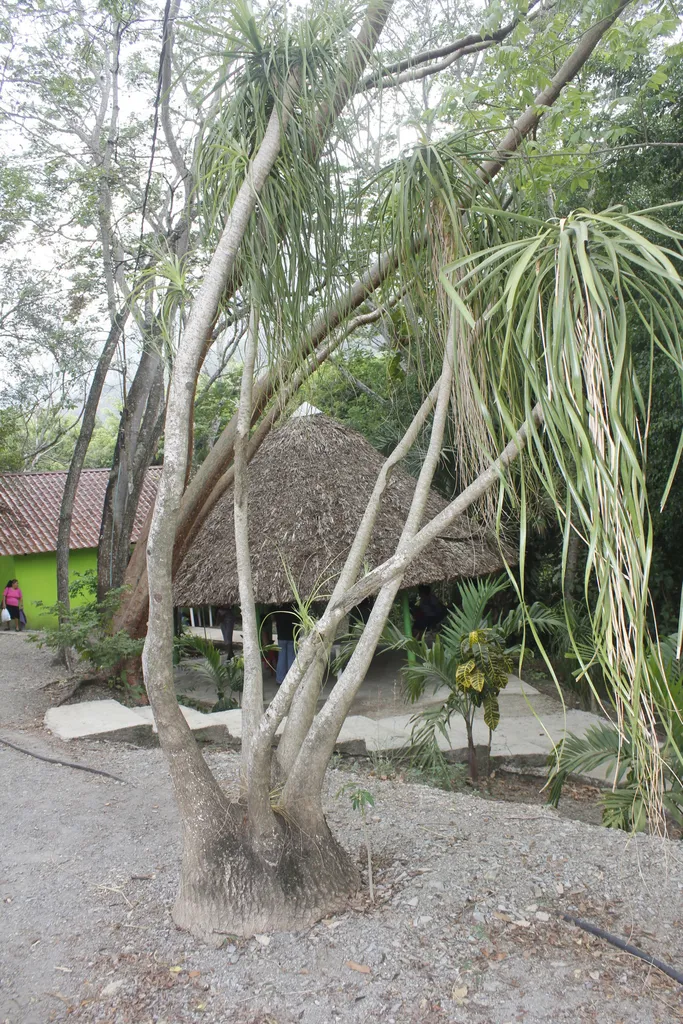
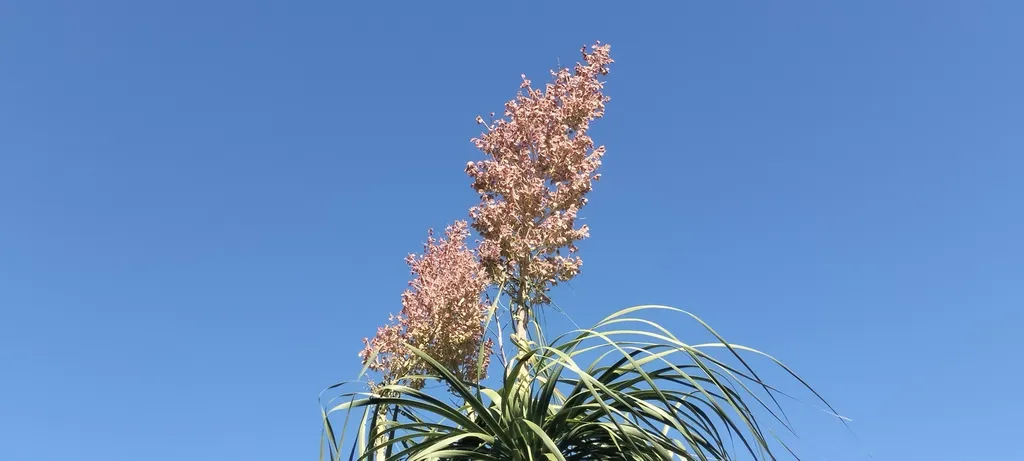
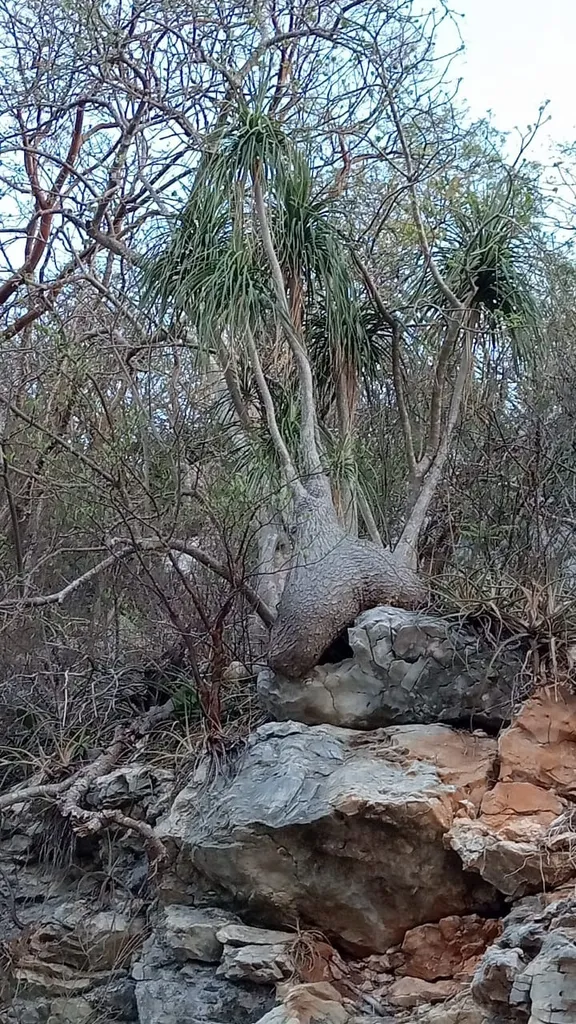
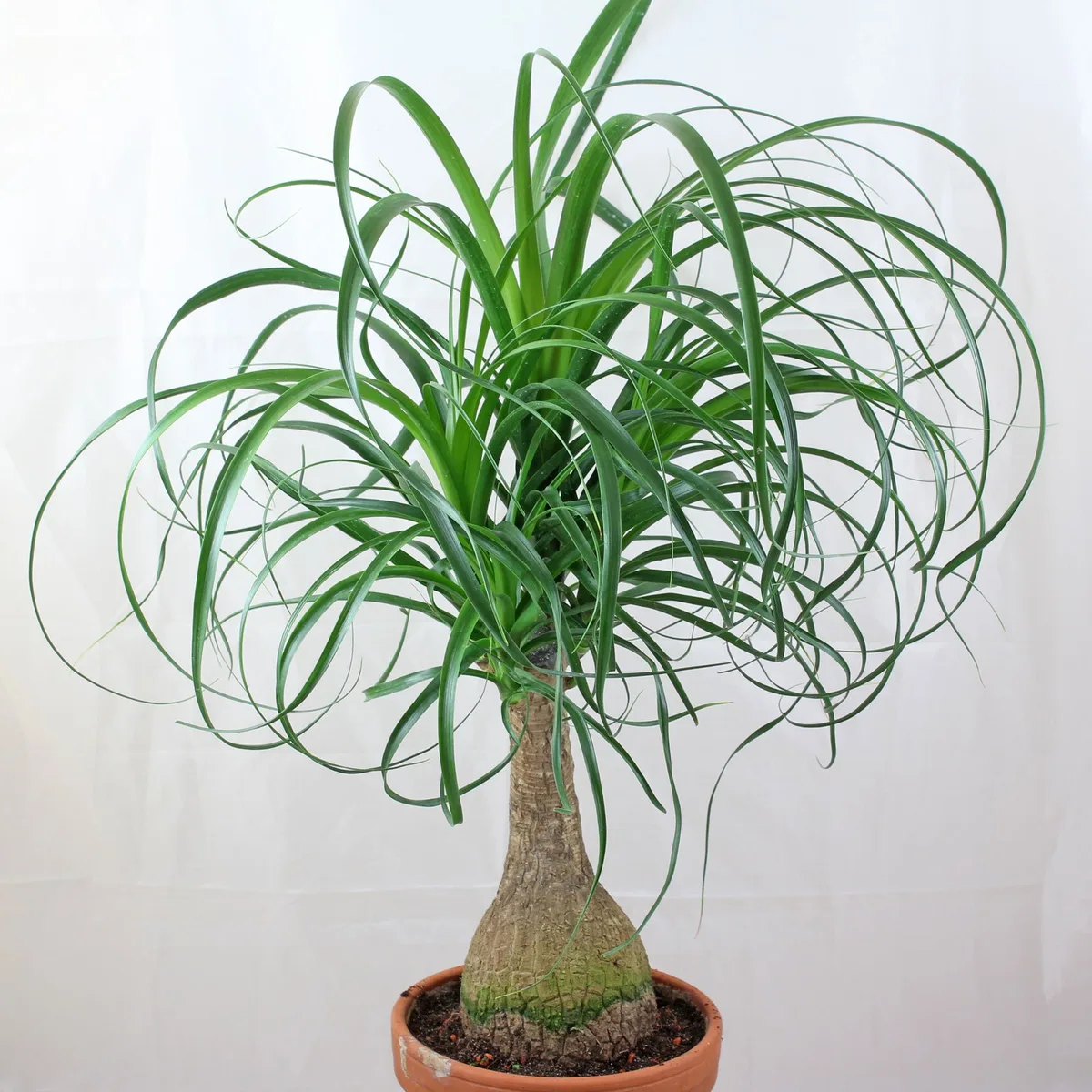
Distribution of elephant's foot
Distribution map
- Native
- Introduced
- Cultivated
Source:WCVP v16 · Royal Botanic Gardens, Kew · CC BY 3.0 · Boundaries:WGSRPD / TDWG
elephant's foot care guide
- Moderate regular watering, allowing brief slight drying between soakings
- Watering
- Full sun
- Sunlight
- 18 – 28 °C
- Ideal temperature

Watering
Moderate regular watering, allowing brief slight drying between soakings
Fertilizing
 Fertilizing
Balanced perennial feed every four weeks from spring through summer
Pruning
 Pruning
No pruning required
Propagation
 Propagation
Propagate by seed sown at 18 to 21°C in spring or root offsets in spring
Growing
 Growing
Under glass grow in loam-based potting compost in full light. Water moderately when in growth and keep just moist in winter. Top dress or pot on in spring. May be grown outdoors in most moderately fertile, sharply drained soils
Common pests and diseases
Diseases
Generally disease free
Pests
Scale insects may be a problem and glasshouse red spider mite may be a problem under glass
Explore the plant health library →




