
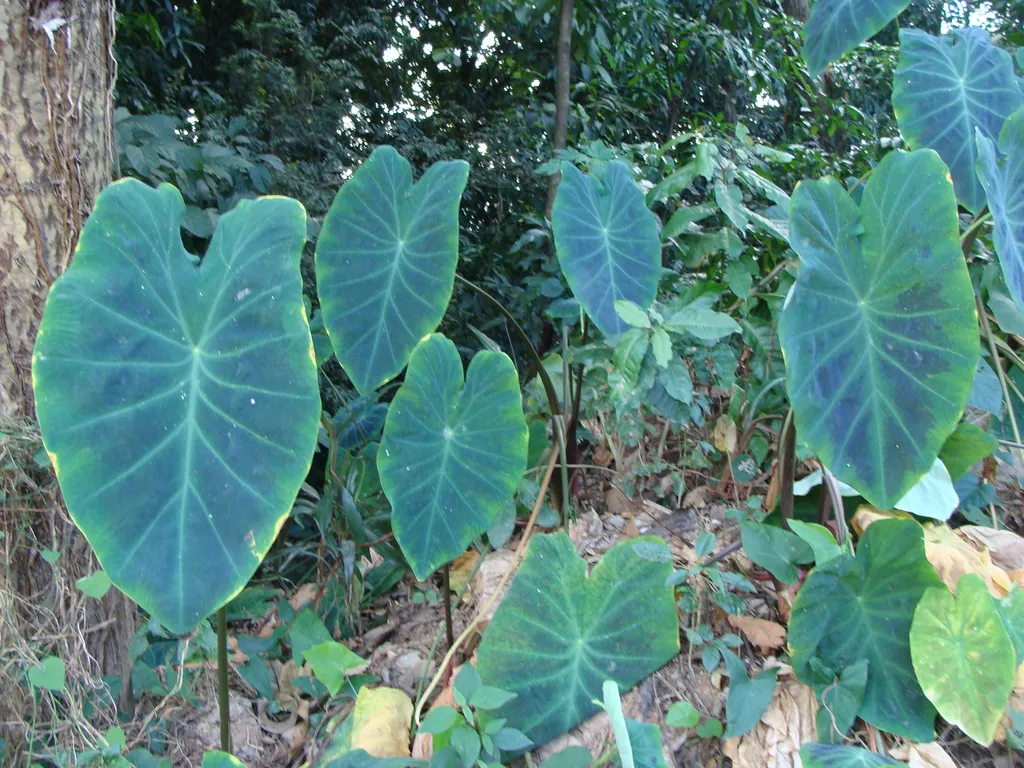



taro

taro · Fertilizing

taro · Colocasia esculenta
Also known as: aivi; bleeding heart; callaloo; cocoyam; dalo; dasheen; eddo; Egyptian ginger; elephant ears; imo; kalo; keladi; talas; Arabian cocoa root; Egyptian cocoa root

Taro is generally known for its lush, tropical foliage and is considered easy to care for. Key care points include maintaining consistently moist soil without waterlogging, as well as providing bright, indirect light. Special attention should be given to its sensitivity to cold temperatures; taro should be protected from frost and ideally kept in a warm environment to thrive. Overall, with minimal effort, taro can be a rewarding addition to any plant collection.

Watering: Moderate regular watering, allowing brief slight drying between soakingsSunlight: Partial shadeHarmful if eaten, skin/eye irritant. Wear gloves and other protective equipment when handling]

How to Fertilize taro?

For optimal growth, taro benefits from a balanced high-phosphorus and potassium fertilizer to fuel its large, lush foliage and robust root system. Apply a granular, slow-release formula every two months during the growing season, halving the dose in winter. Carefully measured, adhere to package instructions to prevent root burn. Seasonal adjustment is key; increase feeding frequency in spring and summer to support vigorous growth. When fertilizing, consider taro's sensitivity to salt buildup - flush the soil periodically to maintain health. Novice and expert gardeners should ensure even distribution around the plant's base, avoiding direct contact with stems and leaves.

PlantCare

Your Ultimate Guide to Plants

Identify, grow and nurture the better way!

PlantCare plant identification and care illustration
PlantCare

Botanist in your pocket

Scan to download PlantCareDownload on the App Store

Scan the QR code with your phone camera to download the app