
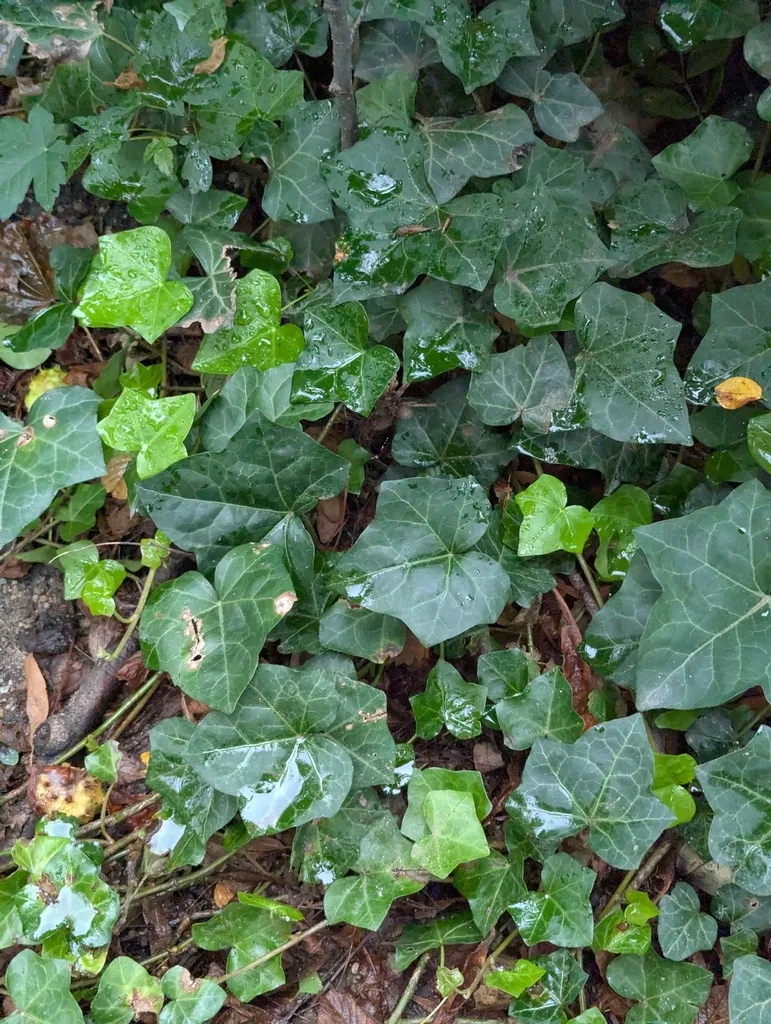



common ivy

common ivy · Fertilizing

common ivy · Hedera helix
Also known as: common English ivy; European ivy

English ivy is a highly adaptable and vigorous plant, with a low level of care difficulty. Key care points include ensuring adequate indirect light and maintaining moist soil without letting it become waterlogged. Special attention should be given to its invasive nature; english ivy requires regular pruning to manage growth and prevent it from overrunning spaces.

Watering: Water when top inch of soil is drySunlight: Full shade · Full sun · Partial shadeHarmful if eaten, skin irritant. Wear gloves and other protective equipment when handling]

How to Fertilize common ivy?

To nurture english ivy, choose balanced nutrition fertilizers or high nitrogen options for vigorous growth. During active growth in spring and summer, fertilize every 2-4 weeks; in fall and winter, reduce to bi-monthly or cease. A quarter to half-strength recommended dilution is sufficient. Over-fertilization risks root burn—observe plant response and adjust. Seasonal growth spurts demand more nutrients, but in dormancy, english ivy’s fertilization needs diminish. For effective application, water english ivy first to prevent root burn and ensure even nutrient distribution.