
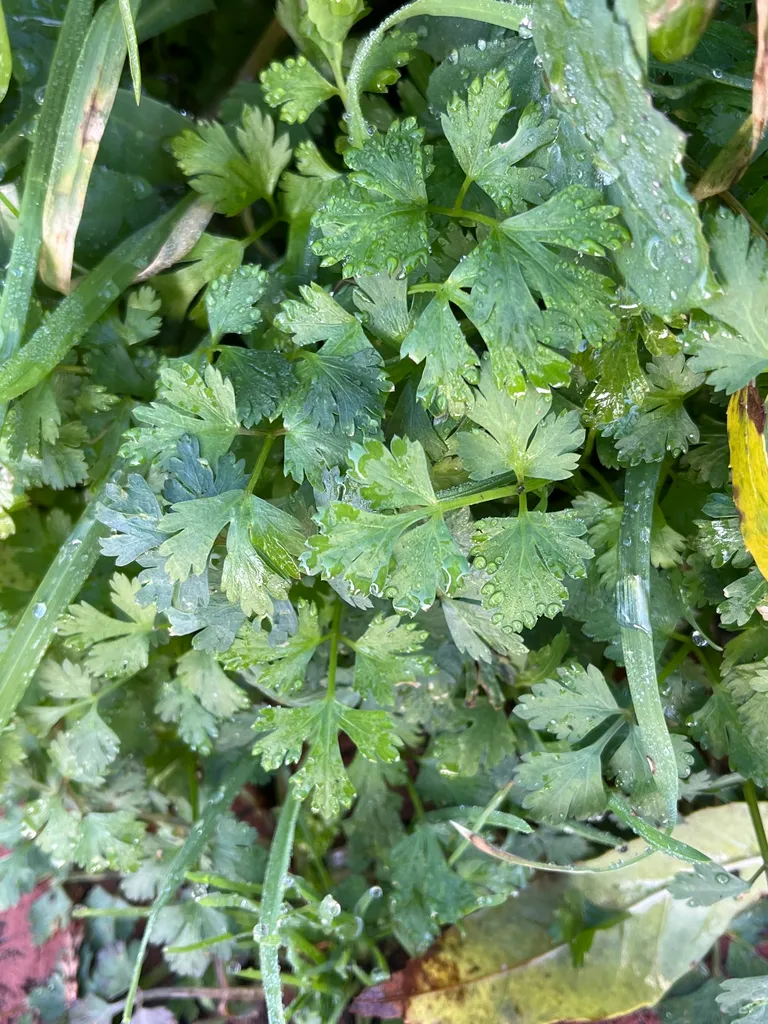



coriander

coriander · Fertilizing

coriander · Coriandrum sativum
Also known as: Chinese parsley; cilantro

Coriander requires abundant sunlight and thrives in a well-draining soil medium. Special care should be given to watering practices; consistently moist soil is key, but it’s crucial to avoid overwatering which can lead to root rot. Attention should also be paid to promptly harvesting leaves to encourage new growth and prevent the plant from bolting, as once coriander flowers, the leaves can develop a bitter taste.

Watering: Keep soil consistently moist but not waterloggedSunlight: Full sun · Partial shadeInformation to be completed

How to Fertilize coriander?

For the lush growth of coriander, use high nitrogen fertilizers every 4-6 weeks, starting from the seeding stage until full maturity. A balanced liquid fertilizer with an NPK ratio close to 2-1-2 is ideal, applied at half strength to avoid overfeeding. Fertilization enhances vegetative growth, leaf quality, and prepares coriander for robust development. In cooler seasons, reduce frequency to align with slowed growth. Always water coriander before fertilization to prevent root burn and ensure nutrient absorption. Monitor coriander for signs of deficiency or excess, adjusting the regimen accordingly.

PlantCare

Your Ultimate Guide to Plants

Identify, grow and nurture the better way!

PlantCare plant identification and care illustration
PlantCare

Botanist in your pocket

Scan to download PlantCareDownload on the App Store

Scan the QR code with your phone camera to download the app