
coriander
Also known as: Chinese parsley; cilantro
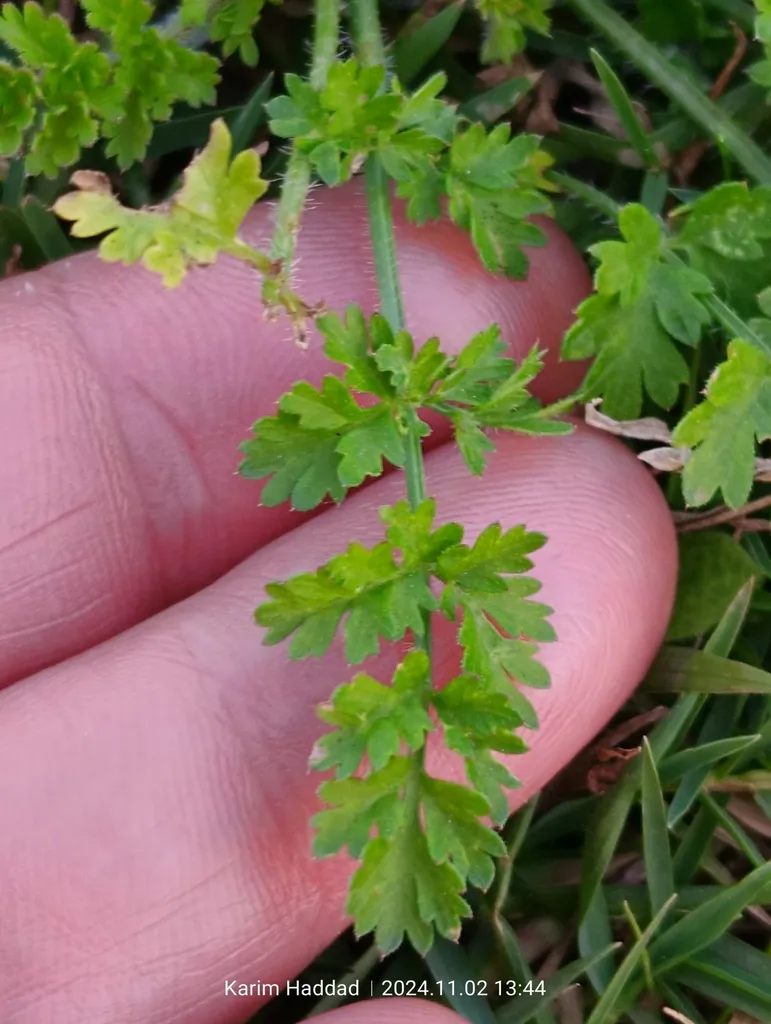
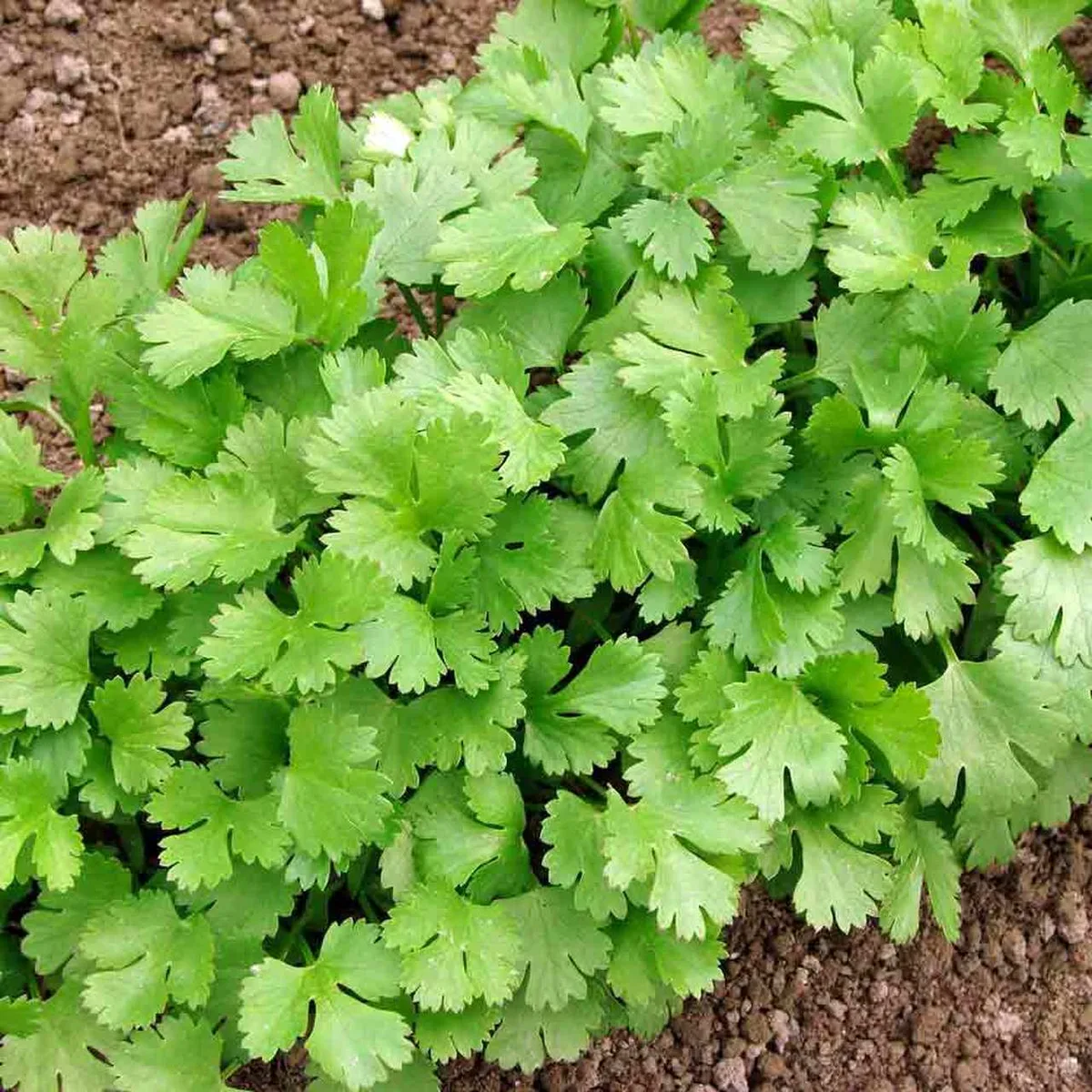
An annual with aromatic, pinnate to 3-pinnate leaves, the upper ones with linear segments, and compound umbels of small white or purplish flowers, followed by aromatic fruits used in cooking
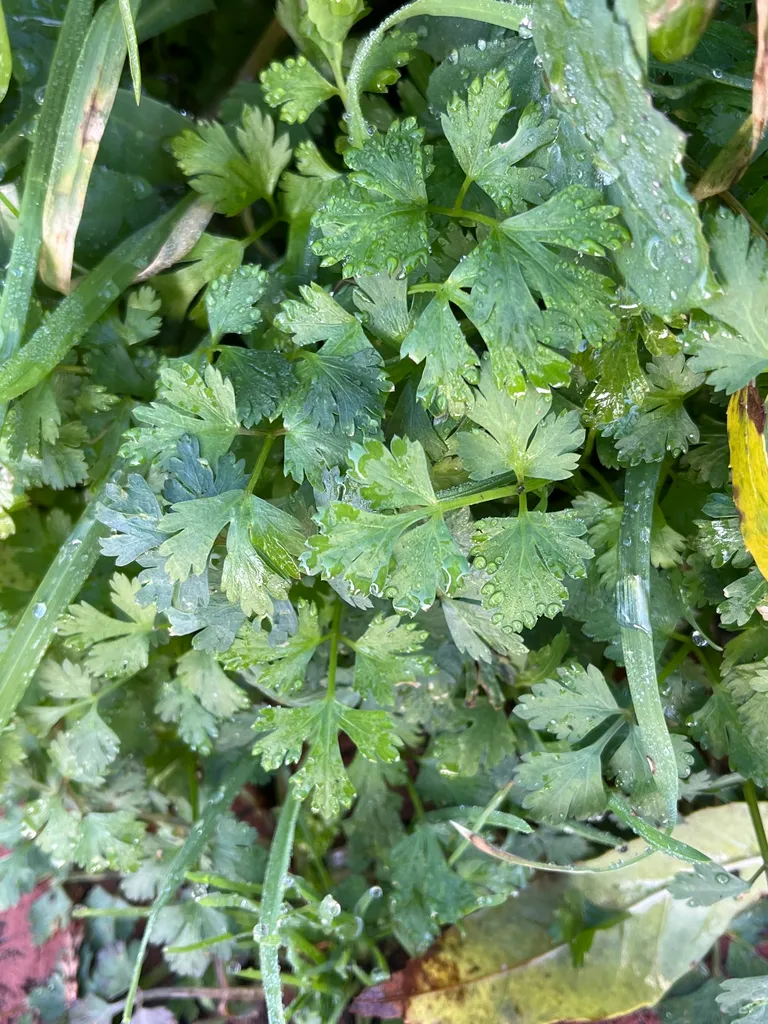
Scientific classification
- Species
- coriander (Coriandrum sativum)
- Genus
- Coriandrum
- Family
- Apiaceae
- Order
- Apiales
- Class
- Magnoliopsida
- Phylum
- Tracheophyta
- Information to be completed
- Toxicity
- Annual Biennial · Herbs - Culinary
- Plant type
- 0.1-0.5 metres
- Height
- 0.1-0.5 metres
- Spread
- Deciduous
- Foliage
- Columnar upright
- Habit
- Spring · Summer · Autumn
- Season of interest
- Full sun · Partial shade
- Sunlight
- 10 – 20 °C
- Ideal temperature









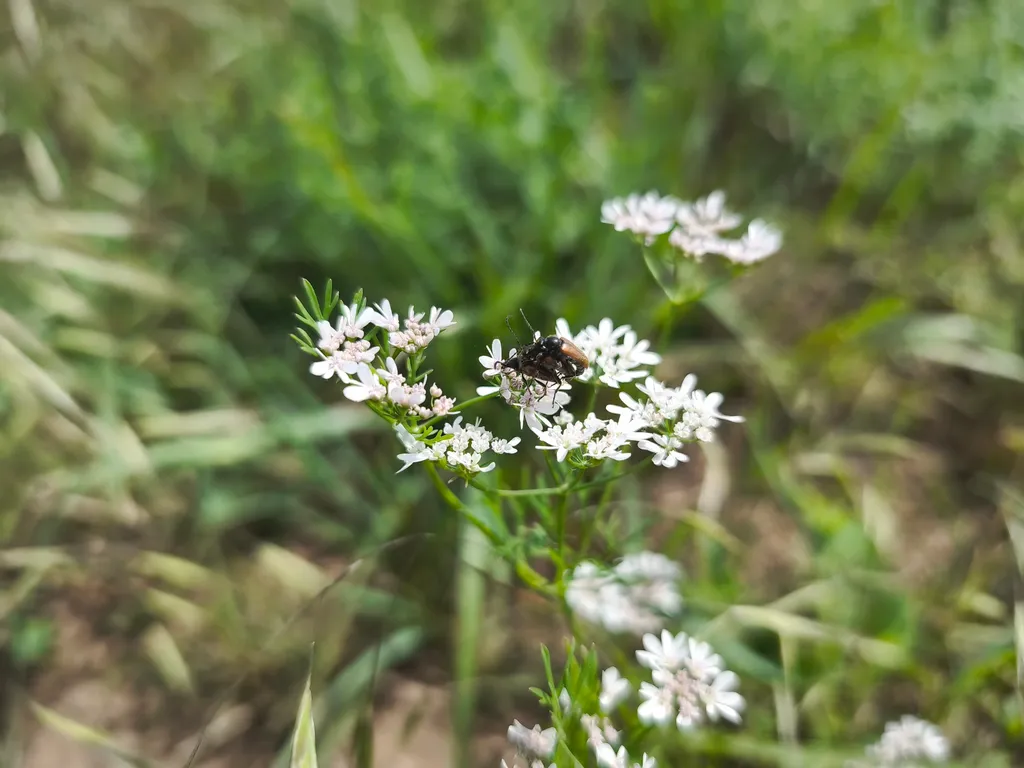
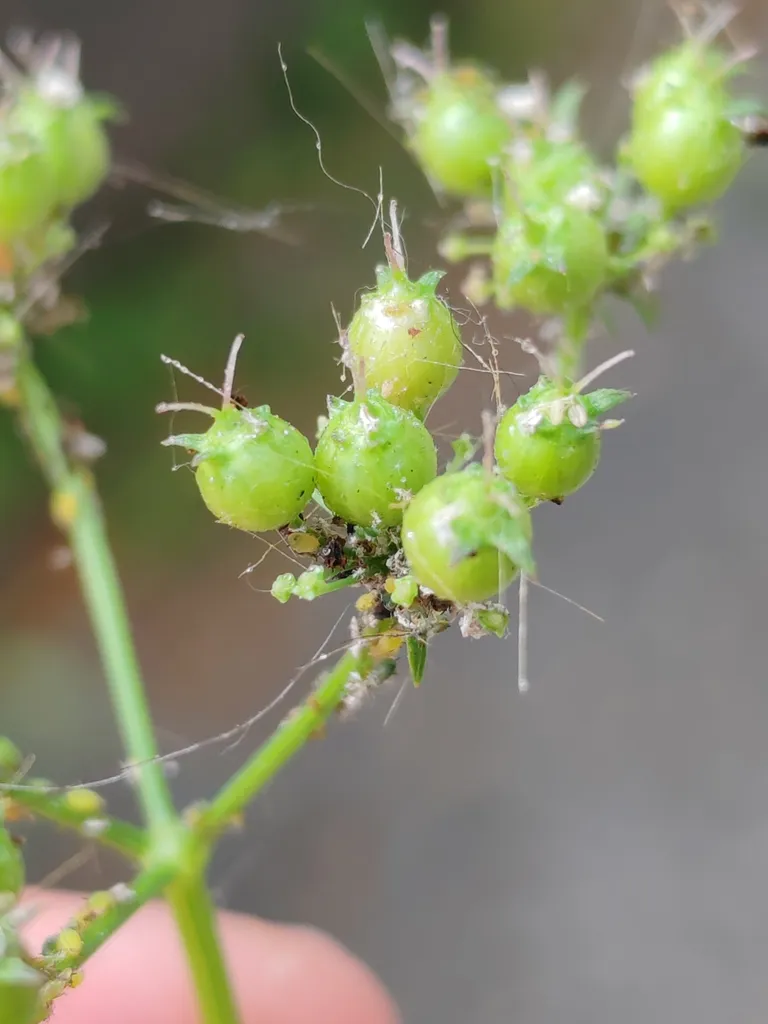
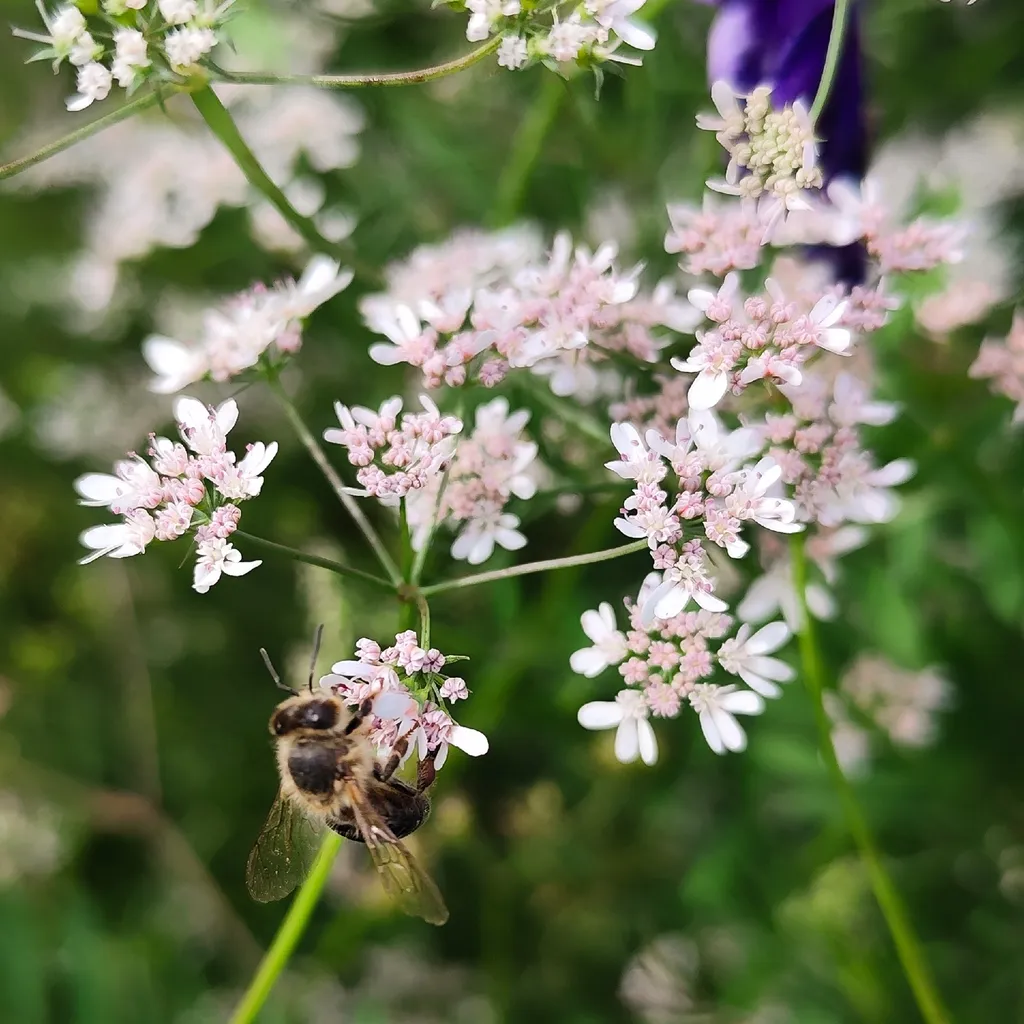
coriander pictures
Distribution of coriander
Distribution map
- Native
- Introduced
- Cultivated
Source:WCVP v16 · Royal Botanic Gardens, Kew · CC BY 3.0 · Boundaries:WGSRPD / TDWG
coriander care guide
- Keep soil consistently moist but not waterlogged
- Watering
- Full sun · Partial shade
- Sunlight
- 10 – 20 °C
- Ideal temperature

Watering
Keep soil consistently moist but not waterlogged
Fertilizing
 Fertilizing
Every 3-4 weeks with liquid fertilizer
Pruning
 Pruning
No pruning required
Propagation
 Propagation
Propagate by seed sown in modules or open ground. Self-seeding is common. See sowing seeds indoors for further advice
Growing
 Growing
Grow in fertile, well drained soil in full sun where seeds are to be gathered. For leaf production partial shade is more productive. Leaves can be picked as required and seeds gathered when ripe. Follow coriander cultivation for more advice.
Common pests and diseases
Diseases
Powdery mildews may occur
Pests
May be susceptible to aphids
Explore the plant health library →




