



Planting and Growing coriander

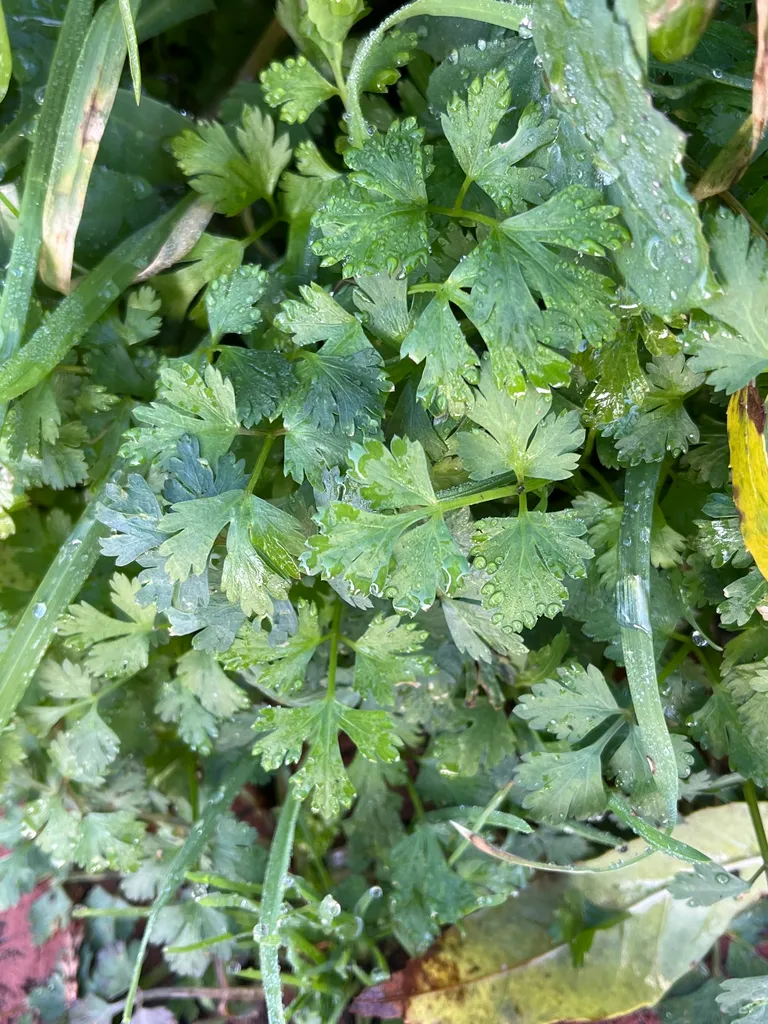
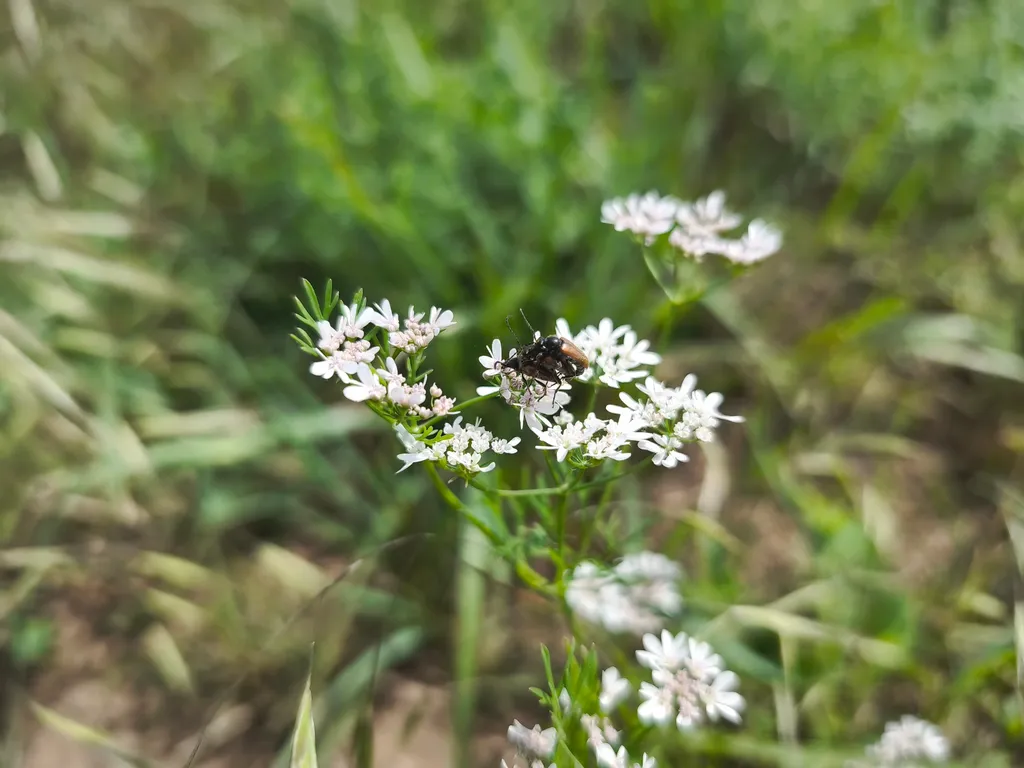
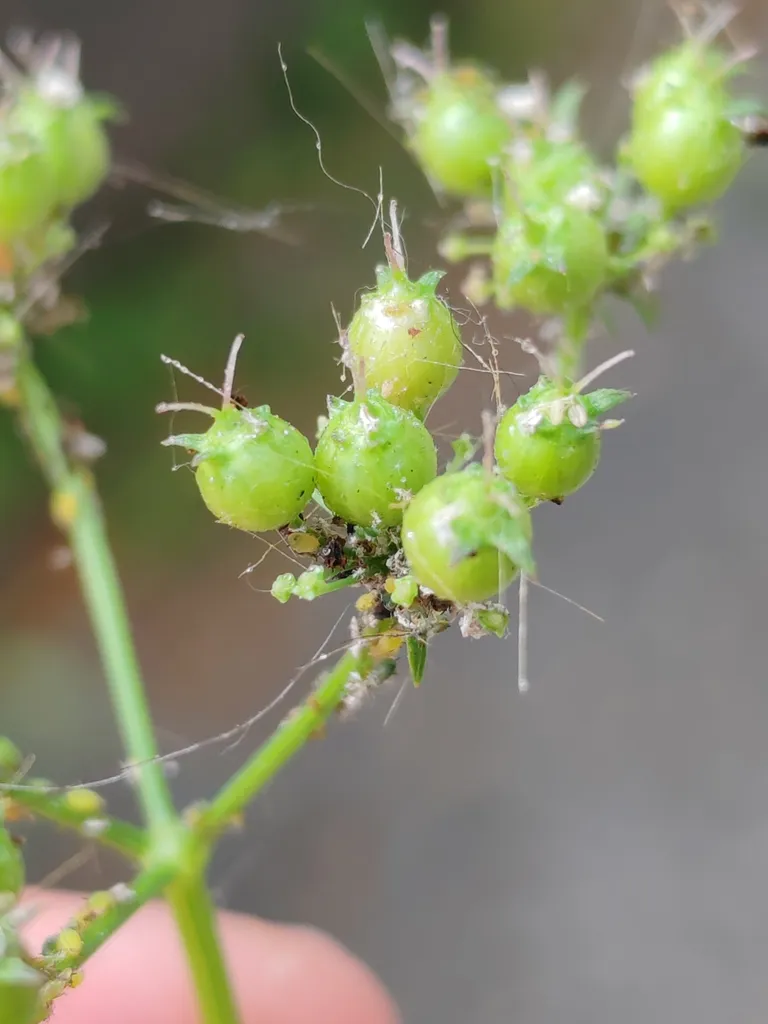
| Care difficulty | 2 / 5 |
|---|---|
| Watering schedule | Keep soil consistently moist but not waterlogged |
| Sunlight requirements | Full sun · Partial shade |
| Ideal temperature | 10 – 20 °C |
| Soil type | Chalk · Loam · Sand |
| Soil pH | Acid · Alkaline · Neutral |
| Soil moisture | Moist but well drained · Well drained |
| Fertilizing | Every 3-4 weeks with liquid fertilizer |
| Toxicity | Information to be completed |
How to Water coriander?
Originating from regions with a moderate climate, coriander has adapted to consistent moisture levels, requiring regular hydration without being waterlogged. It thrives in evenly moist soil, reflecting its intolerance to both drought and over-saturation. Watering should occur twice a week to maintain optimal health. As an herb commonly grown outdoors, coriander benefits significantly from rainwater during its growing season, which naturally supplements irrigation and provides the ideal balance of water for robust foliage production.
Learn more →What Are the Sunlight Requirements for coriander?
Coriander thrives in full sun conditions, which implies direct exposure to sunlight for at least 6 hours per day, fostering robust growth and optimal health. While coriander is tolerant to partial sun, where light is filtered or indirect for a portion of the day, prolonged deviation from its desired bright environment can lead to leggy stems and reduced vigor. In an outdoor setting, coriander should be planted in a spot that receives unobstructed sunlight, especially in the morning. This positioning ensures the plant receives the intense light it prefers, which plays a critical role in its development and productivity.
Learn more →What Is the Ideal Temperature Range for coriander?

10 – 20 °C
Learn more →What Soil Is Best for coriander?
For optimal growth, coriander requires well-aerated soil. A suitable mix can be made by combining garden soil with equal parts of sand and compost to ensure good drainage. Avoid water-logging by using containers with drainage holes. Enhance growth with a balanced fertilizer applied every four to six weeks during the growing season. Supplement with organic matter like well-rotted manure or leaf mold to boost soil structure.
- Soil type
- Chalk · Loam · Sand
- Soil pH
- Acid · Alkaline · Neutral
What Are the Moisture Requirements for coriander?
Moist but well drained · Well drained
Learn more →How to Fertilize coriander?

For the lush growth of coriander, use high nitrogen fertilizers every 4-6 weeks, starting from the seeding stage until full maturity. A balanced liquid fertilizer with an NPK ratio close to 2-1-2 is ideal, applied at half strength to avoid overfeeding. Fertilization enhances vegetative growth, leaf quality, and prepares coriander for robust development. In cooler seasons, reduce frequency to align with slowed growth. Always water coriander before fertilization to prevent root burn and ensure nutrient absorption. Monitor coriander for signs of deficiency or excess, adjusting the regimen accordingly.
Learn more →How to Prune coriander?

Recognized for its feathery leaves and aromatic seeds, coriander thrives with careful pruning. Optimal pruning occurs from early to late spring to encourage fuller growth and prevent legginess. Regularly snip leaves and remove any yellowing foliage to promote air circulation and reduce pest infestations. Pruning encourages a bushier plant and enhances the overall yield, ensuring a healthy and productive growing season. Refer to trusted horticultural guides for detailed care instructions.
Learn more →How to Propagate coriander?

Coriander is best propagated through sowing during Spring. It has easy propagation, with noticeable signs of success like sprouting seedlings. Sow seeds directly into the soil, maintaining proper spacing and watering for optimal growth.
Learn more →How to Transplant coriander?
The perfect time to transplant coriander is during the charming mid to late spring season, ensuring optimal growth. For success, choose a sunny location with well-draining soil. Remember, gentle handling of the delicate roots is key to a thriving coriander!
Learn more →How to Plant coriander?
Indoors-potted: Cultivating coriander indoors requires diligent rotation to ensure even growth, as they can lean towards light sources. Outdoors-potted: When grown in outdoor pots, coriander thrives with shelter from harsh elements; consider a spot that shields from extreme winds. Outdoors-in the ground: Coriander prefers open spaces and may struggle with competition from nearby plants, so ample spacing is key for healthy development.
Learn more →Common Pests & Diseases

Diseases
Powdery mildews may occur
Pests
May be susceptible to aphids
Explore the plant health library →Troubleshooting
Premature Flowering (Bolting) in Warm Weather
Coriandrum sativum (coriander / cilantro) is a fast-growing cool-season annual herb that quickly sends up tall flower stalks (bolts) with feathery, bitter leaves as soon as temperatures climb above 24°C to 27°C (75°F to 80°F) or roots dry out.
| What you notice | Possible explanation | What to check next |
|---|---|---|
| Plant suddenly shoots up a tall central stem with finely divided feathery leaves and tiny white/pink flowers | Heat stress, long summer days, dry soil, or root disturbance triggering bolting | Harvest remaining tender leaves promptly; once a tall flower stalk forms, leaf production stops (or let flowers mature into coriander seeds). |
| Seedlings grow tall and floppy indoors with pale, sparse leaves | Insufficient light | Move the pot to a bright, cool sunny window receiving at least 6 hours of direct light, or use a grow light. |
- Grow coriander in cool-to-mild seasons (spring and autumn) in full sun to light afternoon shade, keeping temperatures ideally between 10°C and 24°C (50°F to 75°F).
- Sow seeds directly into deep, well-draining pots or garden beds every 2 to 3 weeks (succession sowing) rather than transplanting seedlings, because its long taproot resents disturbance.
- Keep soil evenly moist (never waterlogged and never dry) and harvest outer leaves regularly before a central flower stalk elongates.
Choose 'slow-bolt' cultivars (such as 'Santo' or 'Leisure') for longer leaf harvests.
Yellowing Lower Leaves or Aphids
Waterlogged pots, crowded seedlings, and aphids are the main issues during active leaf growth.
| What you notice | Possible explanation | What to check next |
|---|---|---|
| Lower leaves turn yellow while soil stays wet or seedlings are densely crowded | Overwatering, poor pot drainage, or overcrowding competition | Thin seedlings to 4 to 6 inches apart, ensure open drainage holes, and let the top half-inch of soil dry slightly between waterings. |
| Curled tender leaves coated in sticky honeydew and tiny green aphids | Aphids | Rinse foliage gently with a stream of water or use insecticidal soap approved for culinary herbs per label instructions. |
- Use a deep, well-draining potting mix and avoid heavy nitrogen fertilizers, which reduce essential oil flavor.
- Coriandrum sativum is listed as non-toxic to cats and dogs by the ASPCA.
Coriander leaves are known as cilantro in North America, while the dried seeds are coriander.