
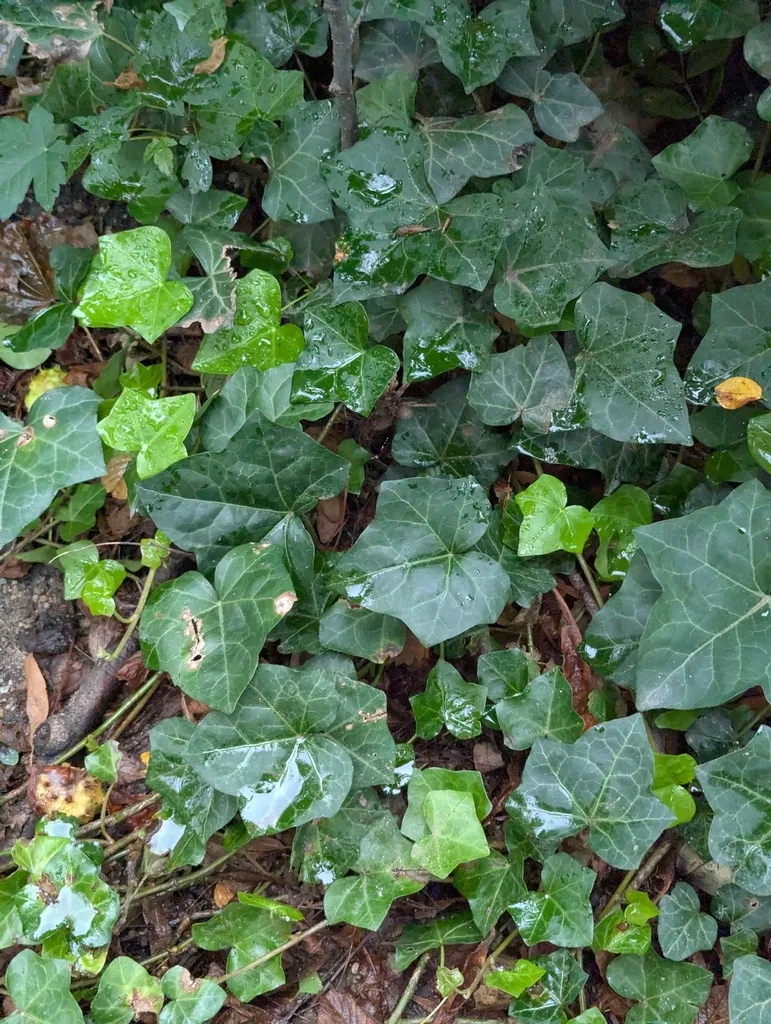



common ivy

common ivy · Overwintering

common ivy · Hedera helix
Also known as: common English ivy; European ivy

English ivy is a highly adaptable and vigorous plant, with a low level of care difficulty. Key care points include ensuring adequate indirect light and maintaining moist soil without letting it become waterlogged. Special attention should be given to its invasive nature; english ivy requires regular pruning to manage growth and prevent it from overrunning spaces.

Watering: Water when top inch of soil is drySunlight: Full shade · Full sun · Partial shadeHarmful if eaten, skin irritant. Wear gloves and other protective equipment when handling]

How to Care for common ivy in Winter?

English ivy originates from the mild climate of Europe and its hearty nature equips it bouyantly for winter. This evergreen retains its leaves in the cold, relying on its deep root system for sustenance. For gardeners, english ivy requires minimal winter care - a well-drained soil prevents root rot while occasional pruning maintains its vigour. Providing a protective mulch ensures the plant's resilience even in harsh conditions.