
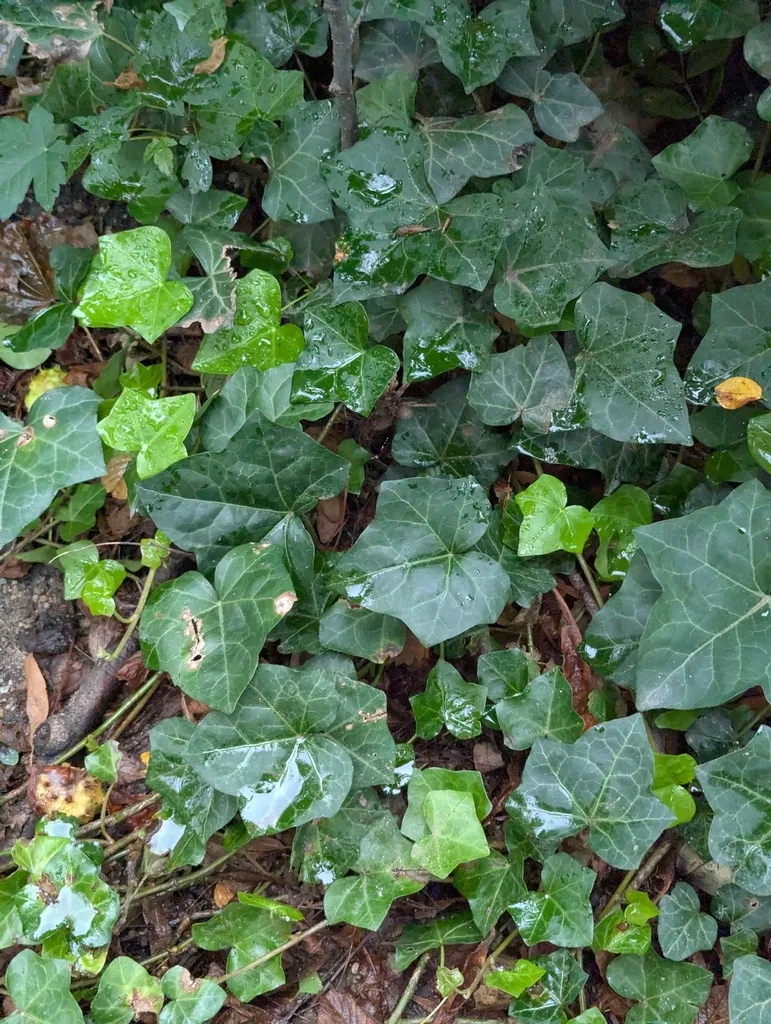



common ivy

common ivy · Propagation

common ivy · Hedera helix
Also known as: common English ivy; European ivy

English ivy is a highly adaptable and vigorous plant, with a low level of care difficulty. Key care points include ensuring adequate indirect light and maintaining moist soil without letting it become waterlogged. Special attention should be given to its invasive nature; english ivy requires regular pruning to manage growth and prevent it from overrunning spaces.

Watering: Water when top inch of soil is drySunlight: Full shade · Full sun · Partial shadeHarmful if eaten, skin irritant. Wear gloves and other protective equipment when handling]

How to Propagate common ivy?

English ivy is a vigorous, evergreen climber known for its ability to root easily from stem cuttings. For successful propagation, select a healthy, non-flowering shoot and cut a segment with several leaf nodes. Place the cutting in water until roots develop or plant directly into a potting mix. Keep the substrate consistently moist and ensure high humidity and warmth to encourage root growth. Rooting hormone can facilitate the process, but is not essential due to the plant's natural propensity to root.