
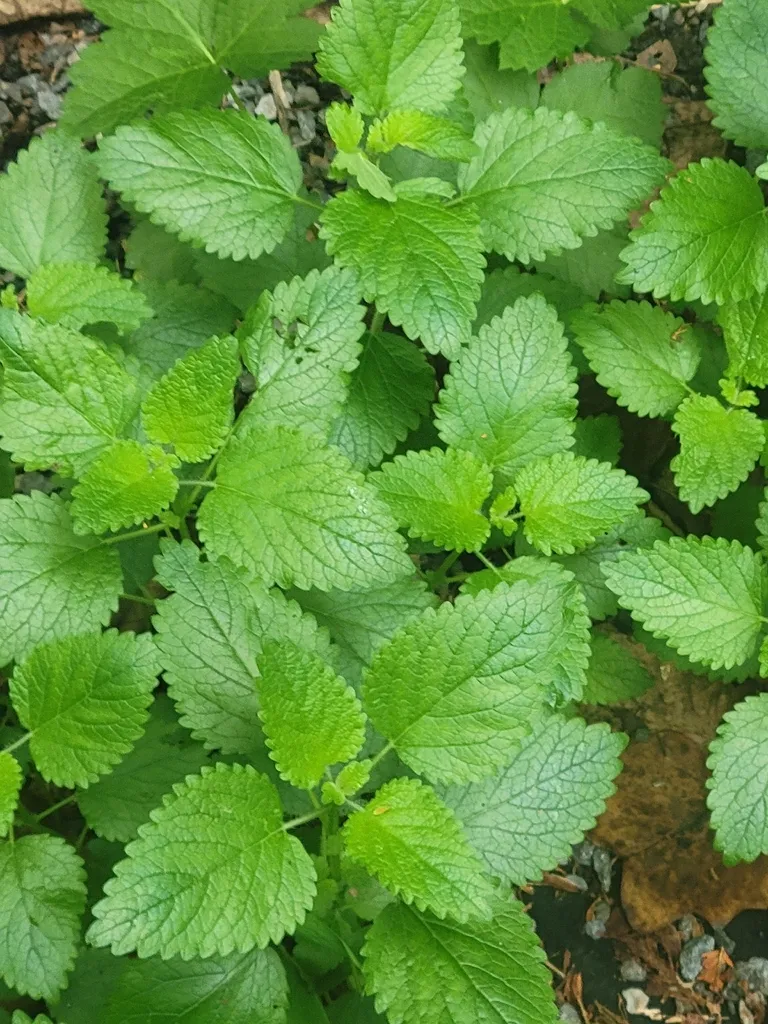



lemon balm

lemon balm · Pruning

lemon balm · Melissa officinalis
Also known as: balm; balm leaf; balm oil plant; barm leaf; bee balm; dropsywort; honey plant; pimentary; sweet balm; sweet Mary; tea balm

Lemon balm thrives in well-drained soil and requires regular watering, though it is important not to overwater. As a special care point, lemon balm benefits from frequent harvesting or pruning to encourage bushier growth. It's adaptable to partial shade but prefers full sun exposure for optimal growth and flavor development.

Watering: Moderate regular watering, avoid prolonged drought and stagnant waterloggingSunlight: Full sun · Partial shadeInformation to be completed

How to Prune lemon balm?

Lemon balm, a fragrant herb with medicinal and culinary uses, benefits from regular pruning. Key techniques involve trimming back stems to promote bushier growth and removing dead or damaged foliage. Optimal pruning occurs from early to late spring to coincide with active growth. Pruning enhances airflow, reducing disease risk, and encourages robust, dense growth. Regular pruning also prevents legginess and extends the productive lifespan of the plant. Maintain a balanced shape to support vigorous health and frequent harvests.

PlantCare

Your Ultimate Guide to Plants

Identify, grow and nurture the better way!

PlantCare plant identification and care illustration
PlantCare

Botanist in your pocket

Scan to download PlantCareDownload on the App Store

Scan the QR code with your phone camera to download the app