
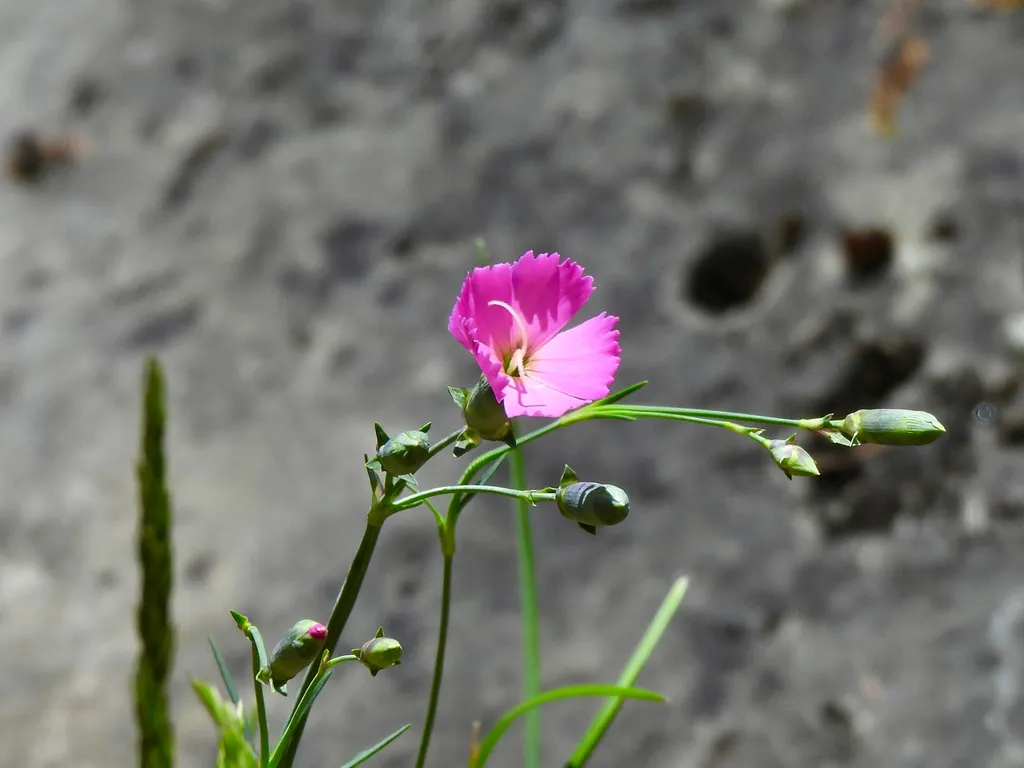



border carnation

border carnation · Pruning

border carnation · Dianthus caryophyllus
Also known as: carnadine; carnation; clove carnation; clove gilliflower; clove pink; coronation; cottage pink; dainty; dainty lady; fair maids of Kent; gilliflower; gilly flower; grenadine; lusty gallant; pale pageant; picotee; sad pageant; sops in wine

Carnation typically thrive in well-draining soil with regular watering to keep the soil moist but not waterlogged. A special care point for carnation is their need for full sun exposure to ensure healthy growth and abundant flowering. Deadheading spent flowers is crucial to encourage continued blooming. Overall, carnation are considered easy to care for, making them suitable for gardeners of all levels.

Watering: Moderate regular watering, allowing brief slight drying between soakingsSunlight: Full sunSkin allergen, wear gloves and other protective equipment when handling]

How to Prune border carnation?

Carnation features vibrant, fragrant flowers and is often used in floral arrangements. Prune in early to late spring for optimal growth. Remove any dead or yellowing stems to encourage healthy, new blooms. Pinch off spent flowers to prolong blooming. Avoid heavy pruning after midsummer to prevent stress. Regular pruning increases air circulation, reduces disease risks, and promotes a fuller plant. Always use sterilized tools to prevent infection.