
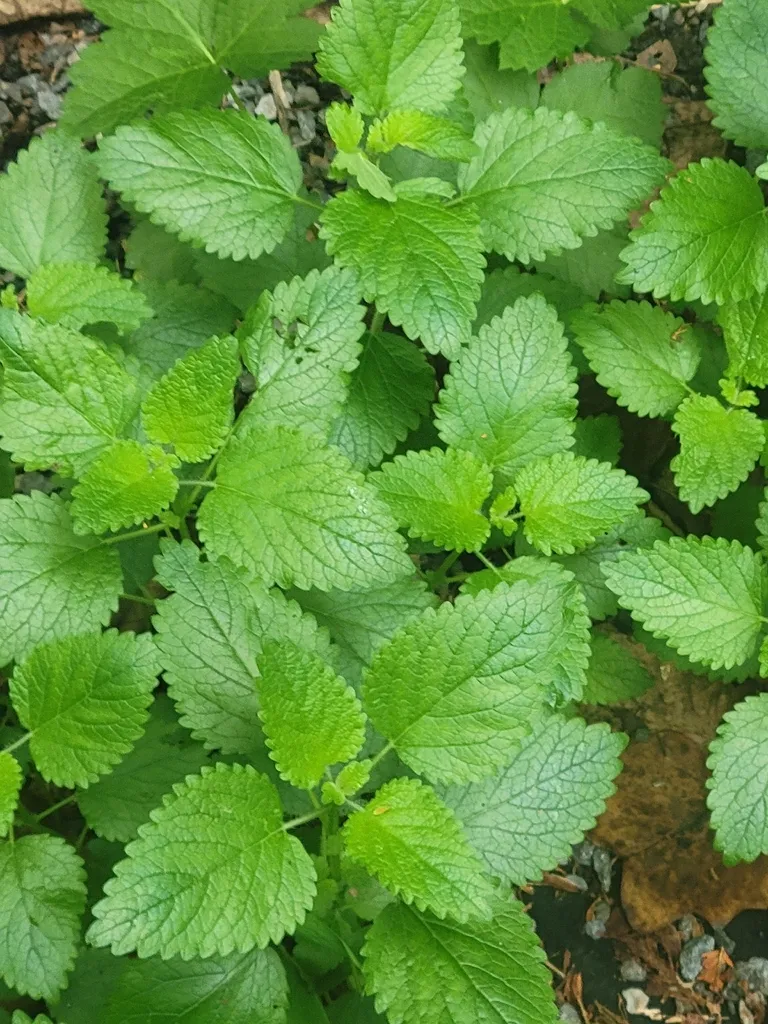



lemon balm

lemon balm · Soil

lemon balm · Melissa officinalis
Also known as: balm; balm leaf; balm oil plant; barm leaf; bee balm; dropsywort; honey plant; pimentary; sweet balm; sweet Mary; tea balm

Lemon balm thrives in well-drained soil and requires regular watering, though it is important not to overwater. As a special care point, lemon balm benefits from frequent harvesting or pruning to encourage bushier growth. It's adaptable to partial shade but prefers full sun exposure for optimal growth and flavor development.

Watering: Moderate regular watering, avoid prolonged drought and stagnant waterloggingSunlight: Full sun · Partial shadeInformation to be completed

What Soil Is Best for lemon balm?

For optimal growth, lemon balm requires well-aerated soil with excellent drainage to prevent water-logging. A suitable soil mix includes garden soil, sand, and compost in equal parts. If compost is not available, aged manure can be an alternative. Adding perlite or vermiculite will enhance drainage. Fertilize with a balanced, water-soluble fertilizer bi-monthly during the growing season to support healthy growth.

Soil type
Chalk · Clay · Loam · Sand
Soil pH
Acid · Alkaline · Neutral
PlantCare

Your Ultimate Guide to Plants

Identify, grow and nurture the better way!

PlantCare plant identification and care illustration
PlantCare

Botanist in your pocket

Scan to download PlantCareDownload on the App Store

Scan the QR code with your phone camera to download the app