
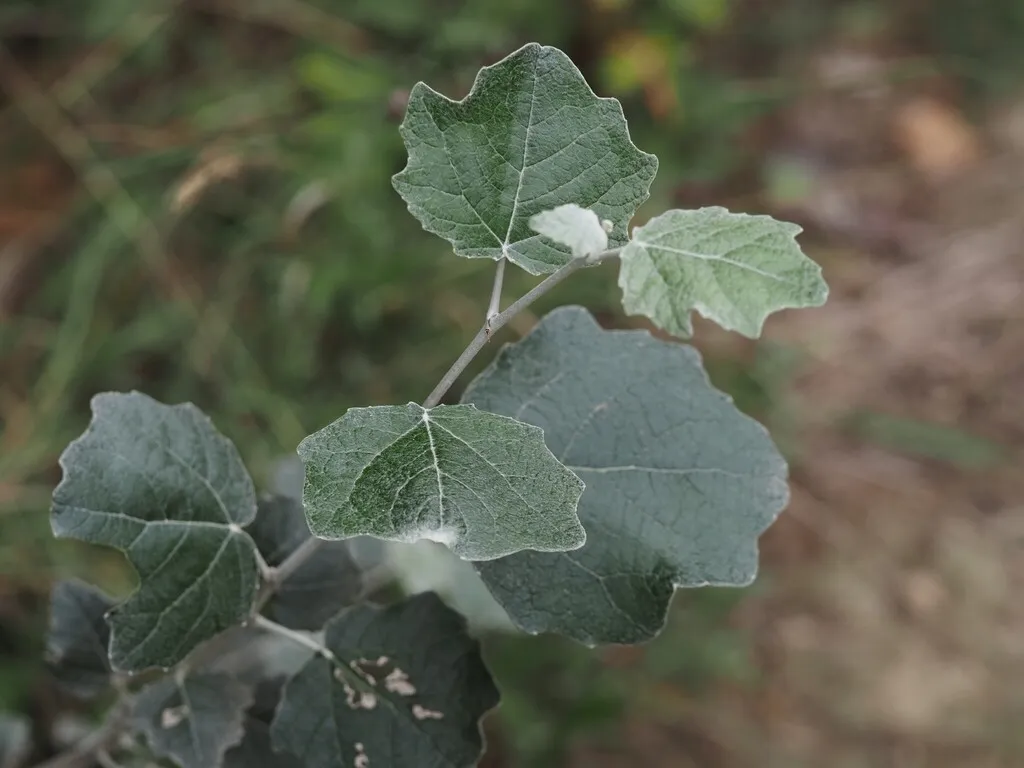



white poplar

white poplar · Soil

white poplar · Populus alba
Also known as: abbey; abele; Dutch beech; silver-leaved poplar; white asp

White poplar is a robust and adaptable tree, often found in a variety of climates and soil types, suggesting a straightforward care routine. Special care points include tolerance for pruning, which is beneficial for maintaining shape and health, and a preference for full sun exposure to optimize growth. Another consideration is the tree's vigorous root system which can disrupt pavements or buildings if planted too close.

Watering: Deep regular watering in first years, mature trees withstand mild droughtSunlight: Full sunInformation to be completed

What Soil Is Best for white poplar?

Native to riverbanks and moist ground, white poplar thrives in soil with a pH range of 5.5 to 8.0. The ideal soil is a well-drained mix of clay, sand, and loam, with high organic content. To mimic this, use a mix of 50% garden soil, 30% sand, and 20% compost. Drainage is crucial; ensure containers have holes, and avoid water-logging. Amend with slow-release fertilizer twice a year for optimal growth. Proper soil conditions enhance nutrient absorption and support white poplar's robust health and growth.

Soil type
Chalk · Clay · Loam · Sand
Soil pH
Acid · Alkaline · Neutral