
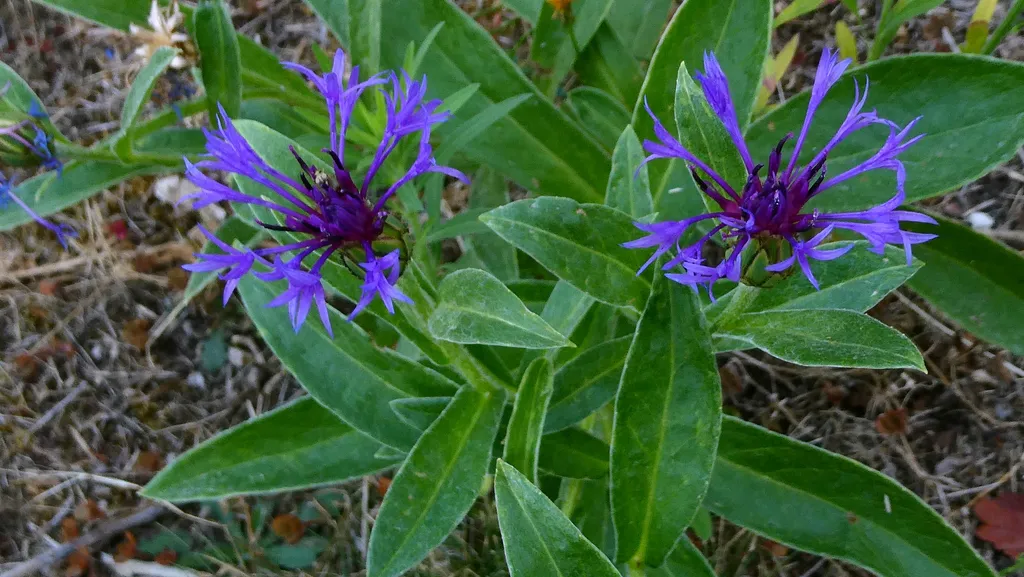



perennial cornflower

perennial cornflower · Soil

perennial cornflower · Centaurea montana
Also known as: great blue-bottle; mountain bluet; mountain centaury

Perennial cornflower is known for its resilience and low-maintenance nature, making it a favored choice for gardeners seeking easy-care perennials. The plant thrives in full sun to partial shade and requires well-drained soil. Special care points include deadheading spent flowers to promote further blooming and dividing the clumps every few years to maintain vigor and prevent overcrowding.

Watering: Moderate regular watering, allowing brief slight drying between soakingsSunlight: Full sun · Partial shadeInformation to be completed

What Soil Is Best for perennial cornflower?

Perennial cornflower naturally inhabits well-drained, sandy to loamy soils typical of alpine and subalpine meadows. It prefers soils with a pH of 6.0 to 8.0, allowing for optimal nutrient absorption. Native soil components include a mix of sand, loam, with occasional chalky elements beneficial. For a suitable soil mix, combine 2 parts garden soil, 1 part sand, and 1 part compost to enhance fertility. Ensure excellent drainage by adding coarse sand or perlite. Regularly amend with balanced, granular fertilizer during growing seasons to promote lush growth, and avoid water-logging to protect roots.

Soil type
Chalk · Clay · Loam · Sand
Soil pH
Acid · Alkaline · Neutral
PlantCare

Your Ultimate Guide to Plants

Identify, grow and nurture the better way!

PlantCare plant identification and care illustration
PlantCare

Botanist in your pocket

Scan to download PlantCareDownload on the App Store

Scan the QR code with your phone camera to download the app