



Planting and Growing perennial cornflower

| Care difficulty | 2 / 5 |
|---|---|
| Watering schedule | Moderate regular watering, allowing brief slight drying between soakings |
| Sunlight requirements | Full sun · Partial shade |
| Ideal temperature | 15 – 25 °C |
| Soil type | Chalk · Clay · Loam · Sand |
| Soil pH | Acid · Alkaline · Neutral |
| Soil moisture | Moist but well drained |
| Fertilizing | Balanced perennial feed every four weeks from spring through summer |
| Toxicity | Information to be completed |
How to Water perennial cornflower?
Thriving in its native mountain meadows, perennial cornflower is accustomed to moderate moisture levels and can tolerate brief dry spells. This perennial exhibits a preference for consistent soil moisture without being waterlogged, reflecting its adaptability to varied hydration conditions. For optimal growth, it's best to provide watering every week. As an herbaceous perennial often cultivated outdoors, perennial cornflower benefits significantly from mulching to retain soil moisture and reduce the need for frequent watering, especially during its active growing season.
Learn more →What Are the Sunlight Requirements for perennial cornflower?
Perennial cornflower thrives best in full sun conditions, where it can enjoy unfiltered daylight for a majority of the day. This exposure is crucial for optimal growth, vibrant flower production, and overall health. While perennial cornflower can tolerate partial sun, notably experiencing reduced flowering and potentially lighter foliage color, it is less vigorous under such conditions. To maximize its growth and ornamental value outdoors, it is recommended to plant perennial cornflower in locations that receive at least 6 hours of direct sunlight daily. Perennial cornflower does not typically adapt markedly to varying light levels beyond minor adjustments in leaf orientation.
Learn more →What Is the Ideal Temperature Range for perennial cornflower?

Perennial cornflower displays notable resilience to temperature fluctuations, tolerating a range from 0℃ (32℉) to 38℃ (100℉). Its adaptability to cold makes it suitable for cooler climates without the need for extensive protective measures. However, during extreme heat, it may require additional watering and shading to prevent wilting or leaf scorching. Symptoms of distress in cold include leaf discoloration and stunted growth, while in excessive heat, it may display drooping leaves and impaired blooming. Countermeasures for overcooling include mulching and frost cloths, while overheating can be mitigated with adequate irrigation and partial shade placement. This flexibility facilitates perennial cornflower's integration into diverse garden environments.
Learn more →What Soil Is Best for perennial cornflower?
Perennial cornflower naturally inhabits well-drained, sandy to loamy soils typical of alpine and subalpine meadows. It prefers soils with a pH of 6.0 to 8.0, allowing for optimal nutrient absorption. Native soil components include a mix of sand, loam, with occasional chalky elements beneficial. For a suitable soil mix, combine 2 parts garden soil, 1 part sand, and 1 part compost to enhance fertility. Ensure excellent drainage by adding coarse sand or perlite. Regularly amend with balanced, granular fertilizer during growing seasons to promote lush growth, and avoid water-logging to protect roots.
- Soil type
- Chalk · Clay · Loam · Sand
- Soil pH
- Acid · Alkaline · Neutral
What Are the Moisture Requirements for perennial cornflower?
Moist but well drained
Learn more →How to Fertilize perennial cornflower?

For perennial cornflower, optimal growth requires regular fertilization, especially to enhance its vibrant blooms. Utilize balanced N-P-K fertilizers in spring for robust foliage and switch to high-phosphorus blends pre-bloom for flower vigor. Fertilize once at the onset of the growing season and again as buds form. Apply per product guidelines, avoiding over-fertilization which can harm perennial cornflower and the environment. Tailor amounts to perennial cornflower's size, using less for young plants. With seasonal adjustments and responsible application, perennial cornflower will reward with lush growth and prolific blossoms.
Learn more →How to Prune perennial cornflower?

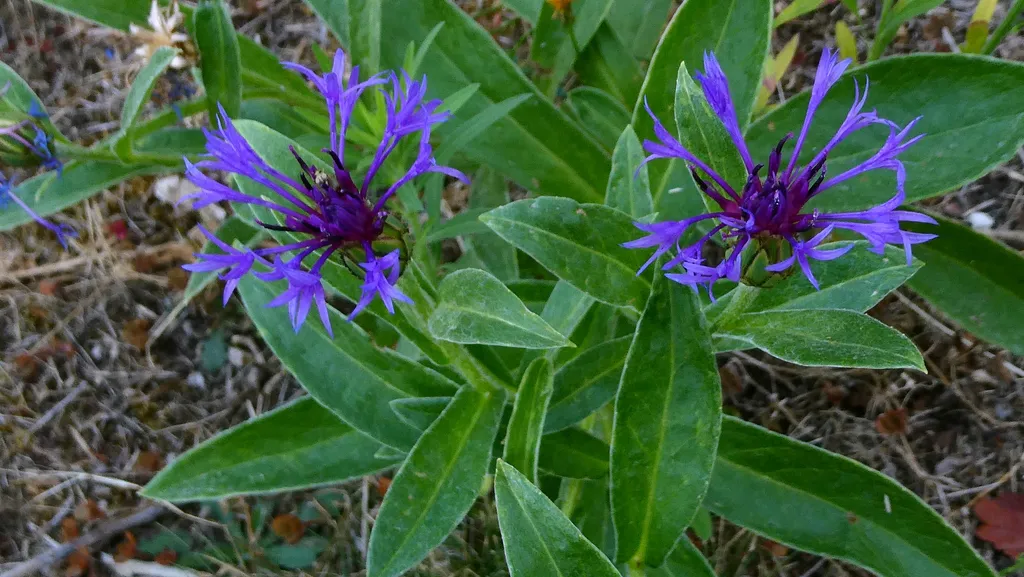
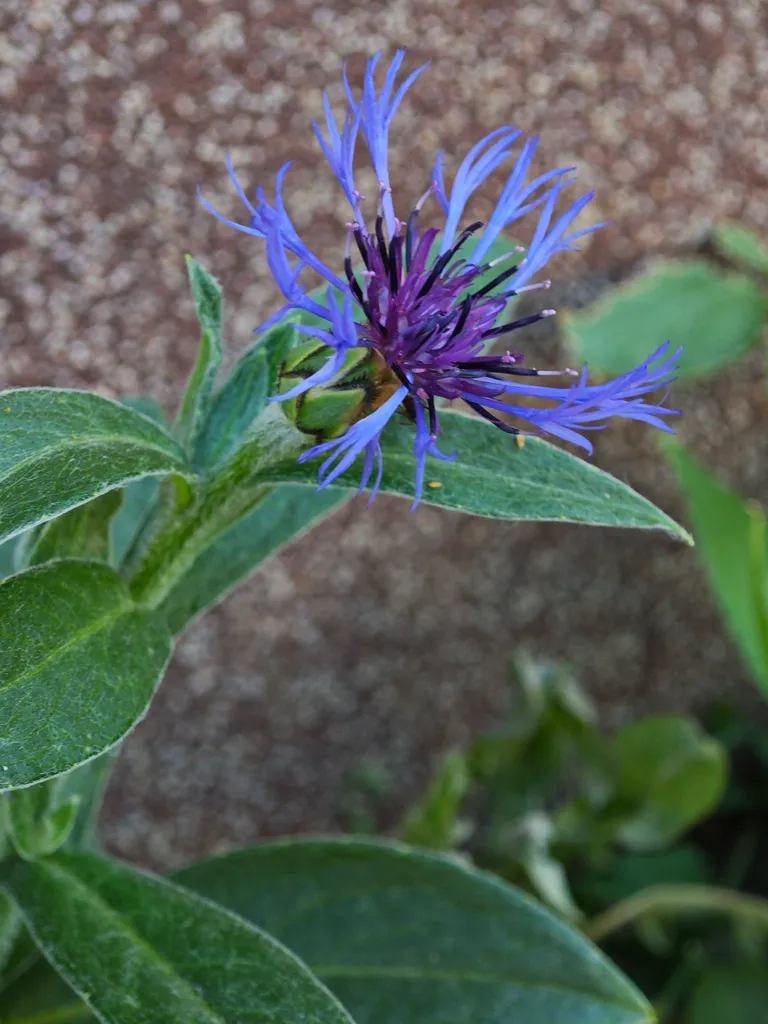
Perennial cornflower is known for its vibrant blue flowers and bushy growth. Prune in early spring to encourage robust growth, removing dead or damaged stems. Cutting back in later spring after the first bloom can promote a second flowering. Ensure clean cuts close to a leaf node. Key benefits include healthier foliage and an extended blooming period. Regular pruning helps prevent overcrowding and promotes air circulation, reducing disease risk.
Learn more →How to Propagate perennial cornflower?

This perennial, known for its showy blue flowers and resilience, thrives in well-drained soil and enjoys full to partial sun exposure. To propagate perennial cornflower, division is the favored approach, which is best conducted by carefully separating the root clumps. Ensuring each division has a robust root system and at least one shoot will promote successful establishment. Gently tease apart tangled roots to minimize stress on the plant. Post-division, provide ample water and shade to the new plants for a period to enable recovery and acclimation to their new setting.
Learn more →How to Transplant perennial cornflower?
For perennial cornflower, the sweet spot for transplanting is post-frost, in the gentle embrace of late spring to early summer warmth, which encourages robust root development and acclimation. Choose a sun-kissed spot with well-draining soil. A friendly tip: Ample space is kind to its spreading nature.
Learn more →How to Plant perennial cornflower?
Indoors-potted: For perennial cornflower indoors, ensure good air circulation to mimic its natural breezy habitat, reducing the risk of fungal diseases. Outdoors-potted: Perennial cornflower, when potted outdoors, thrives with a stable base; frequent moving can stress roots and hinder bloom quality. Outdoors-in the ground: In-ground perennial cornflower plants benefit from strategic spacing to prevent overcrowding, promoting healthier growth and vibrant blooms.
Learn more →How to Harvest perennial cornflower?

You can harvest the flowering branch of perennial cornflower. It can be done when the petals on the outer circle of the inflorescence are fully expanded. Use sharp garden shears to harvest them when the temperature is low in the morning. Put them in a vase with clean water in time to avoid water loss.
Learn more →Common Pests & Diseases

Diseases
May be affected by powdery mildews
Pests
Generally pest-free
Explore the plant health library →Troubleshooting
Leggy Stems, Sparse Flowering, or Root Rot
perennial cornflower (Centaurea montana) performs best in well-drained soil with appropriate sunlight and regular deadheading; soggy soil rots roots, while low light or skipped pinching causes leggy growth.
| What you notice | Possible explanation | What to check next |
|---|---|---|
| Stems stretch tall and floppy with sparse blooms | Insufficient direct sunlight, lack of early-season pinching/deadheading, or excess high-nitrogen fertilizer | Assess daily sun hours and check whether spent flowers are left to set seed |
| Lower leaves turn yellow and plant wilts while soil stays wet and heavy | Root or stem rot from overwatering or poor drainage (May be affected by powdery mildews) | Check soil drainage and ensure containers have open drainage holes |
- Grow in fertile, well-drained soil in full sun or partial shade, spacing plants for good airflow.
- Water consistently without waterlogging: Moderate regular watering, allowing brief slight drying between soakings.
- Maintain compact flowering growth: Deadhead regularly to prolong flowering.
Stop watering waterlogged containers immediately and improve drainage before fungal root or stem rot spreads.
Powdery Mildew, Rust, or Aphids and Slugs
Crowded foliage, dry root stress, or damp stagnant air can trigger mildew or rust on perennial cornflower (Centaurea montana), while tender shoots attract pests.
| What you notice | Possible explanation | What to check next |
|---|---|---|
| White powdery coating or rusty/dark spots on leaves in humid or drought-stressed beds | Fungal disease (May be affected by powdery mildews) | Inspect lower leaves and spent blooms and check plant spacing |
| Distorted shoot tips with aphids, or ragged holes chewed in young leaves | Common pests (Generally pest-free) | Check shoot tips, leaf undersides, and damp ground around the crown |
- Water at the base of the plant early in the day rather than overhead, and divide congested clumps in spring or autumn every 2–3 years.
- Remove diseased leaves and faded flowers promptly, and clear plant debris at season's end.
- Manage aphids with a firm water spray or insecticidal soap per label directions, and protect young shoots from slugs.
Protect frost-tender tubers or half-hardy bedding indoors or under glass before autumn frosts.