
perennial cornflower
Also known as: great blue-bottle; mountain bluet; mountain centaury
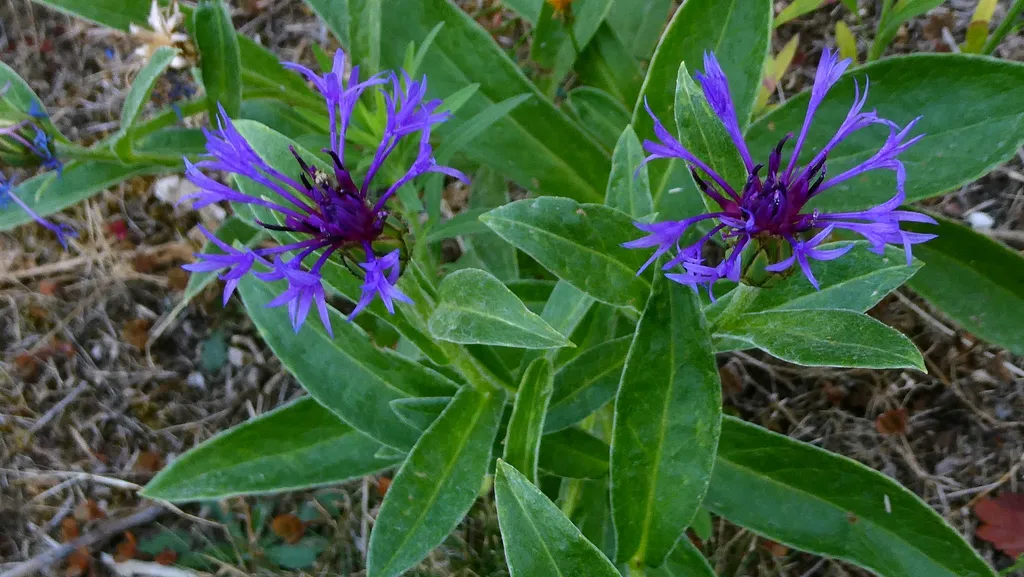
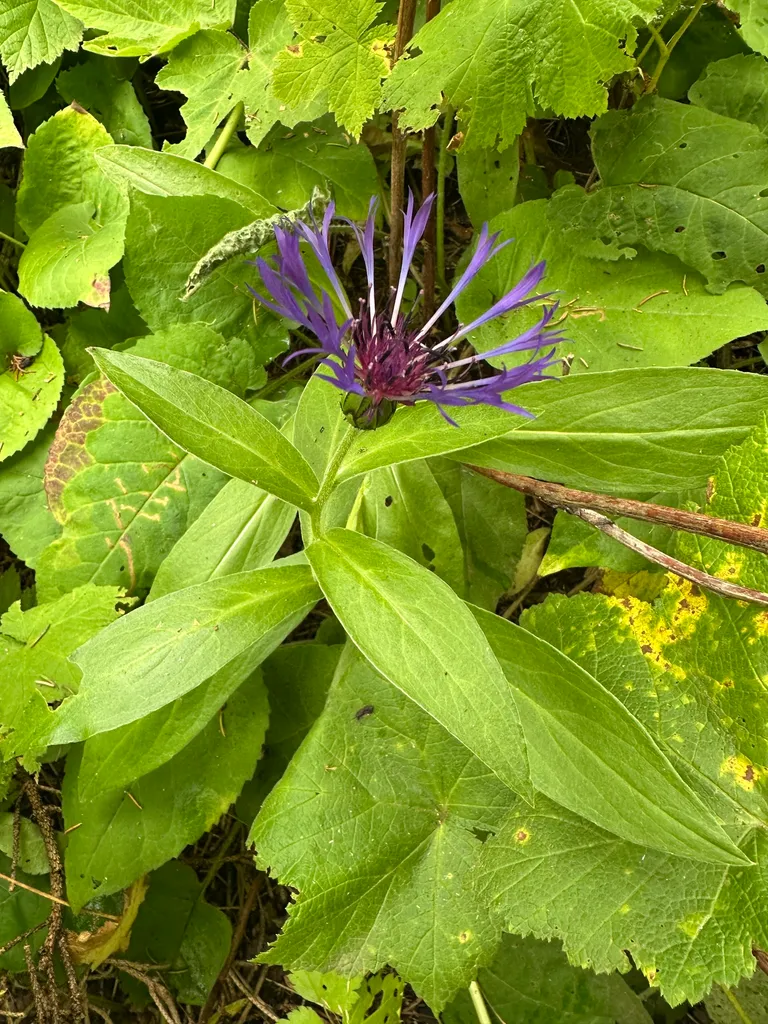
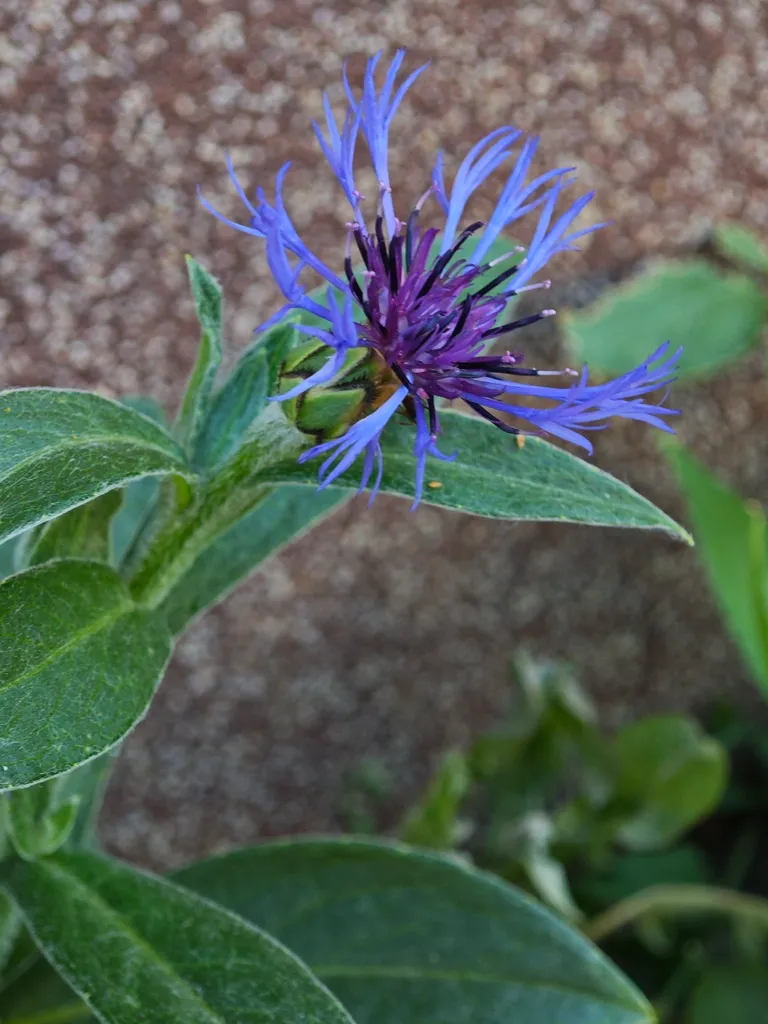
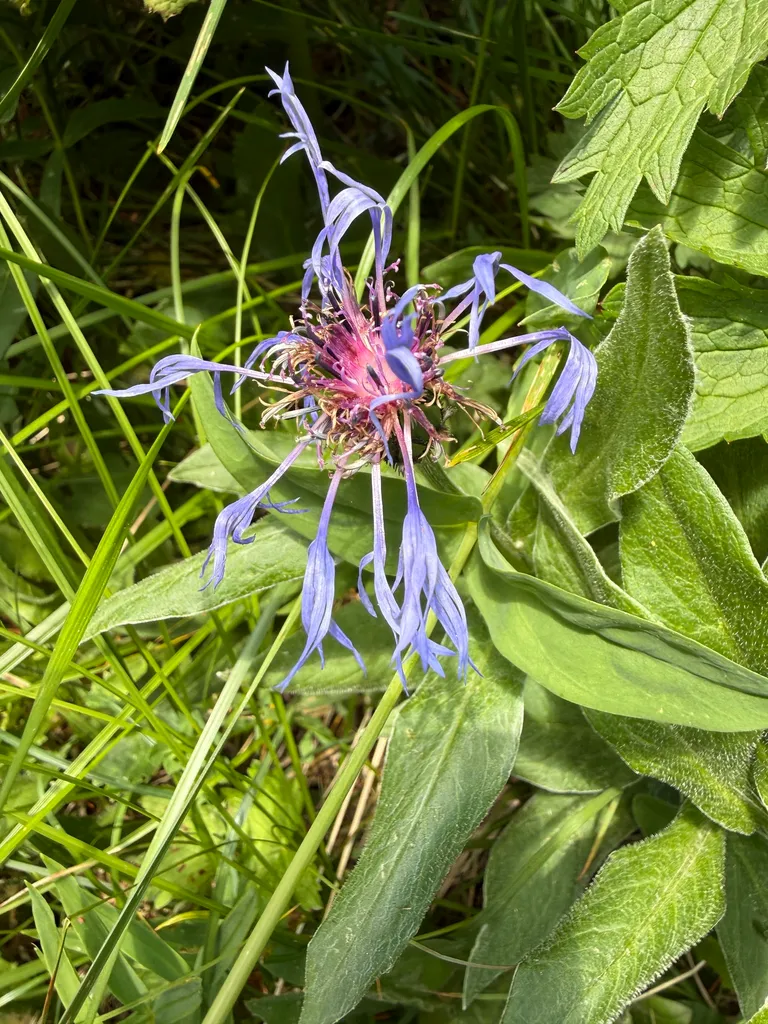
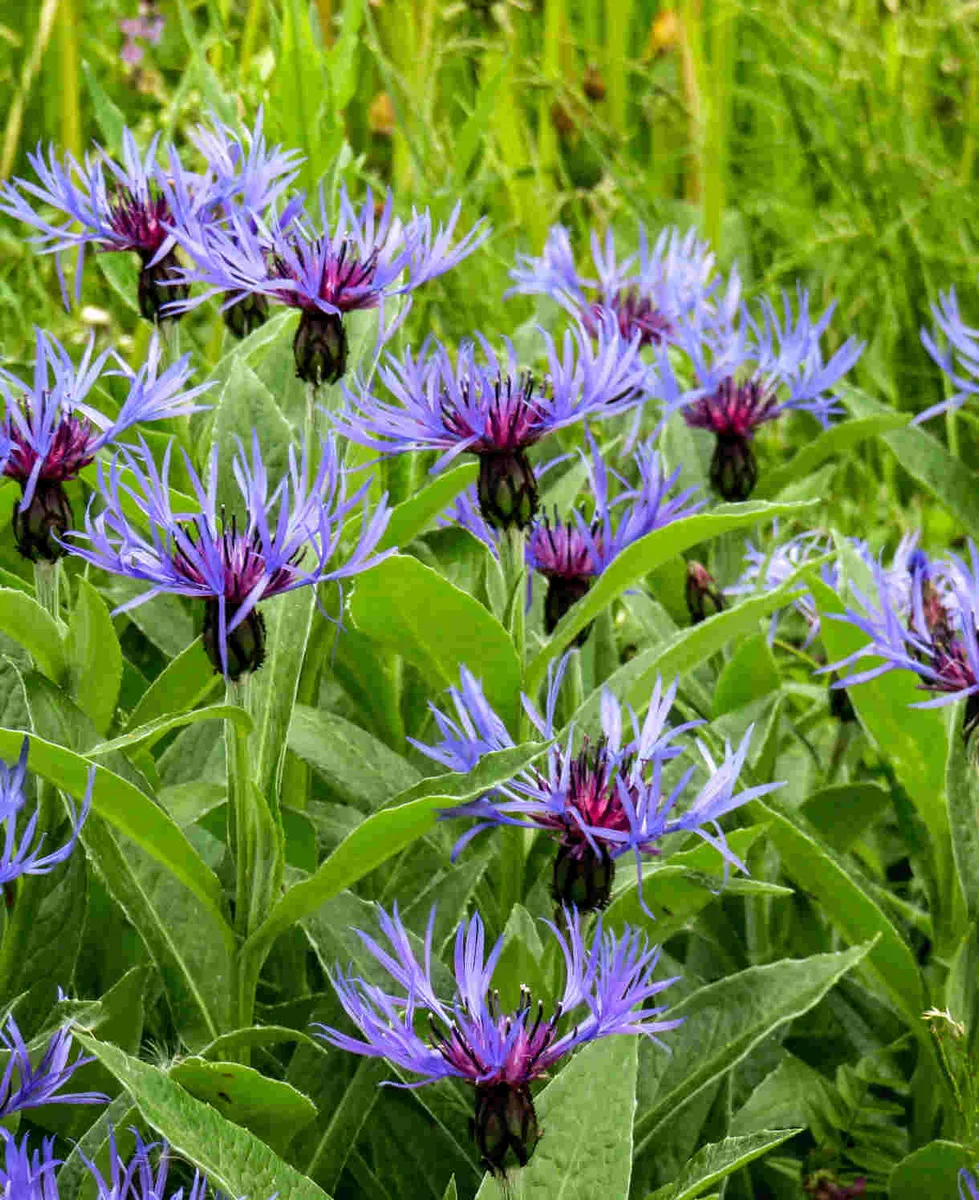
A rhizomatous perennial with simple or lobed leaves, hairy beneath, and blue flower-heads 5cm across, reddish in the centre, from late spring to summer
Scientific classification
- Species
- perennial cornflower (Centaurea montana)
- Genus
- Centaurea
- Family
- Asteraceae
- Information to be completed
- Toxicity
- Herbaceous Perennial
- Plant type
- 0.1-0.5 metres
- Height
- 0.5-1 metres
- Spread
- Deciduous
- Foliage
- Information to be completed
- Habit
- Spring · Summer · Autumn
- Season of interest
- Full sun · Partial shade
- Sunlight
- 15 – 25 °C
- Ideal temperature









perennial cornflower pictures
Distribution of perennial cornflower
Distribution map
Mountains of Europe
Information to be completed
Culture
Information to be completed
Toxicity
Information to be completed
Quick identification of perennial cornflower
Information to be completed
perennial cornflower care guide
- Moderate regular watering, allowing brief slight drying between soakings
- Watering
- Full sun · Partial shade
- Sunlight
- 15 – 25 °C
- Ideal temperature

Watering
Moderate regular watering, allowing brief slight drying between soakings
Fertilizing
 Fertilizing
Balanced perennial feed every four weeks from spring through summer
Pruning
 Pruning
Deadhead regularly to prolong flowering
Propagation
 Propagation
Propagate by seed sown in pots in a cold frame in spring or propagate by division in spring or autumn
Growing
 Growing
Best grown in moist but well-drained soil in sun or partial shade, needs staking
People also ask
Information to be completed
Common pests and diseases
Diseases
May be affected by powdery mildews
Pests
Generally pest-free
Explore the plant health library →




