
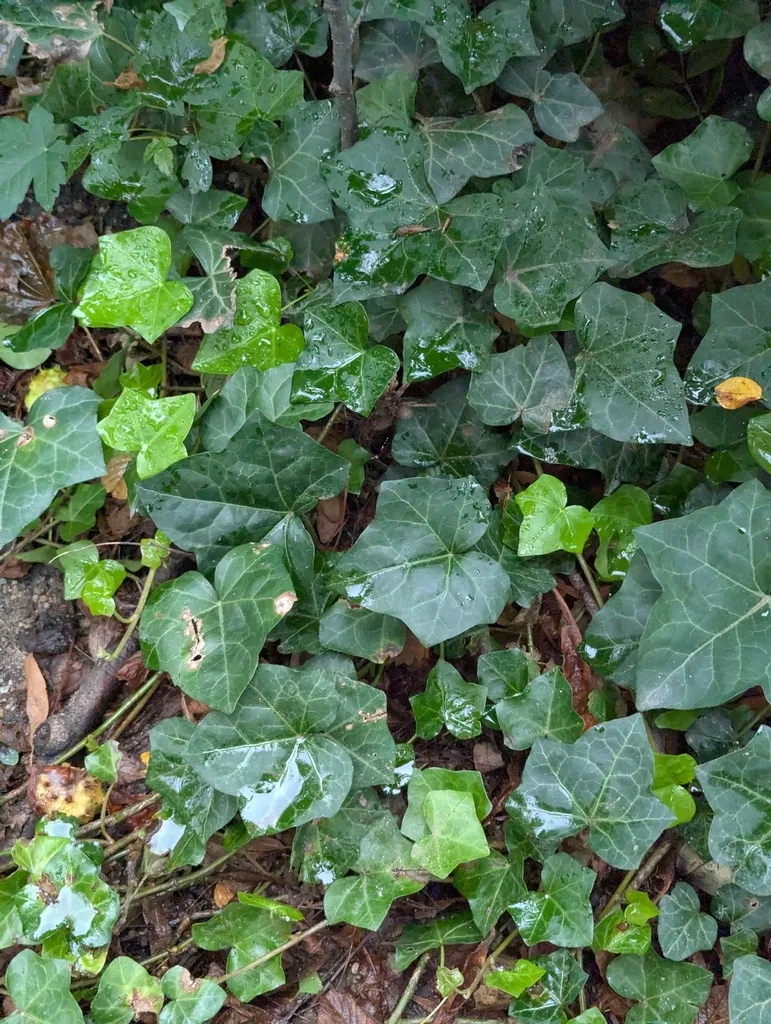



common ivy

common ivy · Soil

common ivy · Hedera helix
Also known as: common English ivy; European ivy

English ivy is a highly adaptable and vigorous plant, with a low level of care difficulty. Key care points include ensuring adequate indirect light and maintaining moist soil without letting it become waterlogged. Special attention should be given to its invasive nature; english ivy requires regular pruning to manage growth and prevent it from overrunning spaces.

Watering: Water when top inch of soil is drySunlight: Full shade · Full sun · Partial shadeHarmful if eaten, skin irritant. Wear gloves and other protective equipment when handling]

What Soil Is Best for common ivy?

English ivy grows best in well-drained fertile soil, whether neutral and slightly acidic. The preferred pH ranges from 6.0-7.5. The plant tolerates poor soil and can survive in any loose, ventilated culture media. Mix garden soil or peat soil with leaf mold at 1:1 ratio to ensure long-term healthy growth and brightness of leaves. Replace the pot and half the soil once every year or two.

Soil type
Chalk · Clay · Loam · Sand
Soil pH
Acid · Alkaline · Neutral