
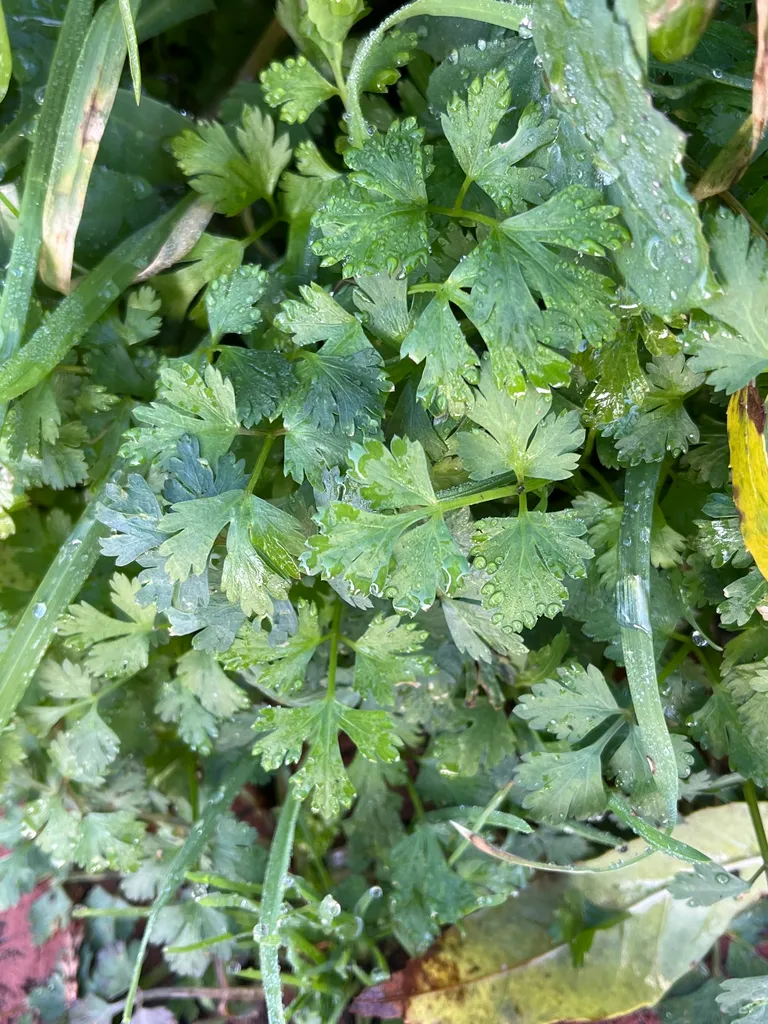



coriander

coriander · Soil

coriander · Coriandrum sativum
Also known as: Chinese parsley; cilantro

Coriander requires abundant sunlight and thrives in a well-draining soil medium. Special care should be given to watering practices; consistently moist soil is key, but it’s crucial to avoid overwatering which can lead to root rot. Attention should also be paid to promptly harvesting leaves to encourage new growth and prevent the plant from bolting, as once coriander flowers, the leaves can develop a bitter taste.

Watering: Keep soil consistently moist but not waterloggedSunlight: Full sun · Partial shadeInformation to be completed

What Soil Is Best for coriander?

For optimal growth, coriander requires well-aerated soil. A suitable mix can be made by combining garden soil with equal parts of sand and compost to ensure good drainage. Avoid water-logging by using containers with drainage holes. Enhance growth with a balanced fertilizer applied every four to six weeks during the growing season. Supplement with organic matter like well-rotted manure or leaf mold to boost soil structure.

Soil type
Chalk · Loam · Sand
Soil pH
Acid · Alkaline · Neutral
PlantCare

Your Ultimate Guide to Plants

Identify, grow and nurture the better way!

PlantCare plant identification and care illustration
PlantCare

Botanist in your pocket

Scan to download PlantCareDownload on the App Store

Scan the QR code with your phone camera to download the app