
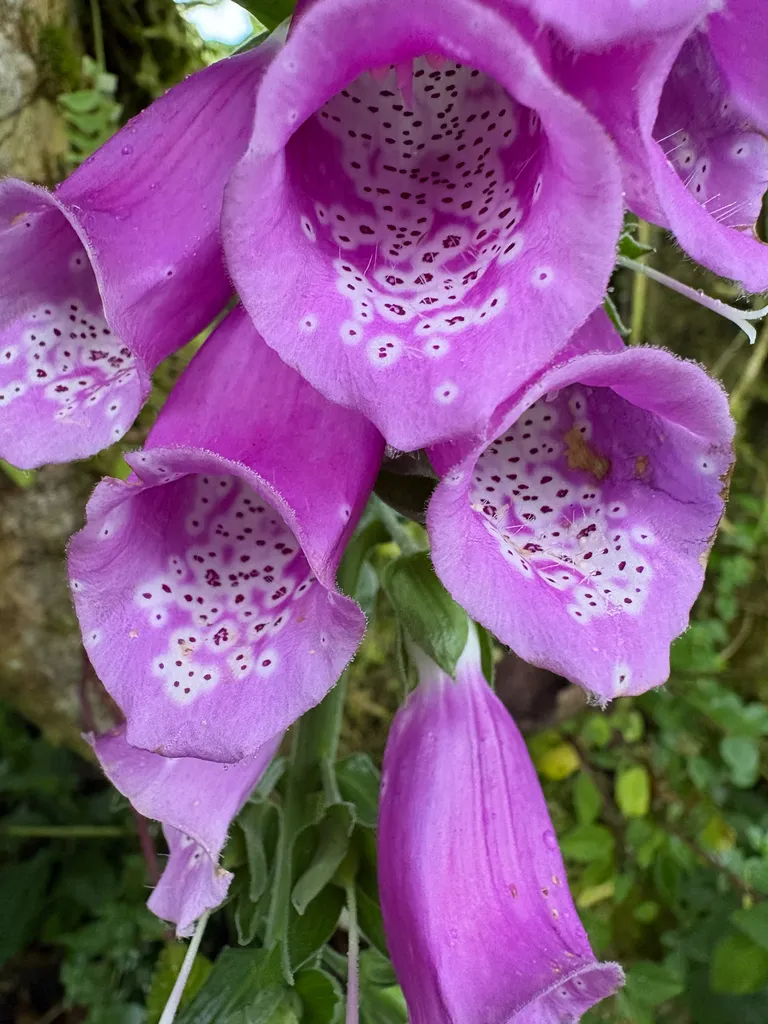



common foxglove

common foxglove · Soil

common foxglove · Digitalis purpurea
Also known as: bloody bells; bloody finger; cow flop; dead man's bells; dead men's bells; dog's lugs; dragon's mouth; fairy bells; fairy fingers; fairy gloves; fairy thimbles; fairy's cap; fairy's petticoat; fairy's thimble; finger flower; flap dock; folk's gloves; fox finger; gloves of Mary; lady's fingers; lady's gloves; lady's thimble; lion's mouth; lusmore; lustmore; pop dock; thimble finger; thimble flower; throat root; witches' bells; witches' fingers; witches' gloves; witches' thimbles

Common foxglove thrives in well-drained soil and partial shade to full sun exposure. A special care point is to ensure moderate watering, as overly wet conditions can lead to root rot. Additionally, deadheading spent flowers promotes further blooming and prevents excessive self-seeding. Providing these basic care requirements makes common foxglove relatively easy to maintain for most gardeners.

Watering: Moderate regular watering, allowing brief slight drying between soakingsSunlight: Full sun · Partial shadeTOXIC if eaten. Wear gloves and other protective equipment when handling

What Soil Is Best for common foxglove?

Common foxglove prefers well-drained soil with good aeration. Use a mix of garden soil, compost, and sand in equal parts to improve drainage. If sand isn't available, perlite can be a suitable alternative. To prevent water-logging, ensure pots have drainage holes and consider adding a layer of gravel at the bottom. Supplement the soil mix with a balanced, slow-release fertilizer in early spring to support growth.

Soil type
Chalk · Clay · Loam · Sand
Soil pH
Acid · Alkaline · Neutral
PlantCare

Your Ultimate Guide to Plants

Identify, grow and nurture the better way!

PlantCare plant identification and care illustration
PlantCare

Botanist in your pocket

Scan to download PlantCareDownload on the App Store

Scan the QR code with your phone camera to download the app