
common foxglove
Also known as: bloody bells; bloody finger; cow flop; dead man's bells; dead men's bells; dog's lugs; dragon's mouth; fairy bells; fairy fingers; fairy gloves; fairy thimbles; fairy's cap; fairy's petticoat; fairy's thimble; finger flower; flap dock; folk's gloves; fox finger; gloves of Mary; lady's fingers; lady's gloves; lady's thimble; lion's mouth; lusmore; lustmore; pop dock; thimble finger; thimble flower; throat root; witches' bells; witches' fingers; witches' gloves; witches' thimbles
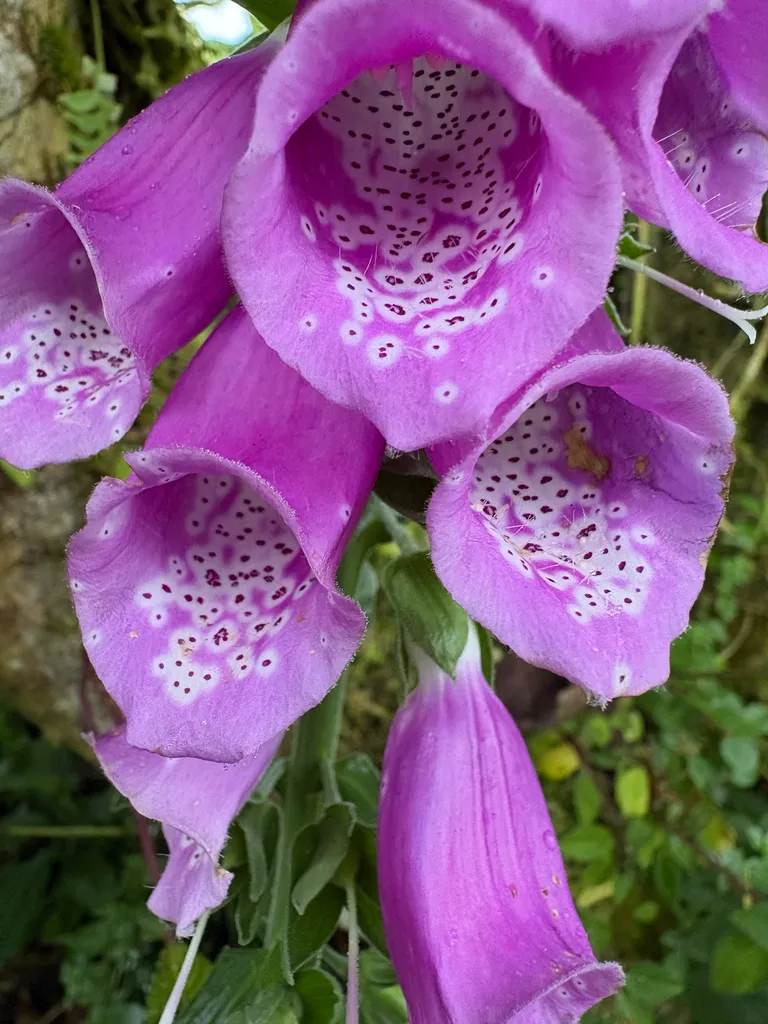
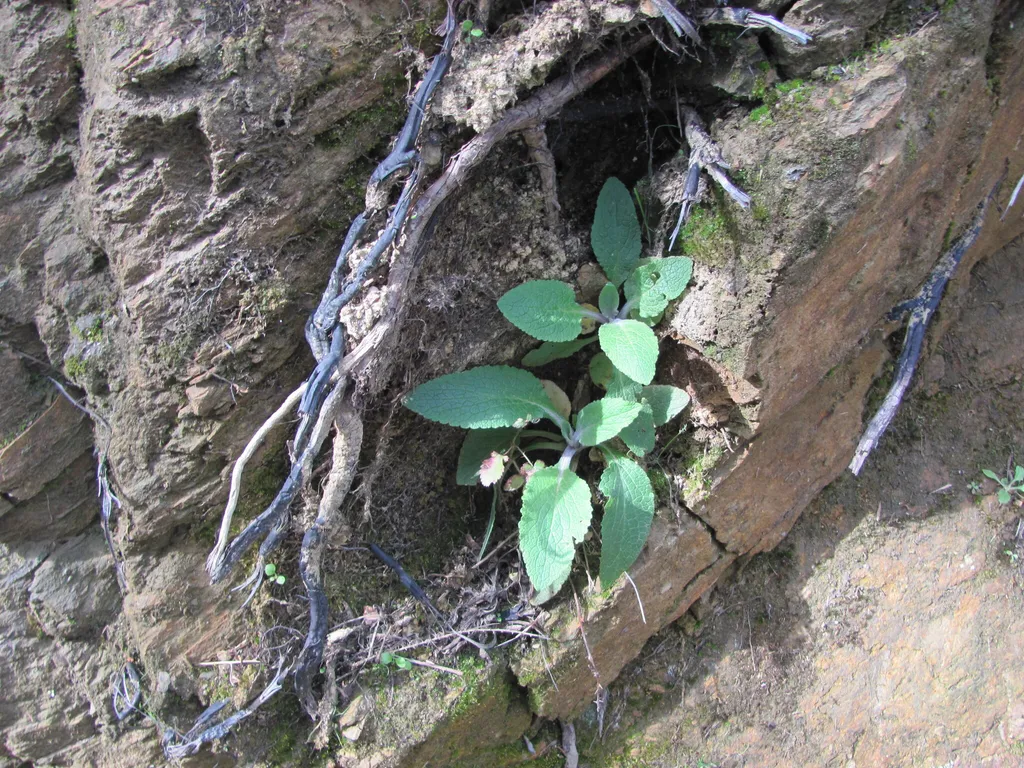
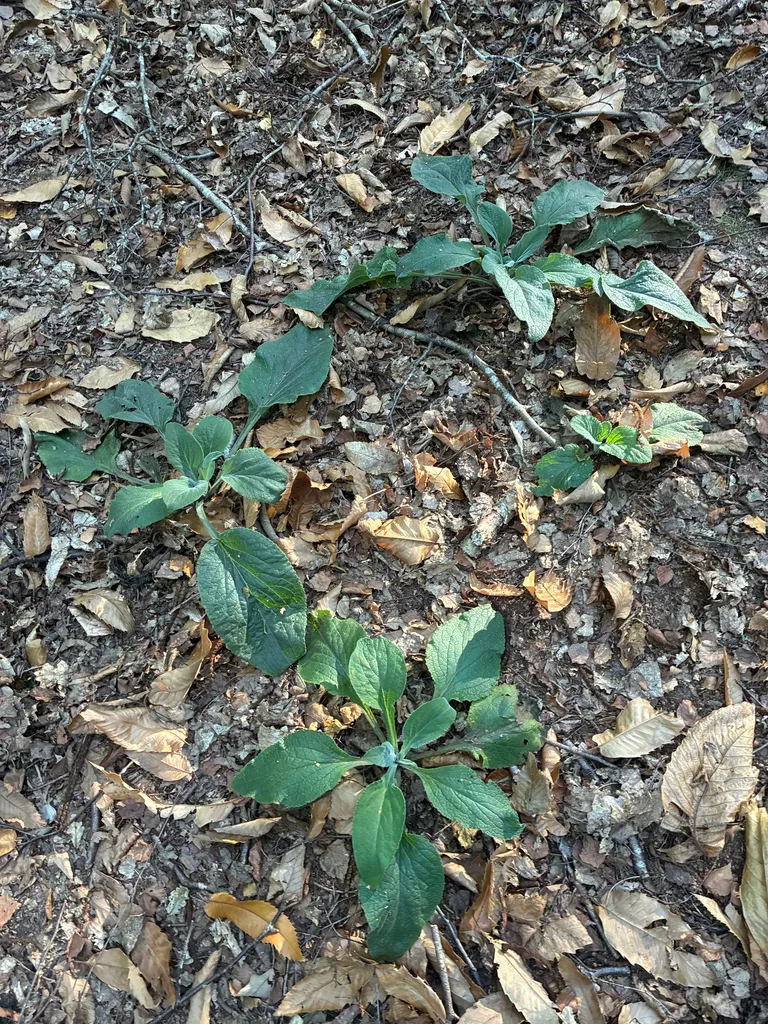
A biennial or short-lived perennial, freely self-sowing, with a rosette of softly hairy, oval leaves and tall, one-sided spires of pendant, tubular, bright rosy-purple flowers 6cm long, spotted within, in summer
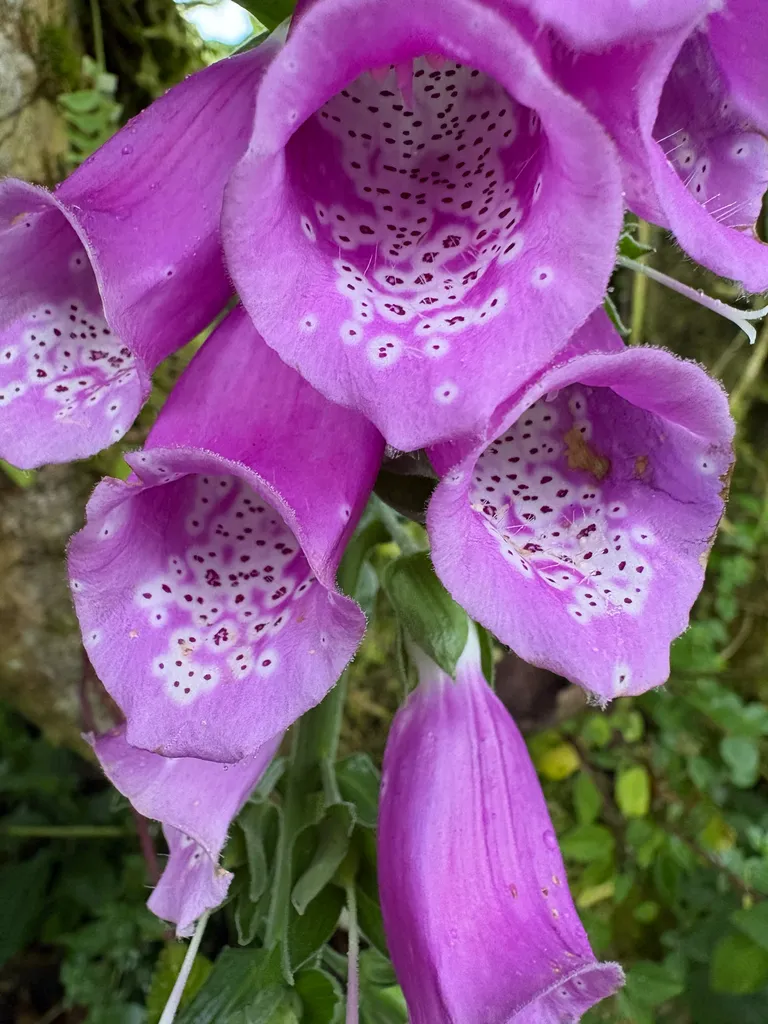
Scientific classification
- Species
- common foxglove (Digitalis purpurea)
- Genus
- Digitalis
- Family
- Plantaginaceae
- TOXIC if eaten. Wear gloves and other protective equipment when handling
- Toxicity
- Annual Biennial
- Plant type
- 1.5-2.5 metres
- Height
- 0.1-0.5 metres
- Spread
- Deciduous
- Foliage
- Bushy
- Habit
- Spring · Summer · Autumn
- Season of interest
- Full sun · Partial shade
- Sunlight
- 15 – 25 °C
- Ideal temperature









common foxglove pictures
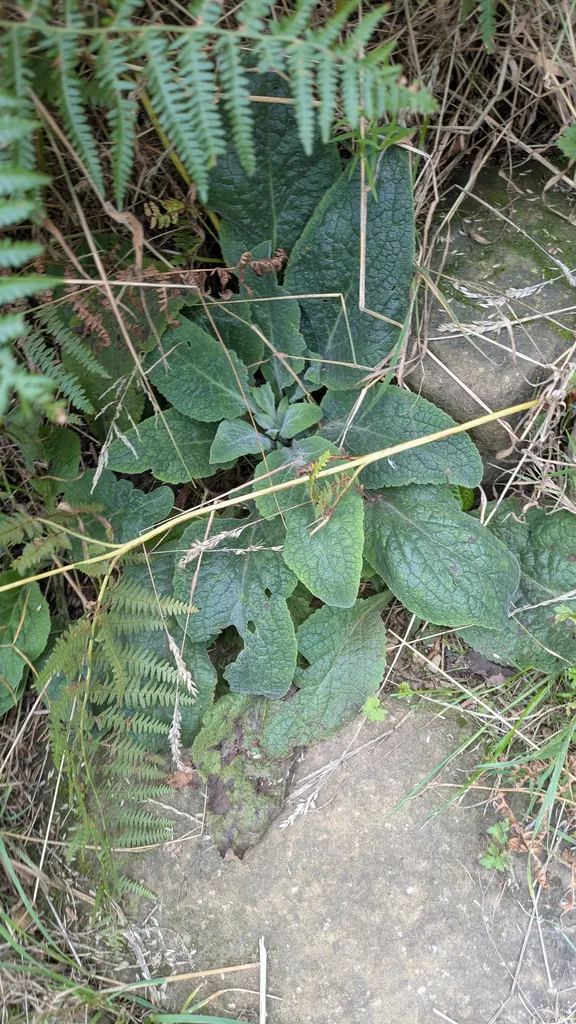
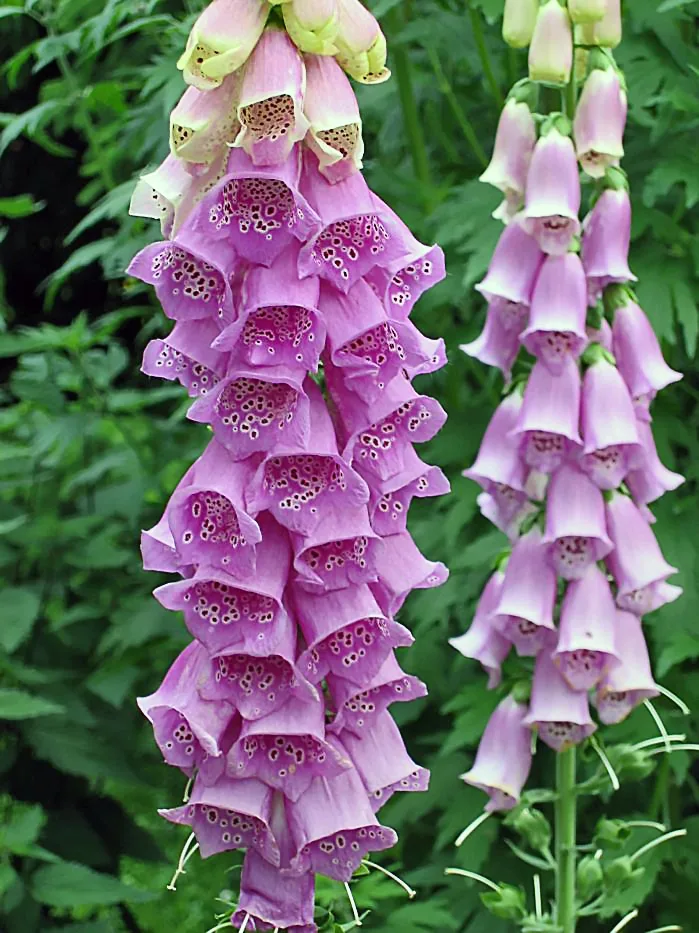
Distribution of common foxglove
Distribution map
Western Europe
Information to be completed
Culture
Information to be completed
Toxicity
TOXIC if eaten. Wear gloves and other protective equipment when handling
Quick identification of common foxglove
Information to be completed
common foxglove care guide
- Moderate regular watering, allowing brief slight drying between soakings
- Watering
- Full sun · Partial shade
- Sunlight
- 15 – 25 °C
- Ideal temperature

Watering
Moderate regular watering, allowing brief slight drying between soakings
Fertilizing
 Fertilizing
Balanced perennial feed every four weeks from spring through summer
Pruning
 Pruning
Cut back after flowering
Propagation
 Propagation
Propagate by seed sown in-situ in late spring. Alternatively sow in seed trays in late spring and plant out to final position in late summer
Growing
 Growing
Grow in almost any soil,but avoid very wet or very dry situations. Prefers a humus-rich soil in partial shade but will grow in full sun. Deadhead after flowering to avoid problems with excess numbers of seedlings.
People also ask
Information to be completed
Common pests and diseases
Diseases
May be susceptible to powdery mildews, downy mildews and leaf spot
Pests
May be susceptible to aphids and leaf and bud eelworm
Explore the plant health library →




