
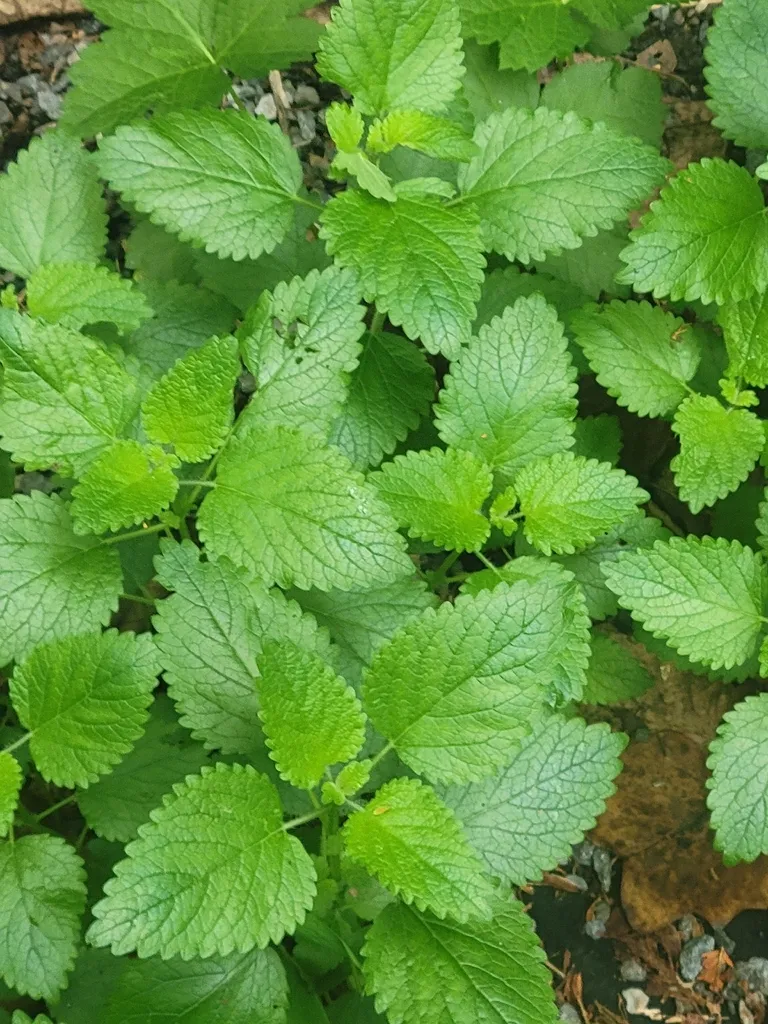



lemon balm

lemon balm · Sunlight

lemon balm · Melissa officinalis
Also known as: balm; balm leaf; balm oil plant; barm leaf; bee balm; dropsywort; honey plant; pimentary; sweet balm; sweet Mary; tea balm

Lemon balm thrives in well-drained soil and requires regular watering, though it is important not to overwater. As a special care point, lemon balm benefits from frequent harvesting or pruning to encourage bushier growth. It's adaptable to partial shade but prefers full sun exposure for optimal growth and flavor development.

Watering: Moderate regular watering, avoid prolonged drought and stagnant waterloggingSunlight: Full sun · Partial shadeInformation to be completed

What Are the Sunlight Requirements for lemon balm?

Lemon balm flourishes best under full sunlight, which enables robust growth and ideal health. This plant generally thrives with ample light exposure, requiring multiple hours of direct sunlight to favor the development of its fragrant leaves and contribute to its potency. However, lemon balm also exhibits good tolerance to partial sun, adeptly adapting to less intense light without significant detriment. In less than optimal light, its growth might be less vigorous, and the leaves may not reach their full aromatic potential. Outdoors, lemon balm should be positioned to receive the most light possible, especially in garden spaces that are bathed in sunlight for the greater part of the day. Despite its resilience to variances in light, ensuring lemon balm receives sufficient bright conditions is conducive to its thriving presence.

PlantCare

Your Ultimate Guide to Plants

Identify, grow and nurture the better way!

PlantCare plant identification and care illustration
PlantCare

Botanist in your pocket

Scan to download PlantCareDownload on the App Store

Scan the QR code with your phone camera to download the app