



What Are the Sunlight Requirements for common ivy?
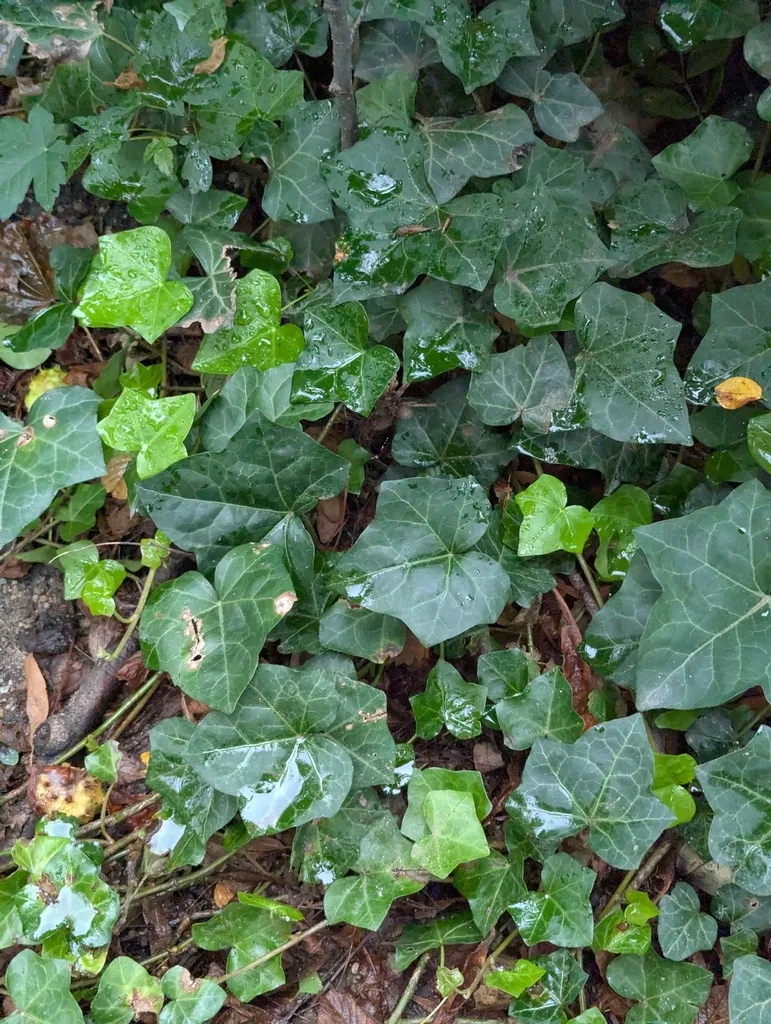
English ivy thrives in partial sun, which entails dappled or indirect light for optimal growth. It is remarkably adaptable, tolerating both full sun and full shade, although extreme conditions can affect its health. In full sun, english ivy's leaves may become scorched, while in deep shade, growth may be less vigorous. Its leaves can adjust to varying light exposures, becoming darker in more intense light to protect from sun damage. When grown outdoors, english ivy is best planted in locations that mimic its natural woodland habitat, offering filtered light. English ivy can also be a robust indoor plant, preferring bright, indirect light inside.