
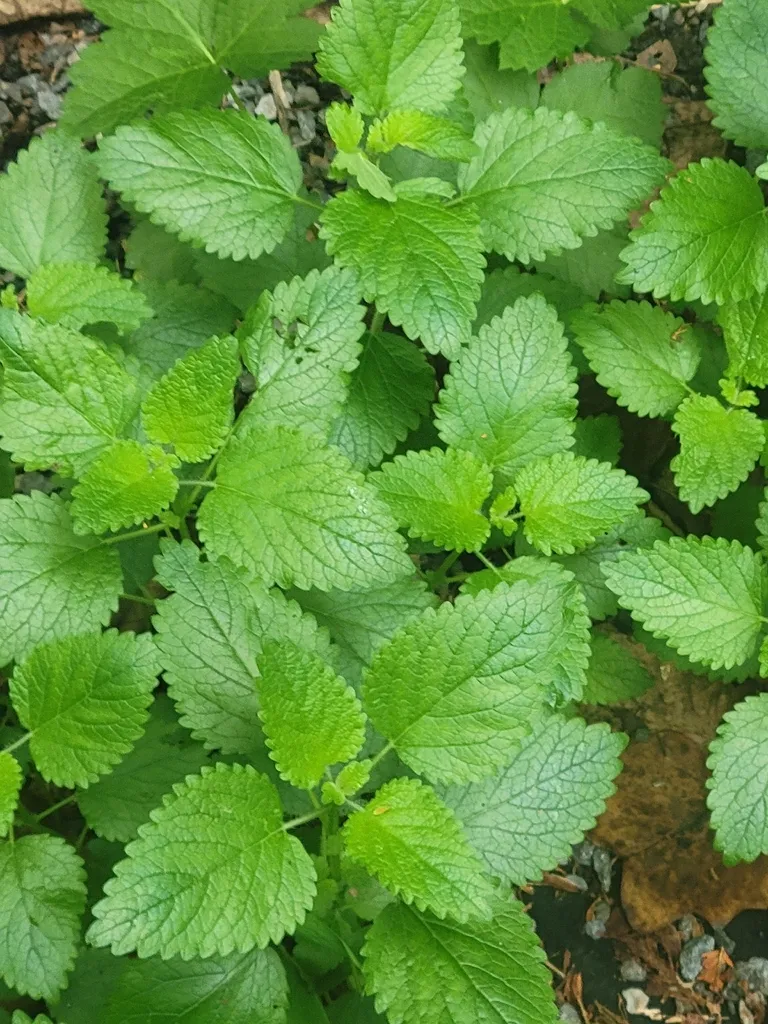



lemon balm

lemon balm · Temperature

lemon balm · Melissa officinalis
Also known as: balm; balm leaf; balm oil plant; barm leaf; bee balm; dropsywort; honey plant; pimentary; sweet balm; sweet Mary; tea balm

Lemon balm thrives in well-drained soil and requires regular watering, though it is important not to overwater. As a special care point, lemon balm benefits from frequent harvesting or pruning to encourage bushier growth. It's adaptable to partial shade but prefers full sun exposure for optimal growth and flavor development.

Watering: Moderate regular watering, avoid prolonged drought and stagnant waterloggingSunlight: Full sun · Partial shadeInformation to be completed

What Is the Ideal Temperature Range for lemon balm?

Lemon balm is a resilient plant capable of enduring considerable temperature variations. It can withstand cold down to 0°C (32°F) and heat up to 38°C (100°F). This tolerance necessitates minimal protective measures during mild extremes but requires shielding from frost and excessive heat. In extreme cold, lemon balm may exhibit stunted growth and wilting, while in severe heat, it may show signs of leaf scorch and dehydration. To counteract overcooling, cover or bring indoors, and for overheating, provide shade and adequate water. These characteristics make lemon balm suitable for a range of environments, provided these care measures are in place.

PlantCare

Your Ultimate Guide to Plants

Identify, grow and nurture the better way!

PlantCare plant identification and care illustration
PlantCare

Botanist in your pocket

Scan to download PlantCareDownload on the App Store

Scan the QR code with your phone camera to download the app