
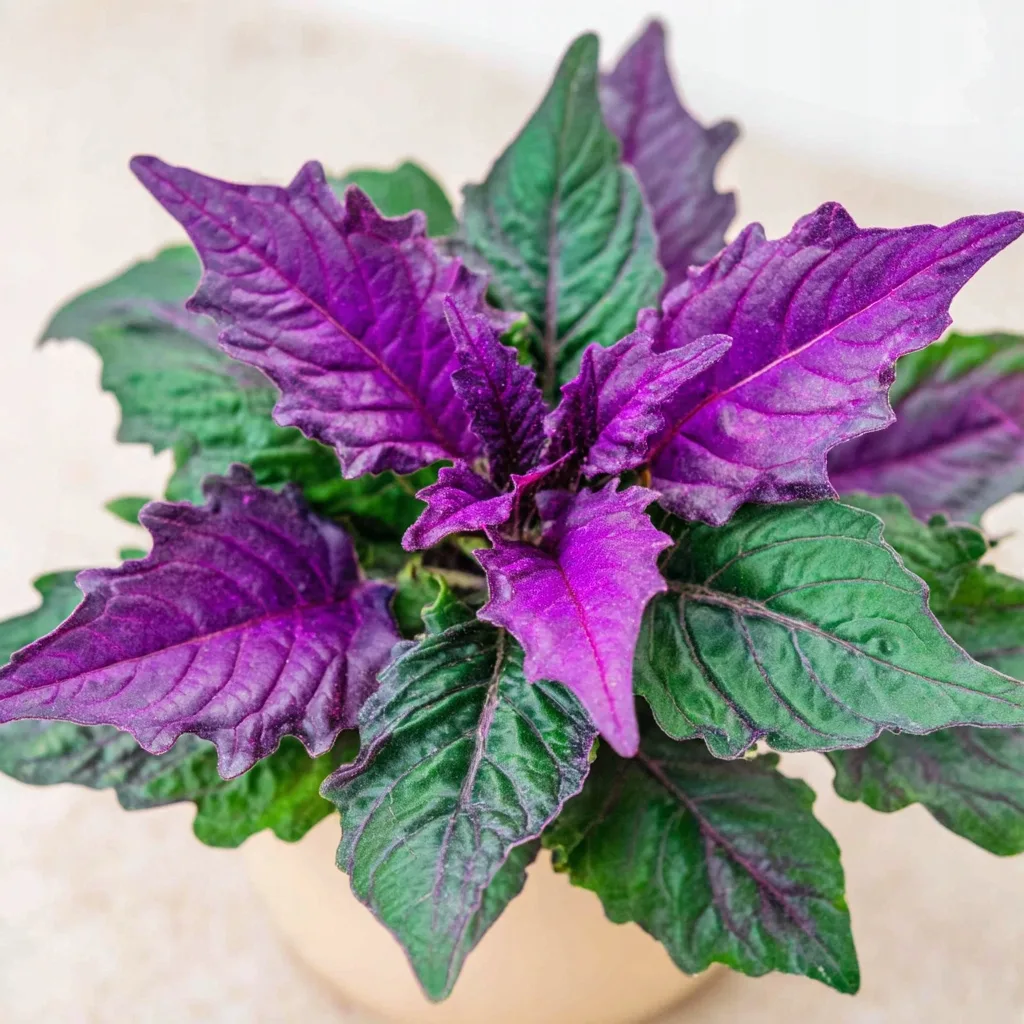



purple velvet plant

purple velvet plant · Temperature

purple velvet plant · Gynura aurantiaca
Also known as: royal velvet plant; velvet plant

Velvet plant is known for its velvety leaves and vibrant colors, making it a popular houseplant. Key care points include providing bright indirect light and ensuring high humidity, which can be challenging in dry environments. Overwatering should be avoided, as velvet plant prefers the soil to be slightly moist but not saturated. Special attention should be given to dusting the leaves to maintain the plant's distinctive purple fuzz.

Watering: Moderate regular watering, avoid prolonged drought or waterloggingSunlight: Partial shadeInformation to be completed

What Is the Ideal Temperature Range for purple velvet plant?

Velvet plant demonstrates noticeable resilience to temperature variations, tolerating cold down to 0℃ (32℉) and heat up to 43℃ (109℉). However, velvet plant prefers steady conditions and may exhibit stress if exposed to prolonged cold or heat. Symptoms of cold stress include leaf yellowing and wilting, while excessive heat can cause leaf scorching and dehydration. To care for velvet plant, avoid placing it in drafty or extremely hot areas. Use protective measures like shading or insulation during extreme weather to maintain its health. Adapting to such temperature variations, velvet plant is suitable for temperate and warm environments, with proper care ensuring its vibrant growth.

PlantCare

Your Ultimate Guide to Plants

Identify, grow and nurture the better way!

PlantCare plant identification and care illustration
PlantCare

Botanist in your pocket

Scan to download PlantCareDownload on the App Store

Scan the QR code with your phone camera to download the app