
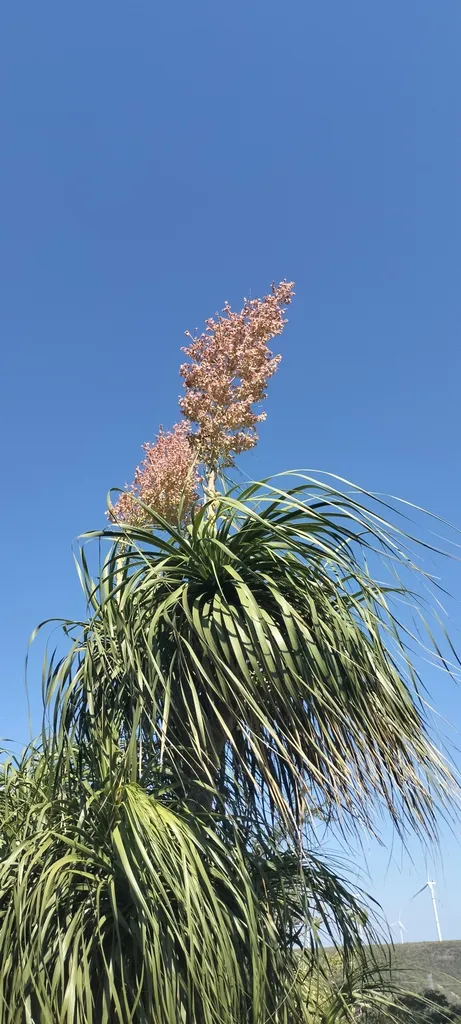



elephant's foot

elephant's foot · Temperature

elephant's foot · Beaucarnea recurvata
Also known as: pony tail; bottle palm; elephant foot tree

Ponytail palm thrives on minimal care, making it an ideal choice for those seeking an undemanding houseplant. It requires infrequent watering, only when the soil is completely dry, due to its ability to store water in its swollen base. Bright light is essential, although ponytail palm can tolerate some degree of shade. Avoid overwatering as this can lead to root rot, which is the primary challenge when caring for ponytail palm.

Watering: Moderate regular watering, allowing brief slight drying between soakingsSunlight: Full sunInformation to be completed

What Is the Ideal Temperature Range for elephant's foot?

Ponytail palm exhibits a remarkable tolerance to temperature extremes, enduring cold down to 0℃ (32℉) and heat up to 45℃ (113℉). This adaptability means ponytail palm can withstand a range of climates, but it requires special care during extreme conditions. In cold weather, ponytail palm may suffer leaf damage or root stress; in excessive heat, wilting or browning tips may occur. Protective measures—such as moving the plant indoors during frost or providing shade during intense heat—are vital. Symptoms of stress like frost damage or heat-induced wilting necessitate immediate countermeasures, including adjusting the environment and ensuring adequate hydration.

PlantCare

Your Ultimate Guide to Plants

Identify, grow and nurture the better way!

PlantCare plant identification and care illustration
PlantCare

Botanist in your pocket

Scan to download PlantCareDownload on the App Store

Scan the QR code with your phone camera to download the app