
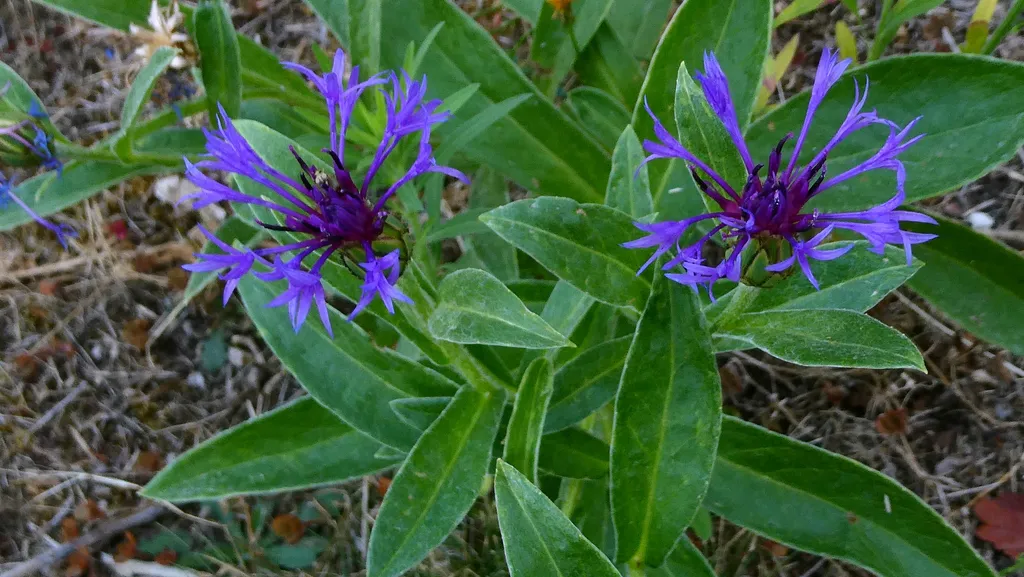



perennial cornflower

perennial cornflower · Temperature

perennial cornflower · Centaurea montana
Also known as: great blue-bottle; mountain bluet; mountain centaury

Perennial cornflower is known for its resilience and low-maintenance nature, making it a favored choice for gardeners seeking easy-care perennials. The plant thrives in full sun to partial shade and requires well-drained soil. Special care points include deadheading spent flowers to promote further blooming and dividing the clumps every few years to maintain vigor and prevent overcrowding.

Watering: Moderate regular watering, allowing brief slight drying between soakingsSunlight: Full sun · Partial shadeInformation to be completed

What Is the Ideal Temperature Range for perennial cornflower?

Perennial cornflower displays notable resilience to temperature fluctuations, tolerating a range from 0℃ (32℉) to 38℃ (100℉). Its adaptability to cold makes it suitable for cooler climates without the need for extensive protective measures. However, during extreme heat, it may require additional watering and shading to prevent wilting or leaf scorching. Symptoms of distress in cold include leaf discoloration and stunted growth, while in excessive heat, it may display drooping leaves and impaired blooming. Countermeasures for overcooling include mulching and frost cloths, while overheating can be mitigated with adequate irrigation and partial shade placement. This flexibility facilitates perennial cornflower's integration into diverse garden environments.

PlantCare

Your Ultimate Guide to Plants

Identify, grow and nurture the better way!

PlantCare plant identification and care illustration
PlantCare

Botanist in your pocket

Scan to download PlantCareDownload on the App Store

Scan the QR code with your phone camera to download the app