
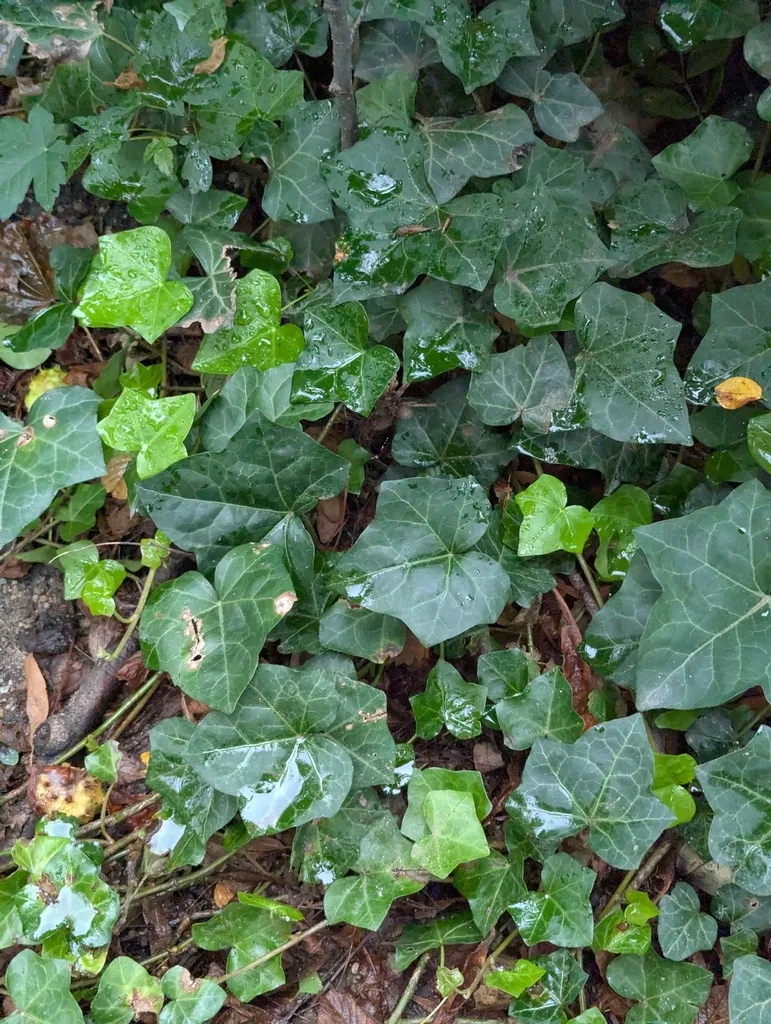



What Is the Ideal Temperature Range for common ivy?

English ivy demonstrates notable resilience to temperature fluctuations. Tolerating cold up to -10℃ (14℉) and heat up to 43℃ (109℉), it can endure a broad range of environmental extremes. This versatility necessitates protective measures during severe conditions; for instance, mulching in frigid weather or providing shade and adequate water during scorching heatwaves. Symptoms of distress under extreme cold include leaf browning and wilting, while excessive heat can cause leaf scorch and dehydration. Countermeasures involve relocating the plant indoors during freezing temperatures and ensuring adequate hydration and shading during extreme heat to maintain its health and vibrancy.