
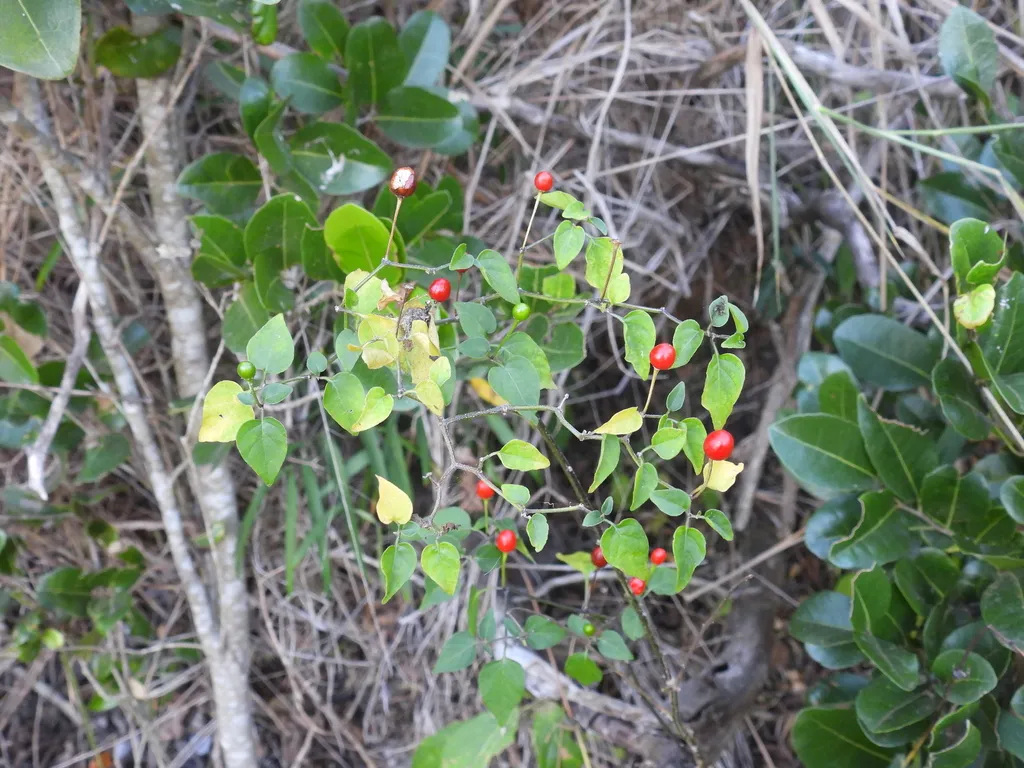



What Is the Ideal Temperature Range for bell pepper?

Pepper enjoys a high-temperature habitat and is widely planted in temperate and tropical zones. The plant generally grows in environments with temperatures above 5 ℃. The optimum temperature for its growth is 15 to 25 ℃. When the temperature is lower than 15 ℃, its growth and development stop, and when the temperature is above 35 ℃, germination and pollination are affected, leading to fruit deformation or yield decrease. Generally speaking, bell peppers are more sensitive to temperature than chili peppers, so they are more easily affected by hot weather. Pepper has some drought tolerance, but there is a great difference among the varieties. In general, varieties with small fruits are more drought-tolerant than those with large fruits. The plant requires sufficient water in its soil, but should not be watered too much. Too much water will cause root rot. Its preferred air humidity for growth is 60-80%. If the air is excessively dry, it should be humidified by spraying water.