
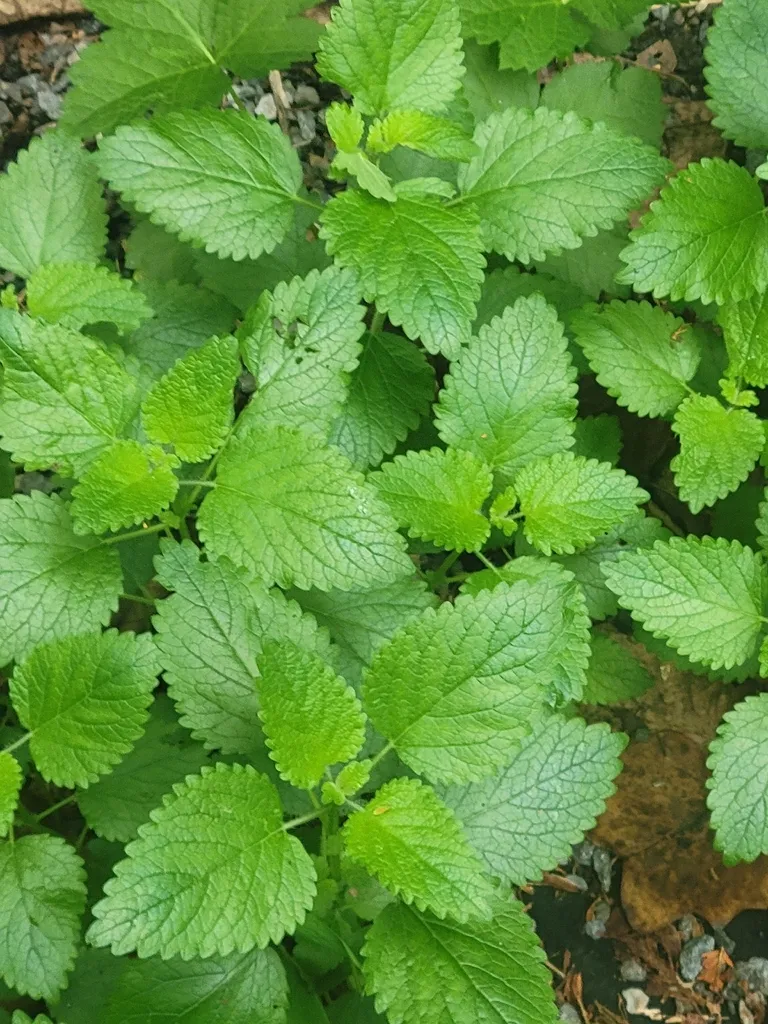



lemon balm

lemon balm · Watering

lemon balm · Melissa officinalis
Also known as: balm; balm leaf; balm oil plant; barm leaf; bee balm; dropsywort; honey plant; pimentary; sweet balm; sweet Mary; tea balm

Lemon balm thrives in well-drained soil and requires regular watering, though it is important not to overwater. As a special care point, lemon balm benefits from frequent harvesting or pruning to encourage bushier growth. It's adaptable to partial shade but prefers full sun exposure for optimal growth and flavor development.

Watering: Moderate regular watering, avoid prolonged drought and stagnant waterloggingSunlight: Full sun · Partial shadeInformation to be completed

How to Water lemon balm?

Native to the Mediterranean region, lemon balm thrives in moist soil conditions and exhibits a preference for consistent moisture, akin to its origins. This herbaceous perennial is moderately drought-tolerant but favors a stable water supply, reflecting its habitat's balance between dry spells and periodic rains. For optimal growth, lemon balm should receive watering every week. Cultivated primarily outdoors due to its aromatic leaves and attraction to pollinators, lemon balm benefits significantly from mulching which helps retain soil moisture and reduces the need for frequent watering.

PlantCare

Your Ultimate Guide to Plants

Identify, grow and nurture the better way!

PlantCare plant identification and care illustration
PlantCare

Botanist in your pocket

Scan to download PlantCareDownload on the App Store

Scan the QR code with your phone camera to download the app