
spinach
Also known as: common garden spinach; winter spinach
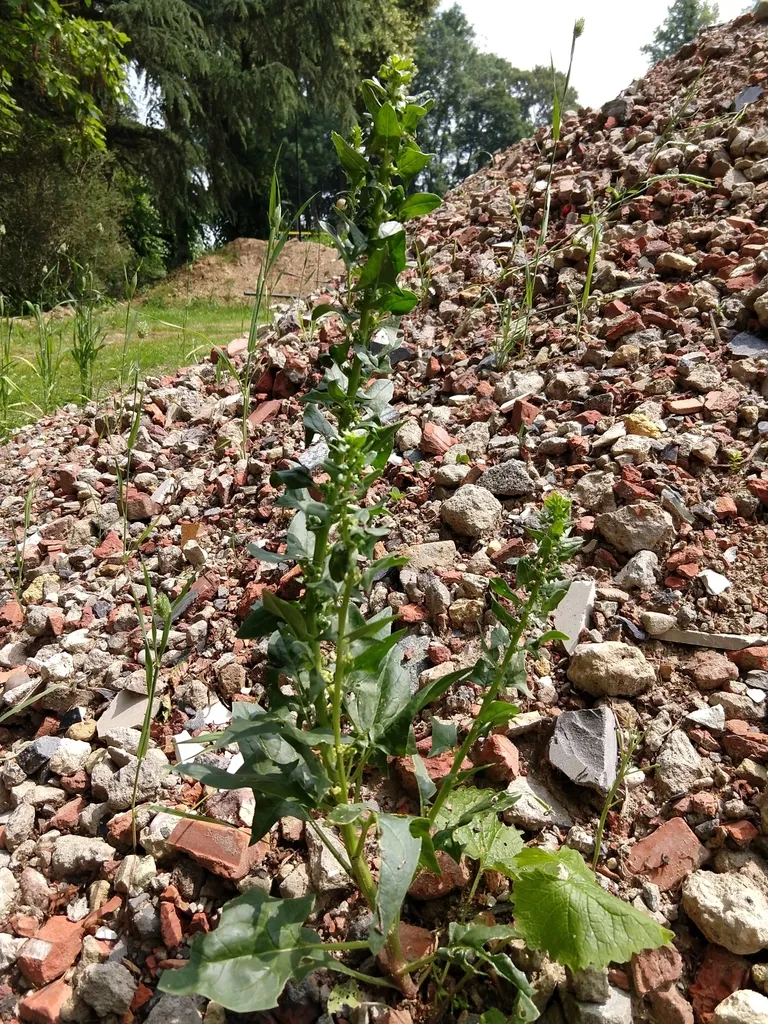
Spinach is a leafy green annual herb approximately 30cm tall, producing generous harvests of deep-green, crinkled, oval to triangular leaves with a beautiful rich, savoury flavour. The leaves vary in size and flavour, and can be eaten raw or cooked. If left to flower, the yellow-green flowers are inconspicuous and around 3mm
Scientific classification
- Species
- spinach (Spinacia oleracea)
- Genus
- Spinacia
- Family
- Amaranthaceae
- Information to be completed
- Toxicity
- Annual Biennial
- Plant type
- 0.1-0.5 metres
- Height
- 0.1-0.5 metres
- Spread
- Deciduous
- Foliage
- Clump forming
- Habit
- Spring · Summer · Autumn · Winter
- Season of interest
- Full sun · Partial shade
- Sunlight
- 10 – 20 °C
- Ideal temperature









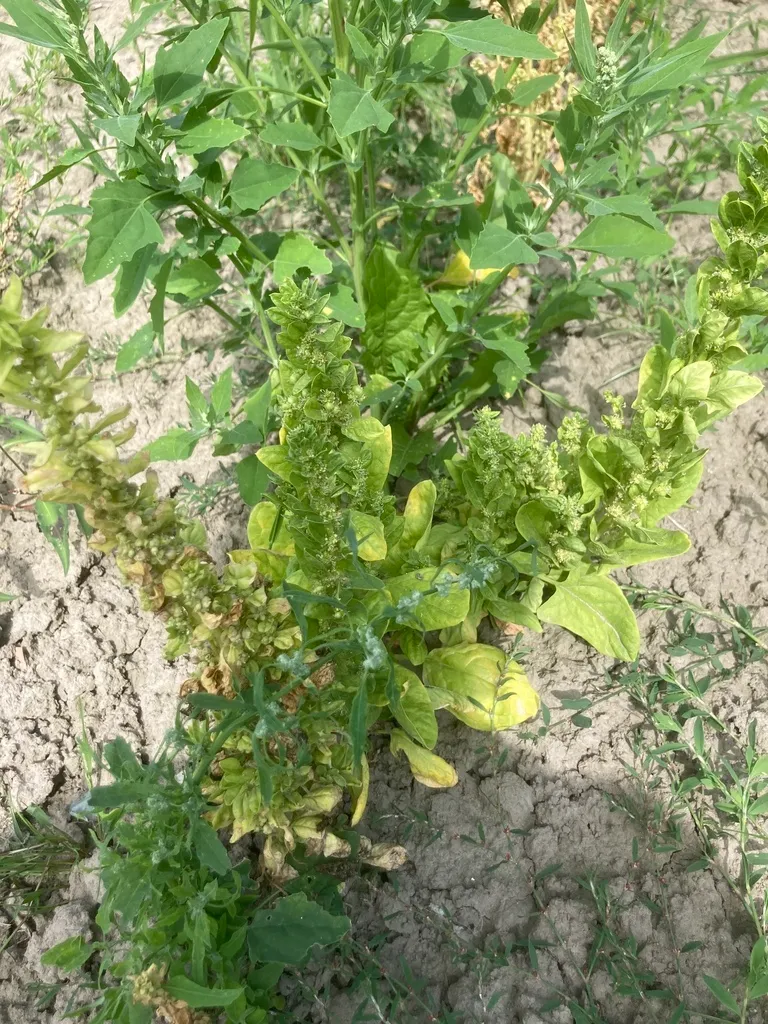
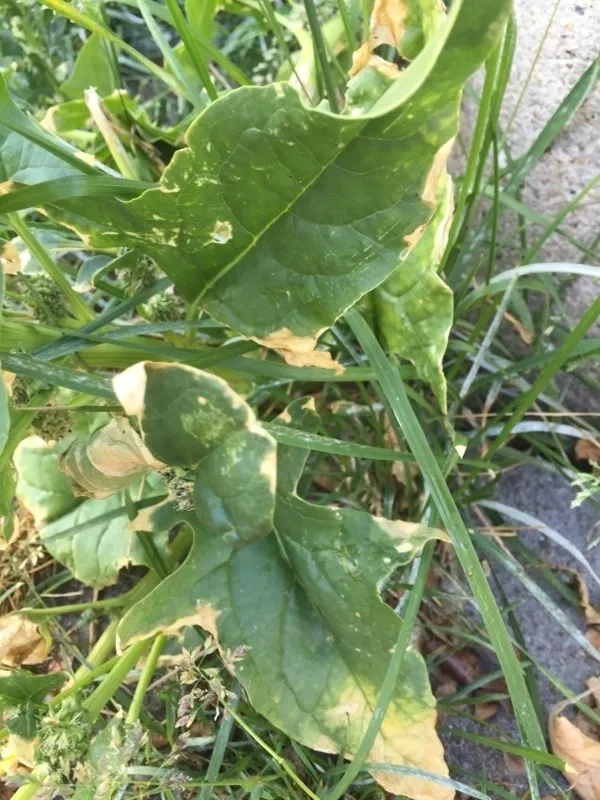
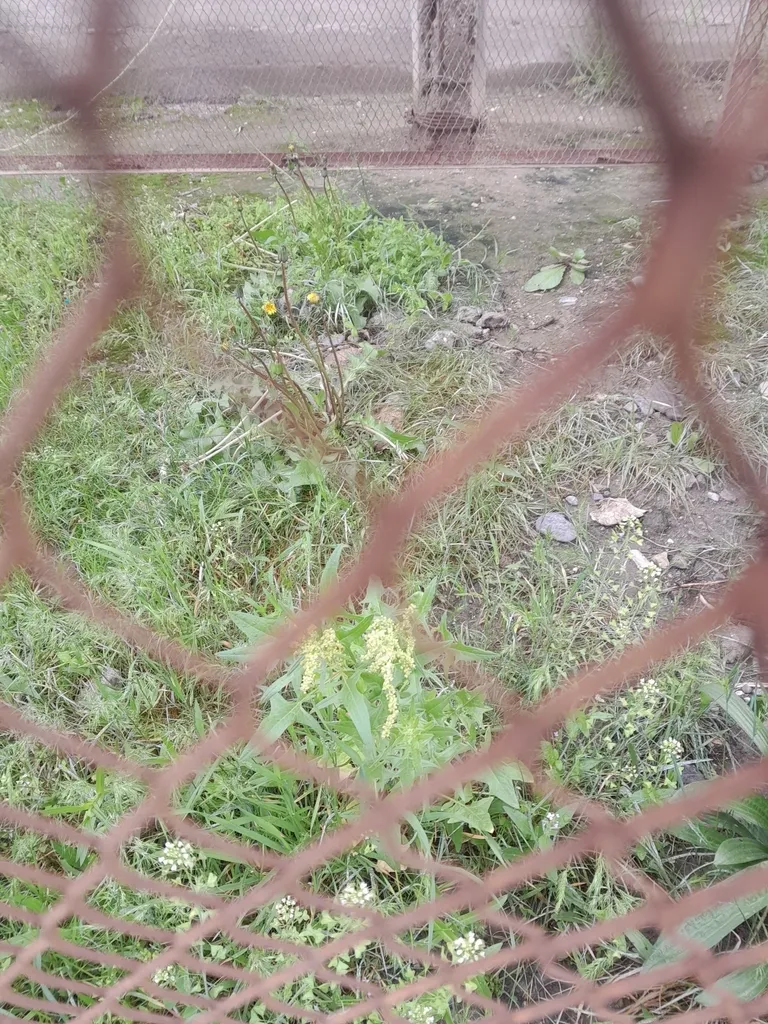
spinach pictures
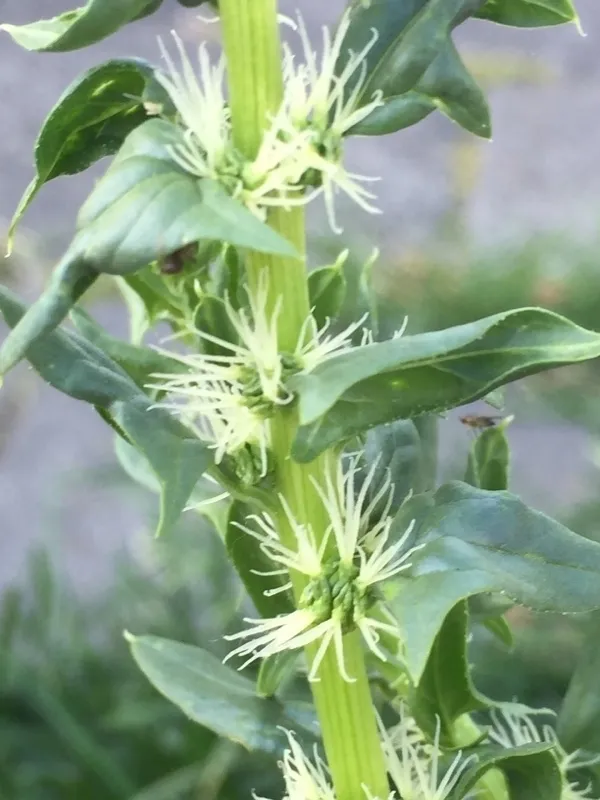
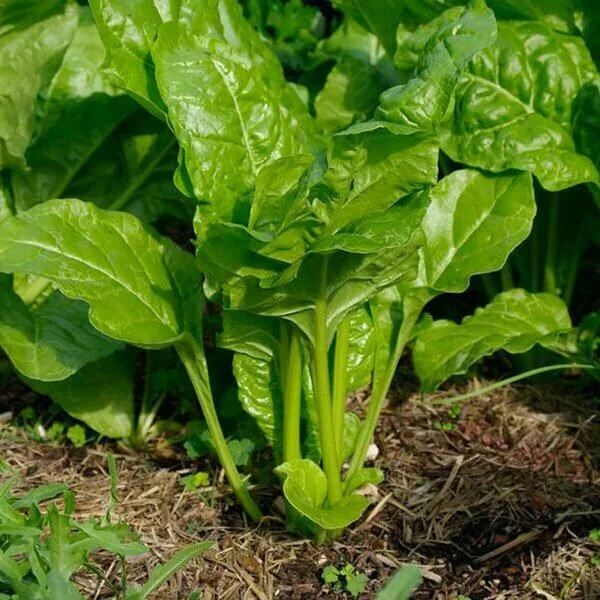
Distribution of spinach
Distribution map
Central and Western Asia
Information to be completed
Culture
Information to be completed
Toxicity
Information to be completed
Quick identification of spinach
Information to be completed
spinach care guide
- Moderate regular watering, allowing brief slight drying between soakings
- Watering
- Full sun · Partial shade
- Sunlight
- 10 – 20 °C
- Ideal temperature

Watering
Moderate regular watering, allowing brief slight drying between soakings
Fertilizing
 Fertilizing
Balanced perennial feed every four weeks from spring through summer
Pruning
 Pruning
No pruning required
Propagation
 Propagation
Propagate by seed. See sowing vegetable seeds
Growing
 Growing
Does best on fertile soil rich in organic matter with a steady moisture supply. Winter crops need a sunny position, summer crops benefit from a little shade. Sow from February (under fleece or cloches) to the end of May. See spinach cultivation
People also ask
Information to be completed
Common pests and diseases
Diseases
May be susceptible to spinach downy mildew
Pests
Generally pest-free but may be susceptible to damage by slugs and pigeons
Explore the plant health library →




