
common radish
Also known as: cultivated radish; garden radish; rabone
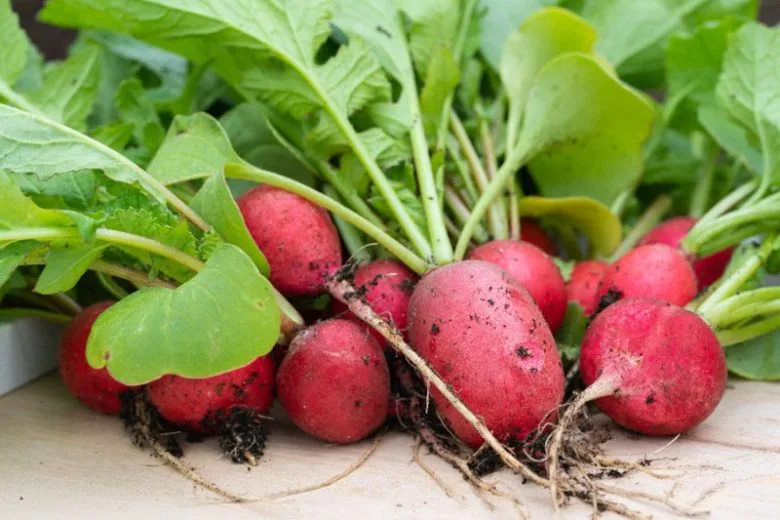
This is the wild variety from which all edible radishes have been bred. They come in many shapes, sizes and colours; from small globes to long, tapering torpedoes, in shades of red, pink, white, yellow and purple-skinned. If left to flower, the flowers are four-petalled pale yellow or cream on a stem of about 30-40cm
Scientific classification
- Species
- common radish (Raphanus sativus)
- Genus
- Raphanus
- Family
- Brassicaceae
- Information to be completed
- Toxicity
- Annual Biennial
- Plant type
- 0.1-0.5 metres
- Height
- 0.1-0.5 metres
- Spread
- Deciduous
- Foliage
- Columnar upright
- Habit
- Spring · Summer · Autumn
- Season of interest
- Full sun
- Sunlight
- 10 – 20 °C
- Ideal temperature









common radish pictures
Distribution of common radish
Distribution map
Information to be completed
Information to be completed
Culture
Information to be completed
Toxicity
Information to be completed
Quick identification of common radish
Information to be completed
common radish care guide
- Keep soil evenly moist
- Watering
- Full sun
- Sunlight
- 10 – 20 °C
- Ideal temperature

Watering
Keep soil evenly moist
Fertilizing
 Fertilizing
Every two weeks during growing season
Pruning
 Pruning
No pruning required
Propagation
 Propagation
Propagate by seed. See sowing vegetable seeds
Growing
 Growing
Grow in any moisture-retentive soil as long as it isn't too acidic, in full sun. For more advice see radish cultivation
People also ask
Information to be completed
Common pests and diseases
Diseases
May be susceptible to brassica downy mildew
Pests
May be susceptible to slugs and snails, and flea beetles
Explore the plant health library →




