
pineapple
Also known as: ananas; pina
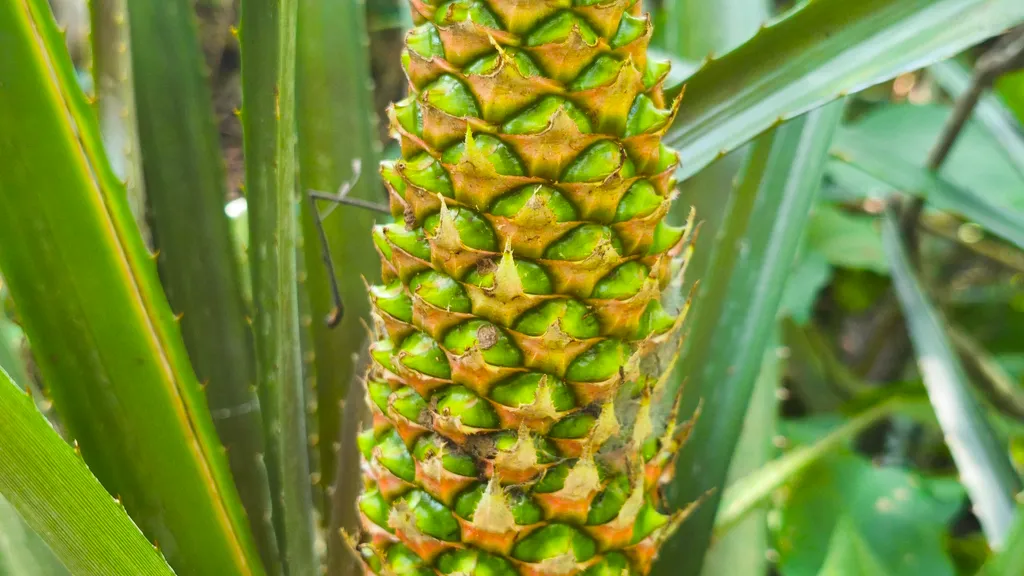
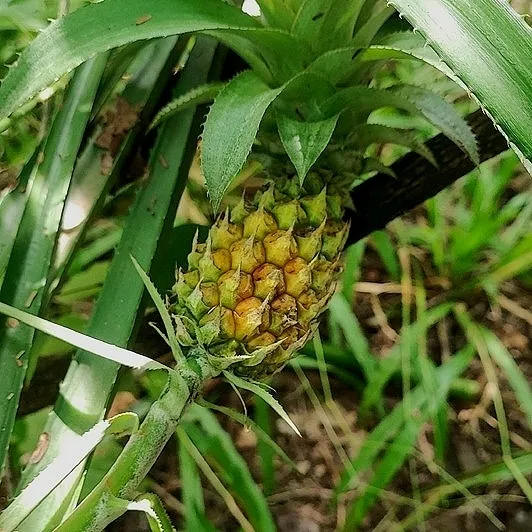
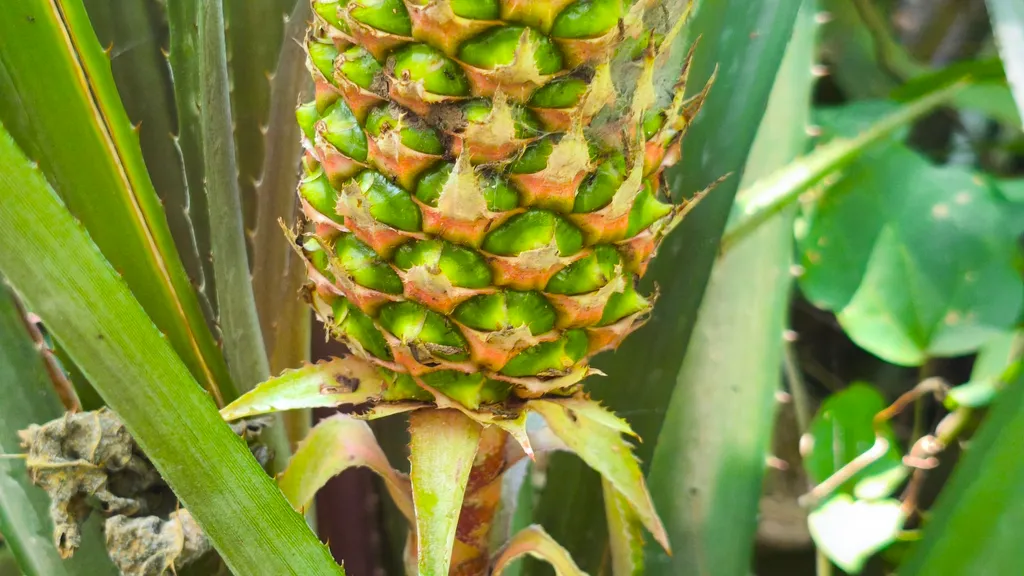
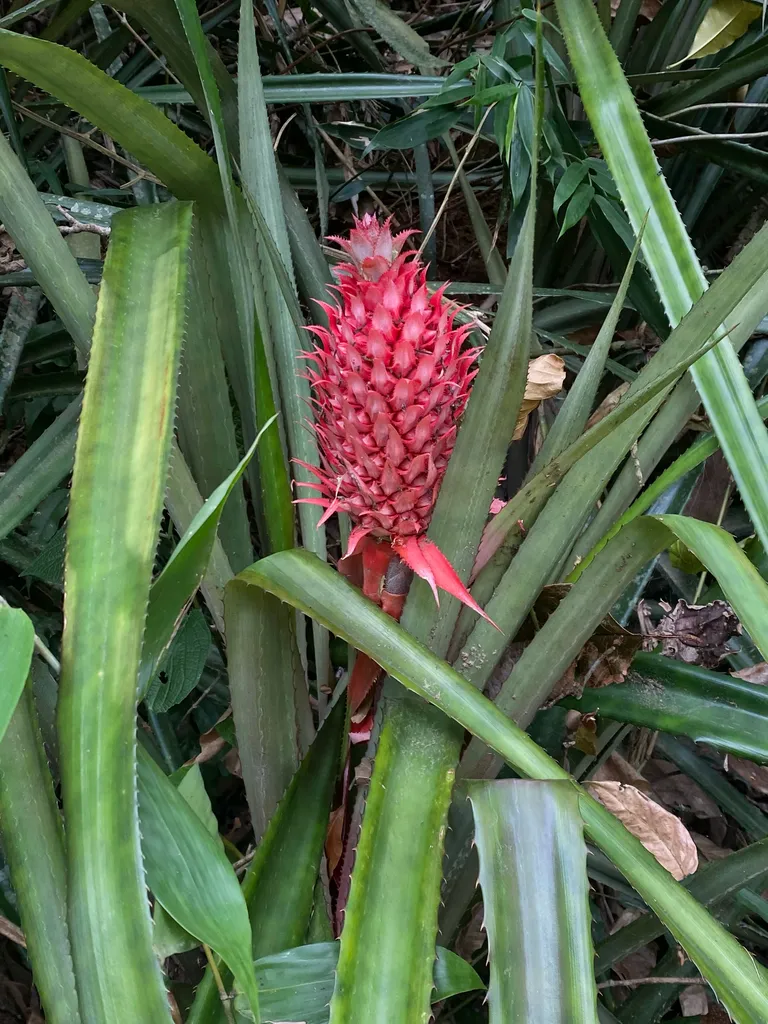
A terrestrial bromeliad with dense rosettes of dark green, lance-shaped, evergreen leaves up to 1m long, with spiny margins. In summer it produces cone-like clusters of purple flowers, with reddish-yellow bracts, followed by bright red, edible pineapples up to 30cm long
Scientific classification
- Species
- pineapple (Ananas comosus)
- Genus
- Ananas
- Family
- Bromeliaceae
- Information to be completed
- Toxicity
- Conservatory Greenhouse
- Plant type
- 0.5-1 metres
- Height
- 0.5-1 metres
- Spread
- Evergreen
- Foliage
- Bushy
- Habit
- Spring · Summer · Autumn · Winter
- Season of interest
- Full sun
- Sunlight
- 20 – 30 °C
- Ideal temperature









pineapple pictures
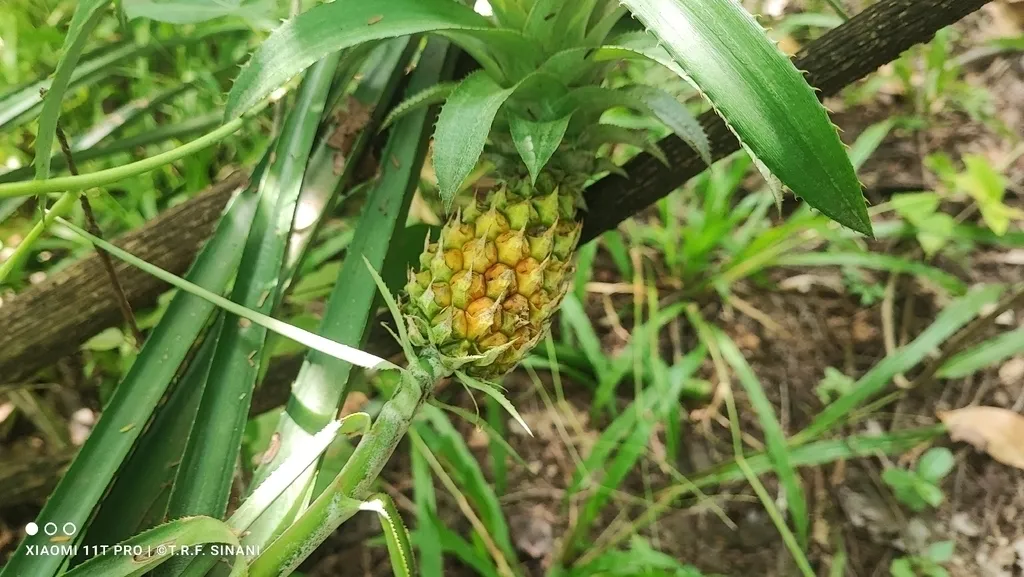
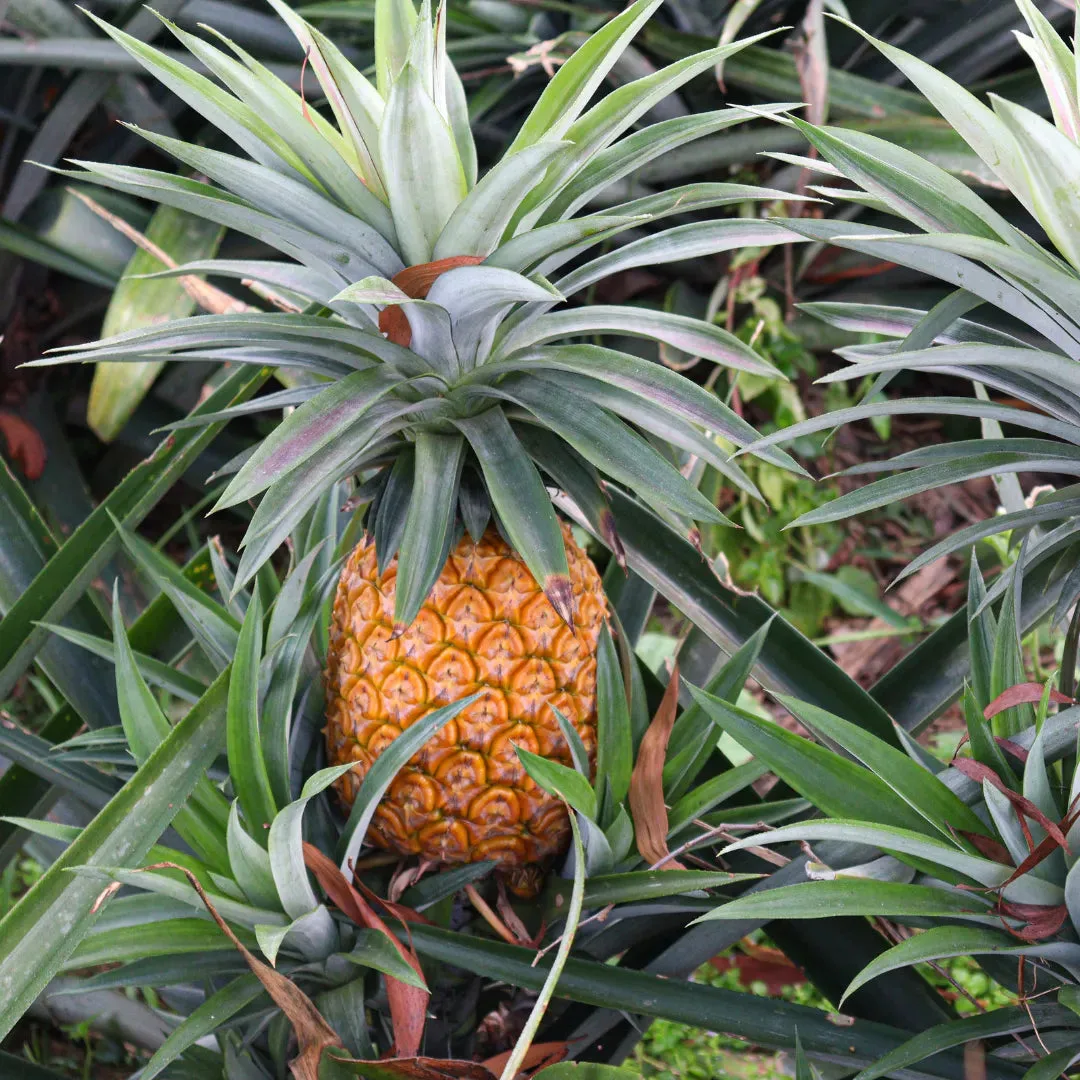
Distribution of pineapple
Distribution map
C and Southern America
Information to be completed
Culture
Information to be completed
Toxicity
Information to be completed
Quick identification of pineapple
Information to be completed
pineapple care guide
- Moderate regular watering, allowing brief slight drying between soakings
- Watering
- Full sun
- Sunlight
- 20 – 30 °C
- Ideal temperature

Watering
Moderate regular watering, allowing brief slight drying between soakings
Fertilizing
 Fertilizing
Balanced perennial feed every four weeks from spring through summer
Pruning
 Pruning
No pruning required
Propagation
 Propagation
Root basal offsets in early summer, or sever the leafy rosette at the top of the fruit, allow it a day or two to callus then root it in a barely-moist mix of peat, or peat substitute, and sand in indirect light at 21°C
Growing
 Growing
Grow in terrestrial bromeliad compost in full light, low to moderately humidity and no draughts. Water freely when growing and flowering, reduce slightly and add a balanced liquid feed weekly when in fruit, keep barely moist at other times. See bromeliad cultivation for further advice
People also ask
Information to be completed
Common pests and diseases
Diseases
Generally disease-free
Pests
May be susceptible to scale insects
Explore the plant health library →




