
Mexican breadfruit plant
Also known as: Information to be completed
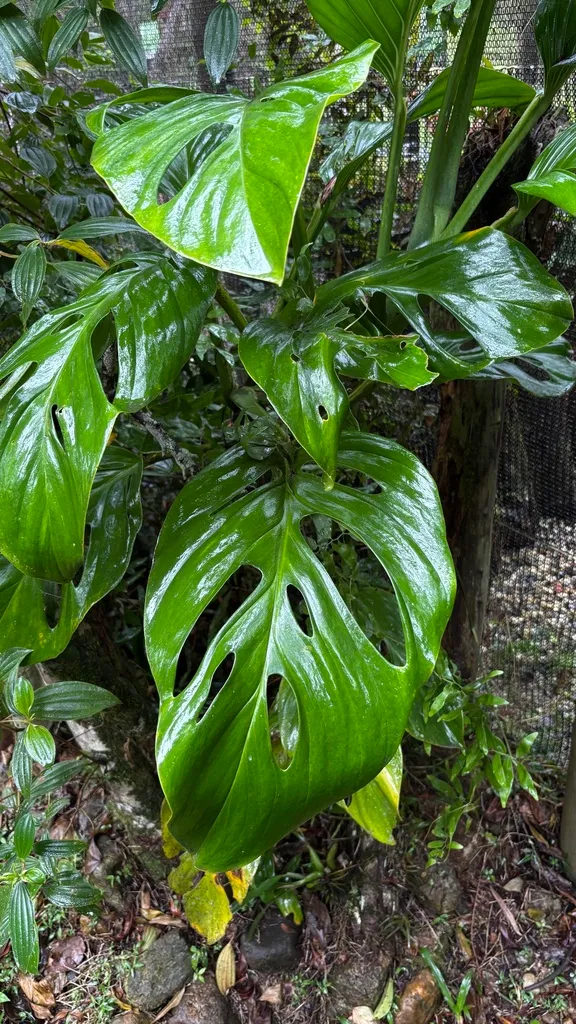
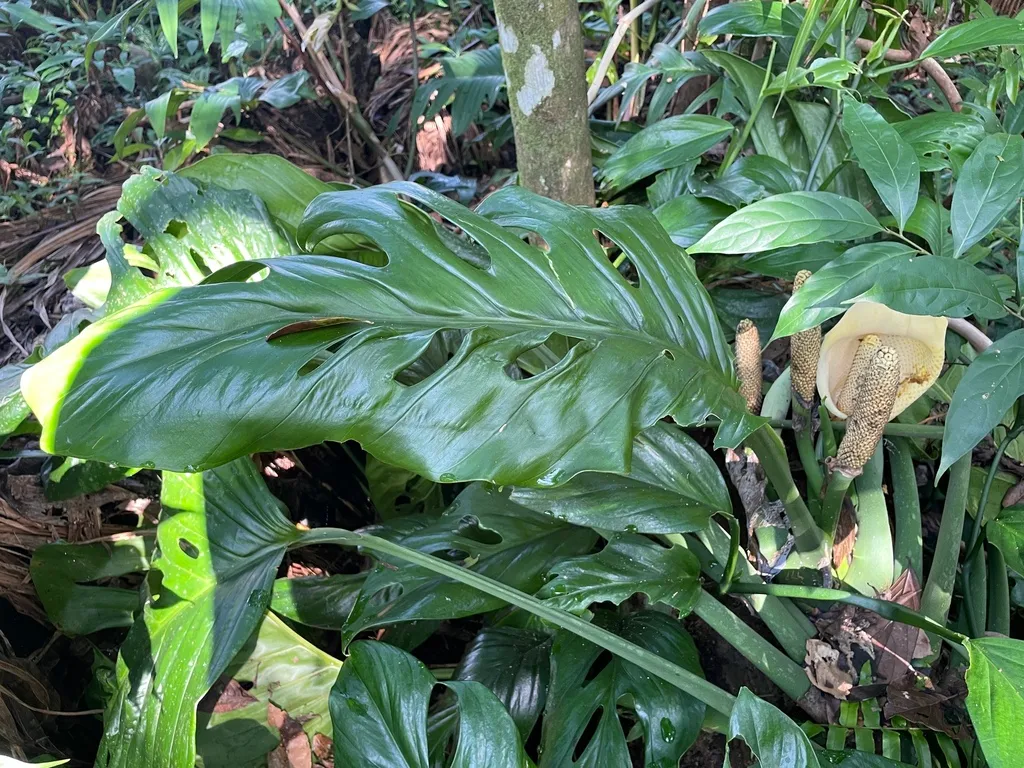
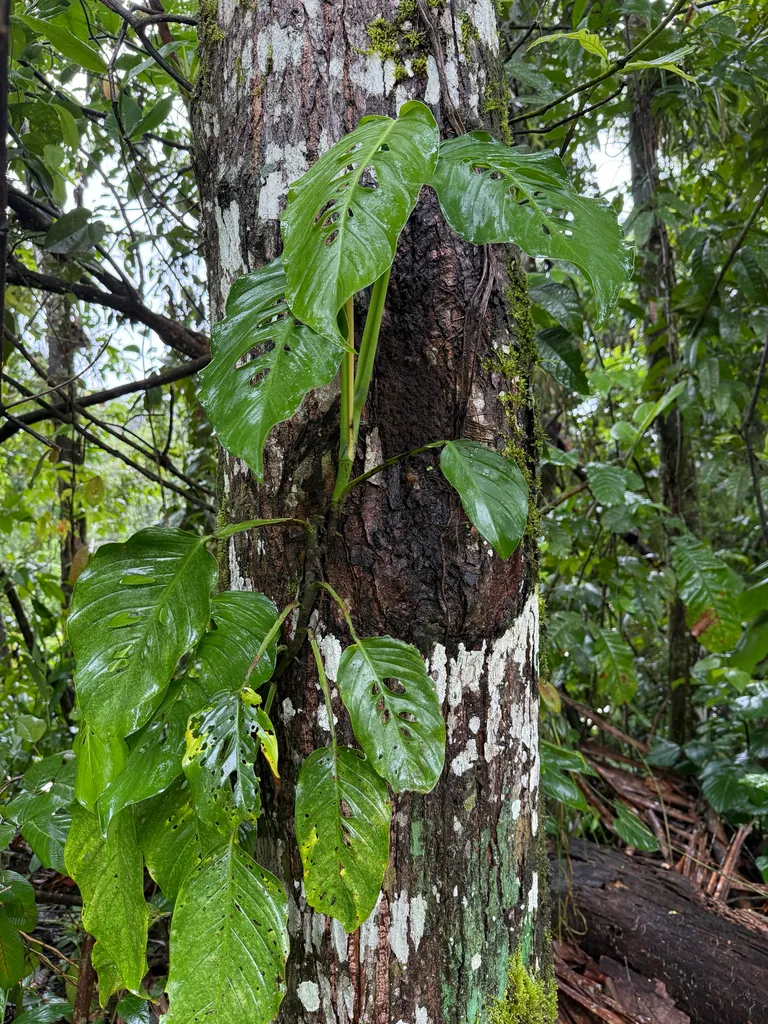
A tender perennial that will either climb (given support) or trail to 2m. The stems produce adventitious roots and heart-shaped leaves with oval holes between the main veins
Scientific classification
- Species
- Mexican breadfruit plant (Monstera adansonii)
- Genus
- Monstera
- Family
- Araceae
- Harmful if eaten, skin/eye irritant. Wear gloves and other protective equipment when handling]
- Toxicity
- Houseplants
- Plant type
- 1.5-2.5 metres
- Height
- 0.5-1 metres
- Spread
- Evergreen
- Foliage
- Climbing · Trailing
- Habit
- Spring · Summer · Autumn · Winter
- Season of interest
- Partial shade
- Sunlight
- 18 – 27 °C
- Ideal temperature









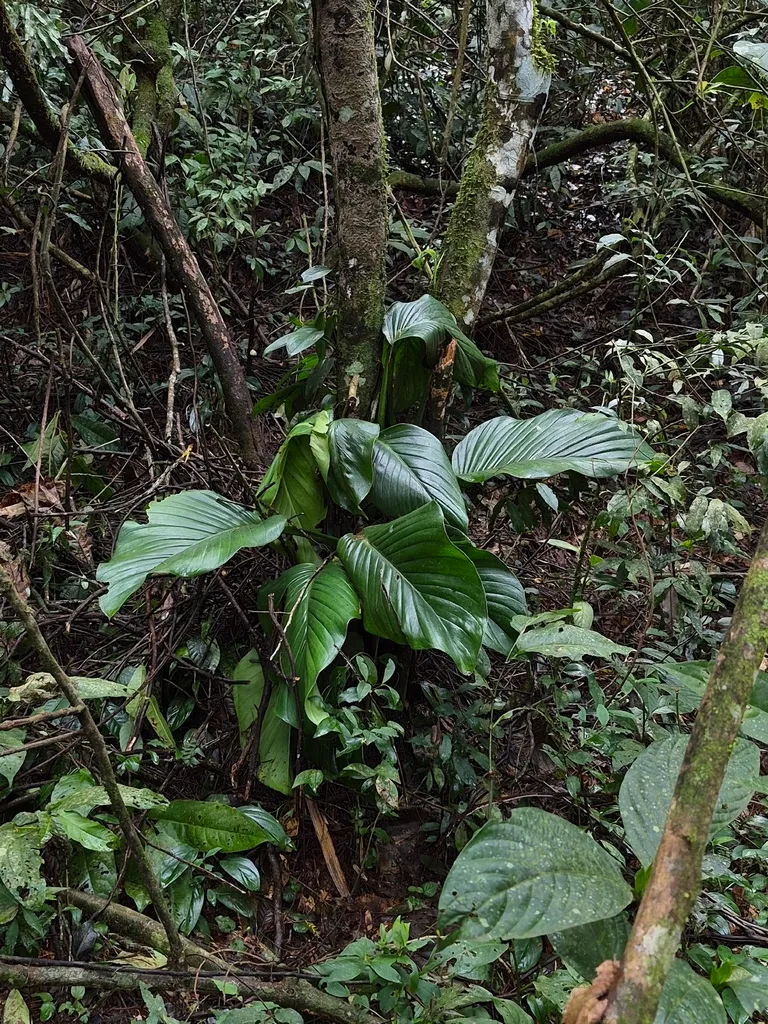
Mexican breadfruit plant pictures
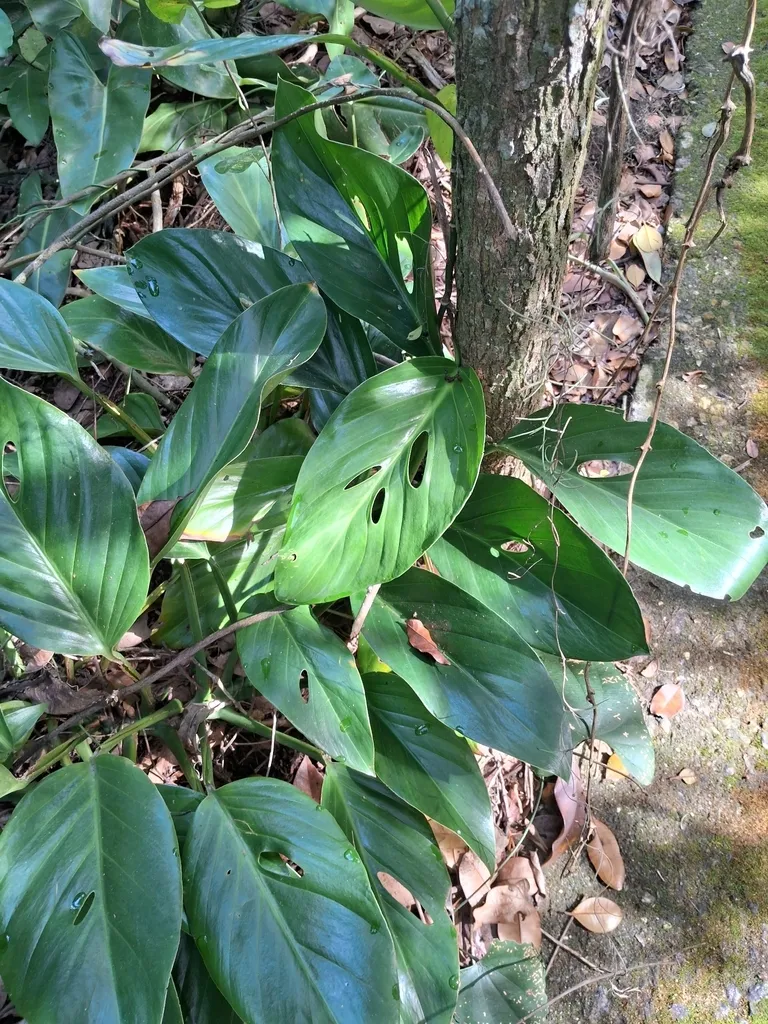
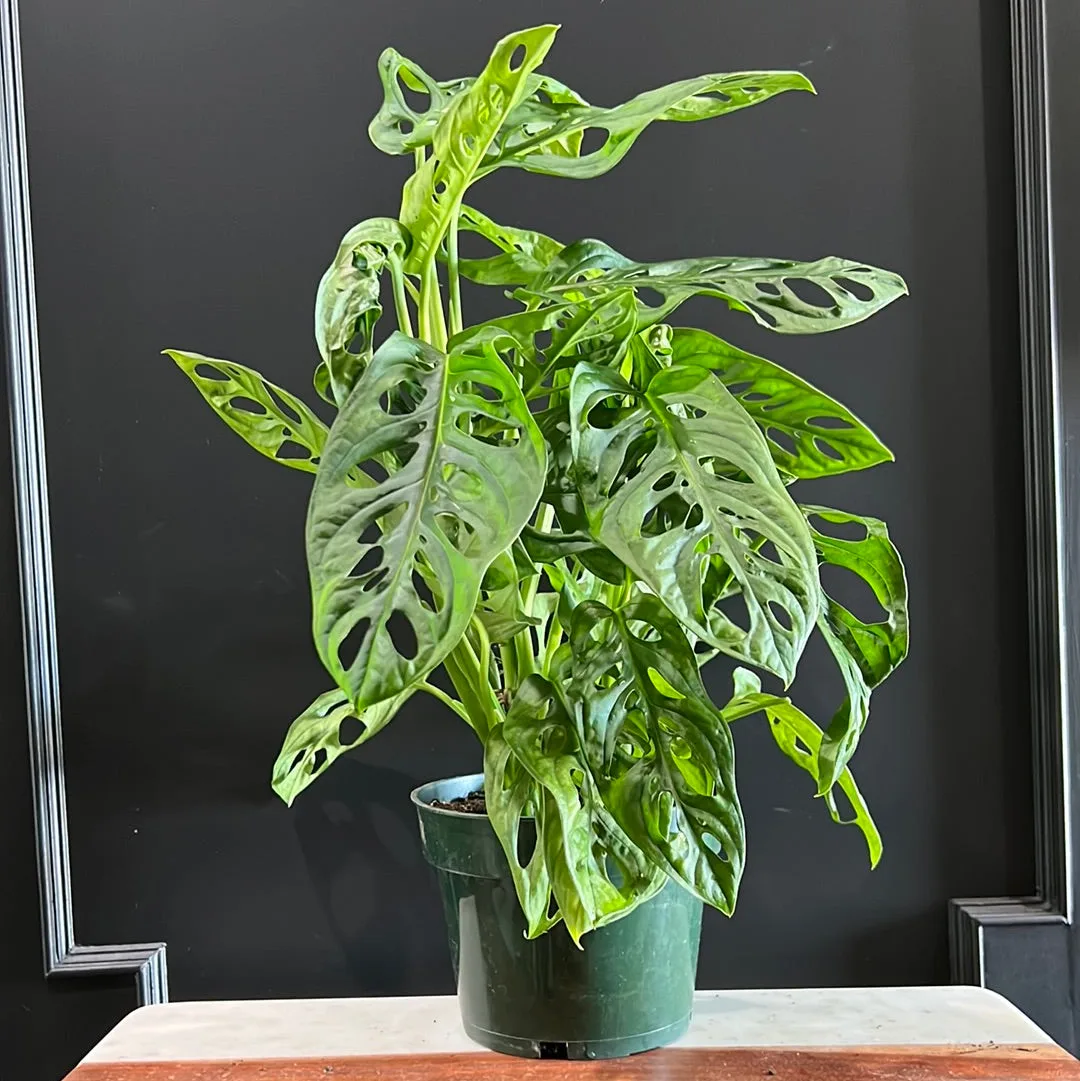
Distribution of Mexican breadfruit plant
Distribution map
Tropical America
Information to be completed
Culture
Information to be completed
Toxicity
Harmful if eaten, skin/eye irritant. Wear gloves and other protective equipment when handling]
Quick identification of Mexican breadfruit plant
Information to be completed
Mexican breadfruit plant care guide
- Water when top inch of soil is dry, keep humidity high
- Watering
- Partial shade
- Sunlight
- 18 – 27 °C
- Ideal temperature

Watering
Water when top inch of soil is dry, keep humidity high
Fertilizing
 Fertilizing
Monthly during growing season
Pruning
 Pruning
Routine pruning is unnecessary; shorten overlong shoots to fit the available space. For last-year flowering growth, prune after flowering; for current-year flowering growth, prune in late winter or spring. This guidance is for established plants.
Propagation
 Propagation
Propagate by sowing seed at 18-24°C as soon as ripe, take tip or leaf cuttings with bottom heat in summer, layer in autumn
Growing
 Growing
Grow in loam-based potting compost in bright, indirect light with moderate to high humidity. In the growing season, water freely and apply a balanced liquid fertiliser monthly; water sparingly in winter. Provide a moss pole or other support if you wish the plant to climb. See houseplant cultivation for further information
People also ask
Information to be completed
Common pests and diseases
Diseases
Generally disease-free
Pests
May be susceptible to scale insects and glasshouse red spider mite
Explore the plant health library →




